
News
Rodalies in crisis: what urgent changes are needed to improve mobility in Barcelona
Mobility in Barcelona is once again at the centre of debate following the progressive deterioration of the Rodalies network, a key system for thousands of people who rely on the train every day. Delays, incidents, and lack of information have made commuting an increasingly unpredictable experience.
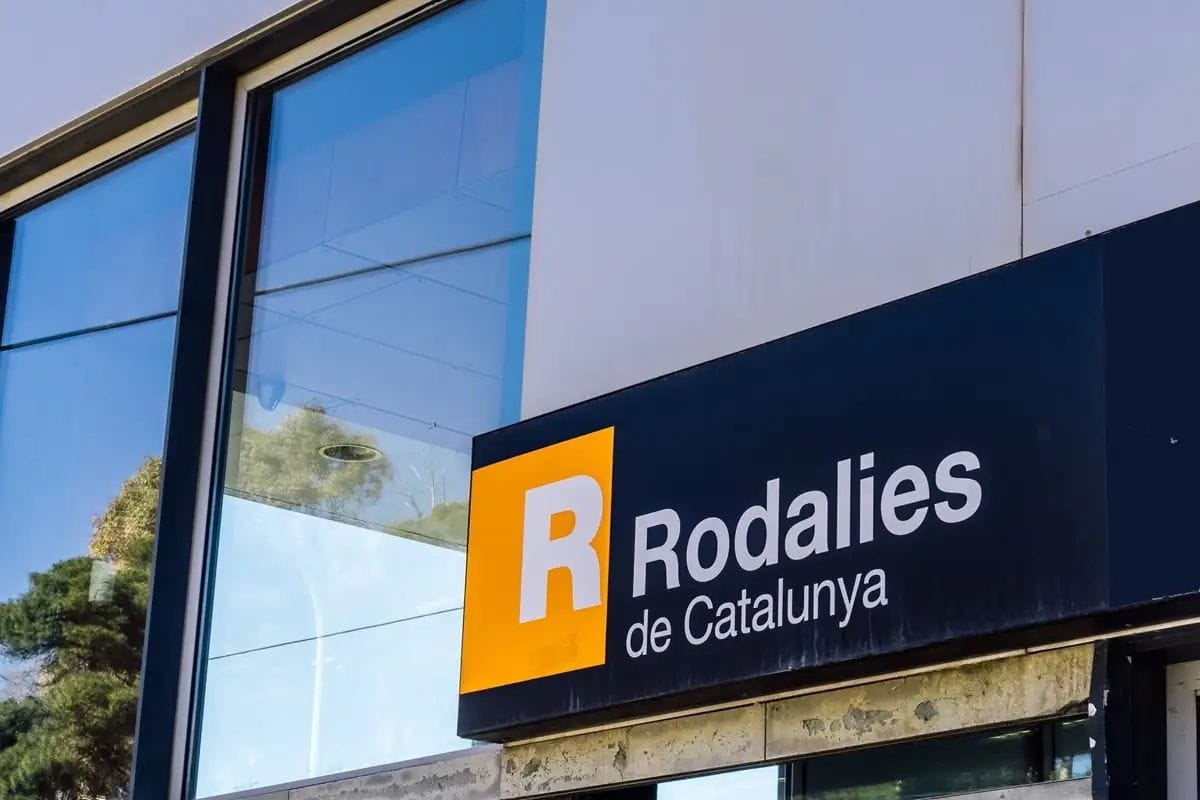
For years, the network has suffered from a sustained lack of investment that has directly affected its reliability. While high-speed rail absorbed a large share of resources, the commuter rail system was left behind, creating a decline that now affects users' daily lives.
The consequences are already visible: more incidents, growing protests and a general feeling of mistrust. Added to this is one of the problems most often pointed out by travellers: the lack of real-time information during breakdowns or disruptions, which worsens uncertainty at key times of day.
The debate is not limited to the condition of the infrastructure. It also affects the mobility model. More and more experts agree that access to public transport is a decisive factor in reducing inequalities, as it shapes access to employment, education and basic services.
In this context, several urgent lines of action are emerging. On the one hand, there are calls for more efficient investment focused on specific interventions that improve the quality of service on critical lines. On the other, there is insistence on the need to integrate fares throughout Catalonia to make travel between regions easier.
The future also involves strengthening the network with other means: buses, trams and bicycles, especially on journeys where the train does not reach or at times with lower frequency. Sustainable mobility is shaping up as a key tool for balancing the system and reducing pressure on Rodalies.
The discussion also includes more controversial measures, such as the possible introduction of urban tolls to fund public transport or the reorganisation of urban space to prioritise pedestrians and collective transport.
Rodalies remains the backbone of metropolitan mobility, but its current fragility shows the need for profound change. Barcelona now faces the challenge of transforming its transport system into one that is more reliable, accessible and adapted to the city's real needs.