
News
Concerts at the Bernabéu will remain under pressure after court ruling on noise
The battle between concerts and residents' peace around the Bernabéu is far from over. The Audiencia Provincial has decided to exempt Real Madrid from criminal responsibility for the noise generated during major events held at the stadium, but the conflict in Chamartín is still very much alive and residents have already announced new appeals.
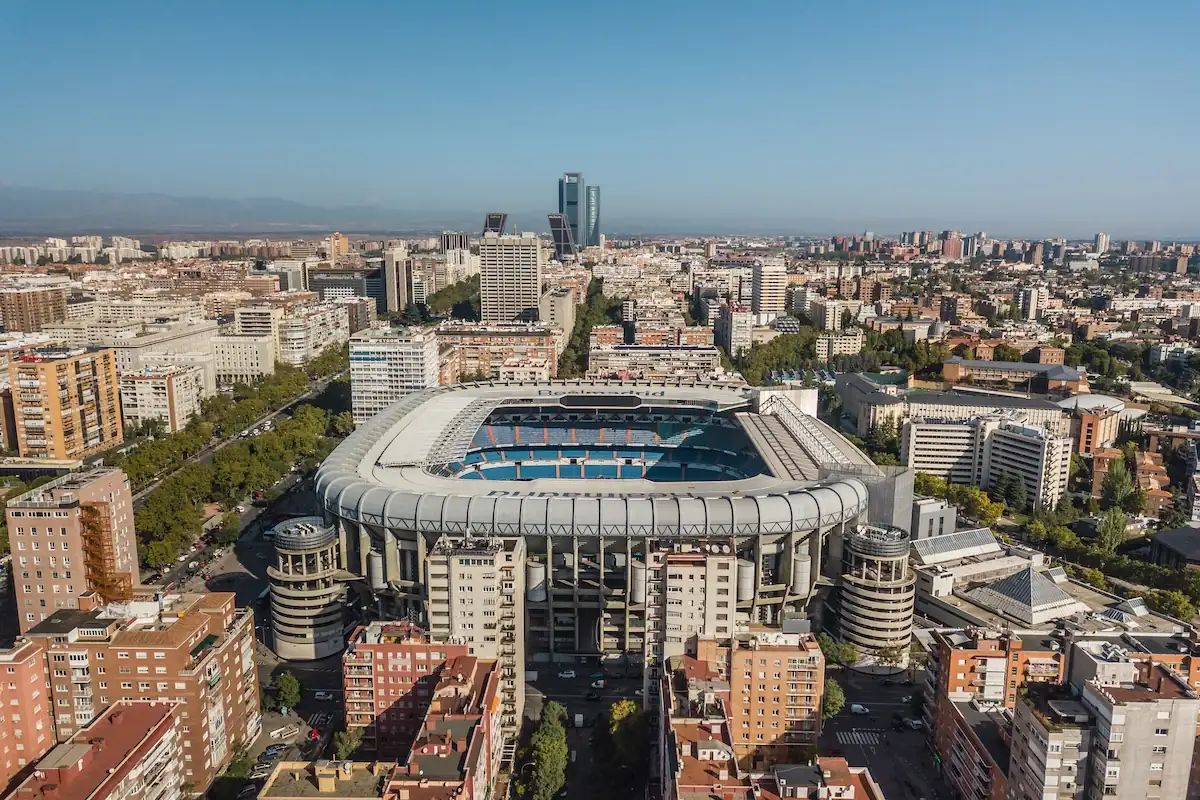
The court ruling considers that neither the club nor its general manager are directly responsible for possible offences related to excessive noise. According to the court, responsibility lies with the promoting companies and the technical teams in charge of organising the concerts and controlling sound inside the venue.
That shifts the legal focus towards those who produce the events, especially after months of complaints from local residents about noise levels recorded during mass concerts such as those by Taylor Swift or Karol G. The city council had previously confirmed that several shows exceeded the noise limits permitted by municipal regulations.
In practice, the decision does not solve the problem that has been straining coexistence in part of Chamartín for months. Many residents continue to report nights with music until the early hours, vibrations, crowds and radical changes to the neighbourhood’s routine every time the Bernabéu hosts a major event.
Real Madrid maintains its commitment to turning the stadium into a multifunctional space capable of hosting concerts, shows and international events throughout the year. That transformation forms part of the club’s new economic model, but it has also completely changed the relationship between the stadium and the surrounding residential area.
Meanwhile, promoters could face substantial penalties if it is shown that they breached noise regulations. The fines envisaged range from relatively low amounts to sums that can reach hundreds of thousands of euros, depending on the seriousness of the breaches and the time at which they occur.
The Bernabéu case reflects quite well one of the major urban debates running through Madrid: to what extent a city wants to promote major international events without damaging the everyday lives of those who live nearby. Chamartín has become the perfect setting for this clash between business, mass entertainment and residents’ rest.
The Bernabéu stopped being just a football stadium some time ago. It now also works as a symbol of a city seeking to compete globally through entertainment and major shows. The problem is that this new version of Madrid does not always fit easily with the daily rhythm of the neighbourhoods that sustain it.