
News
Madring noise reaches peaks of 109 decibels beside homes
The first single-seater tests at Madring have reopened the controversy over noise a few weeks before Formula 1’s debut in Madrid. The Stop Fórmula 1 Madrid platform says it measured an average of 102.7 decibels beside homes near the circuit during the Formula 3 tests held this Monday.
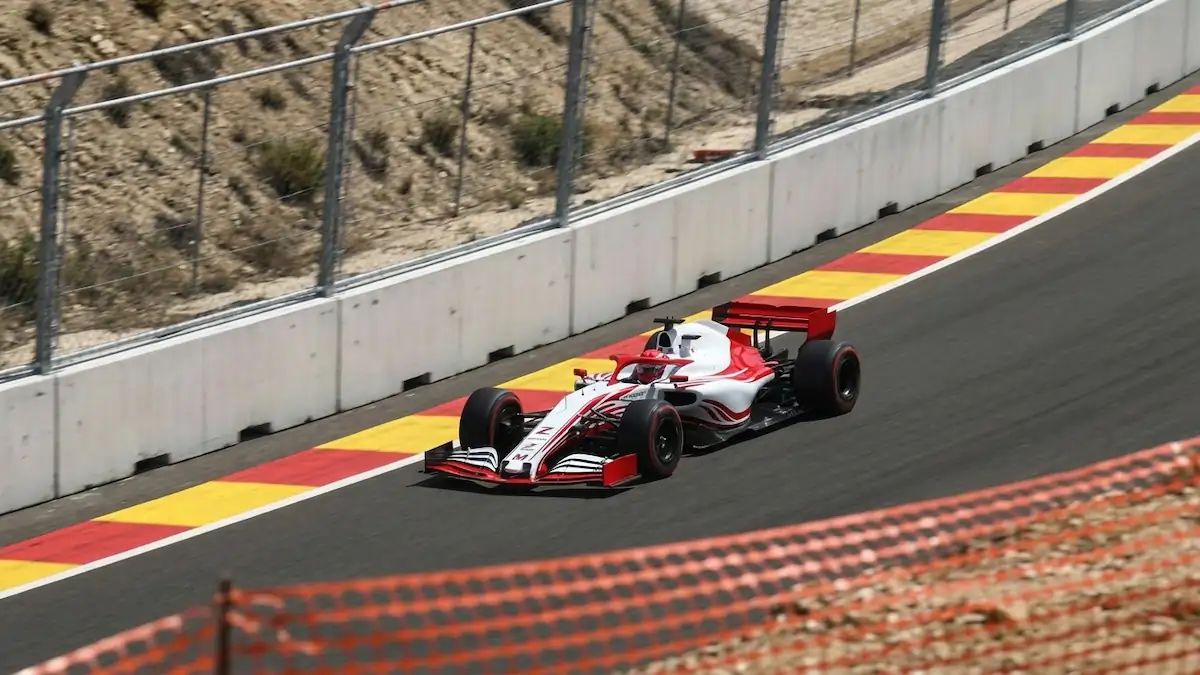
The measurement was taken at 10:52 at number 14 Francisco Umbral Street. According to data released by the neighbourhood group, the sound level meter recorded maximums of 107.7 dBA and a peak of 109.1, while several F3 cars were driving around the new circuit.
The figures do not come from an official City Council measurement and have not been independently verified, but they have fuelled a concern that has accompanied the project since its earliest stages. Stop Fórmula 1 Madrid compares those values with the noise limits established for the capital's residential areas and calls for public monitoring during the tests and the future Grand Prix.
The municipal ordinance sets a reference limit of 55 dBA during the day for residential areas. However, the comparison cannot be made simply by putting that number against a peak captured by any sound level meter, since the regulations establish specific procedures, assessment periods and conditions for determining whether there has been a breach.
The Formula 3 tests are being held this Monday 24 and Tuesday 25 August as a real test for Madring before the Spanish Formula 1 Grand Prix, scheduled for 11 to 13 September. Ten teams and 30 drivers took part in the first day, with track activity between 09:00 and 17:00.
For those who live next to the circuit, these tests also provide the first indication of what a competition weekend may sound like. Homes in Valdebebas and other nearby areas are already living with works, traffic changes and preparations, and noise has become one of the main concerns for part of the neighbourhood.
The platform also has two legal fronts open: one against the amendment to the Partial Plan that made it possible to develop the circuit, and another against the licence linked to staging the race. The acoustic impact is part of the arguments with which opponents question whether an event of this kind can coexist with such nearby residential areas.
Madring's first test therefore leaves two very different readings. For the organisers, the F3 cars make it possible to fine-tune the circuit before Formula 1 arrives; for its critical neighbours, the sound of the engines confirms a concern they had until now only been able to imagine. In September, with the entire grid on track and tens of thousands of fans around it, that debate will again be measured from balconies.