
News
Extreme heat changes the pace and daily life in Madrid
Madrid changes appearance when the heat truly bears down. It is not just that the thermometer rises: schedules, gestures, conversations and even the way people walk down the street change. The city becomes slower, drier and more apparent.
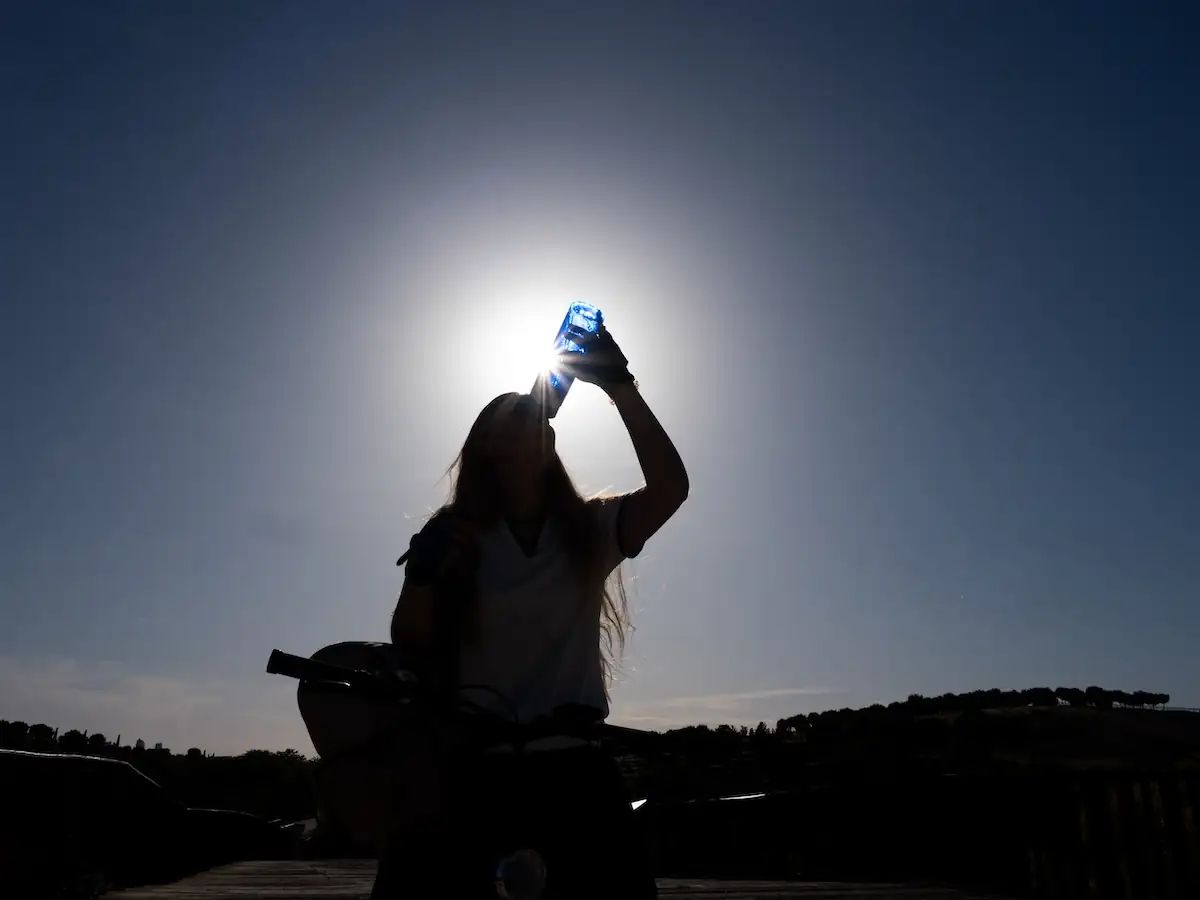
At midday, the light falls unfiltered on pavements, façades, and squares. The occupied benches, shaded doorways, and bus shelters become improvised refuges. Those who can avoid the street; those who can’t, learn to move from shadow to shadow.
The heat also draws distinctions. It’s not the same to cross Madrid for leisure as it is to do so for work, delivering, cleaning, waiting tables, or running errands. Some people take shelter in an office, a shopping centre, or an air-conditioned home, while others spend the day exposed to the asphalt and a relentless sun.
Terraces remain busy in some areas, but at certain times they lose some of their appeal. Waiters endure under hot awnings, tourists look for fountains, and locals plan every journey carefully. On days like these, a street without trees or a square without shade stops being just an urban detail and becomes a real problem.
Families also reorganise their routines. Water bottles, caps, light clothing, and frequent stops are part of any outing with children. Parks empty out during the hottest hours and come back to life in the evening, when the heat drops just enough to regain a bit of normality.
Public transport often serves as a temporary refuge. An air-conditioned carriage or a cool station can be more of a relief than a terrace in the sun. Supermarkets, libraries, cultural centres, and air-conditioned spaces also become more important in the daily lives of those who have no other way to escape the heat.
Madrid has always endured harsh summers, but extreme episodes are becoming more frequent and longer. That forces us to look at the city differently: not just as a place to move, consume, or visit, but as a space that must protect its inhabitants during the toughest hours.
The heat leaves a simple and uncomfortable lesson. The city is not experienced the same from a shaded terrace as from a treeless pavement, nor from a cool home as from a room that accumulates heat all night. When the temperature rises, Madrid’s routines, limits, and inequalities become all the more visible.