
News
Housing in Madrid breaks records as rising prices reach southern and eastern neighbourhoods
Housing prices in Madrid continue to rise, but the key change is where it's happening. Neighbourhoods outside the M-30, such as Usera, Puente de Vallecas, or Villaverde, are now seeing the biggest increases, directly affecting those who were looking for more affordable options.
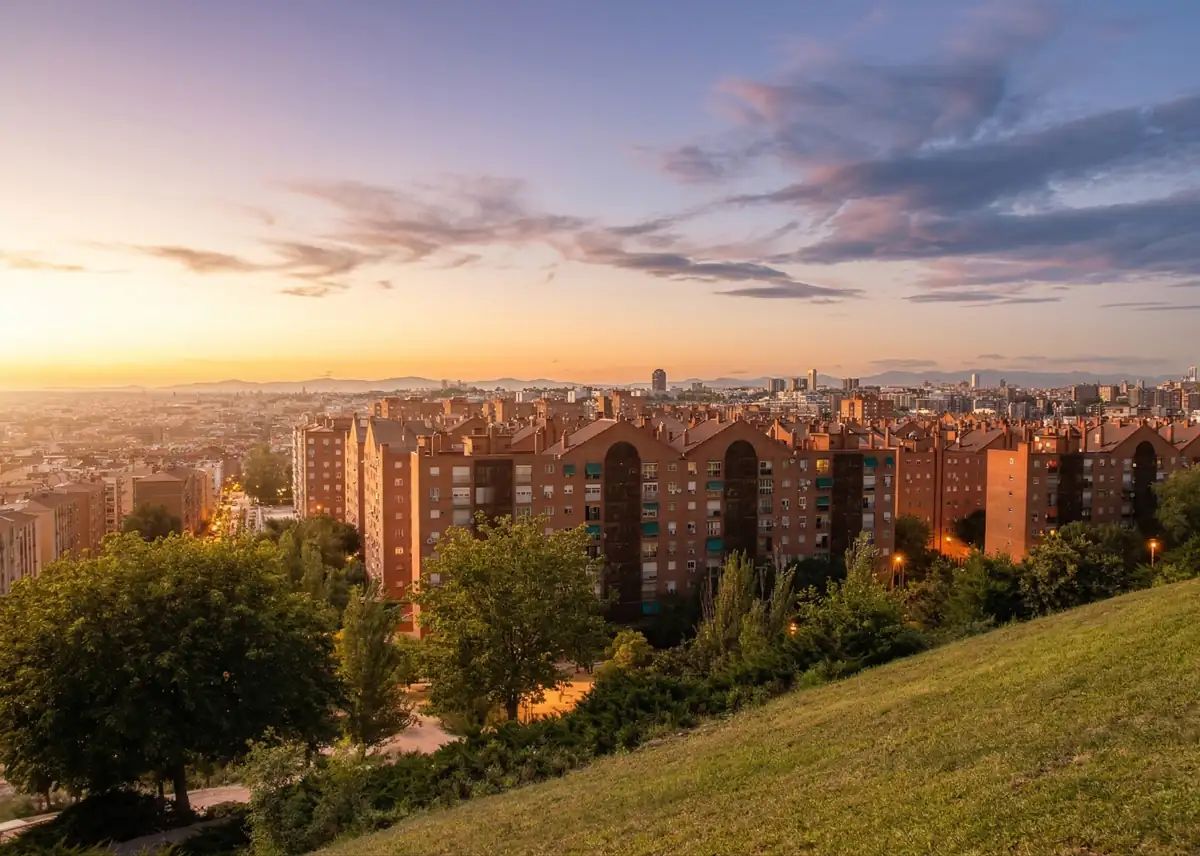
In these districts, prices have risen by more than 20% over the past year, with even higher spikes in some cases. Although they are still cheaper than more central areas like Salamanca or Chamberí, the gap is closing quickly.
The impact is felt in daily life. Many families who could previously afford to live in these neighbourhoods are now facing higher prices and less availability, making it harder to buy or rent a home.
There are several reasons for this shift in demand. The city centre has become unaffordable for many buyers, pushing the search towards the south and east. Added to this are new developments and improvements in transport that are increasing interest in these areas.
Meanwhile, traditionally expensive neighbourhoods like Retiro or Chamartín remain costly, but are growing at a more moderate pace. The focus of rising prices has clearly shifted to the outskirts.
This change is redefining the city’s map: areas that once offered some breathing room are now starting to feel the pressure, transforming both access to housing and the balance between neighbourhoods in Madrid.