
News
The Tagus returns to its rhythm and Madrid breathes after weeks of continuous rain
The Tagus basin leaves behind the spell of rain that disrupted Madrid's routine. Hydrological warnings are easing and the reservoir water level is close to historic highs. The city is getting back to normal.
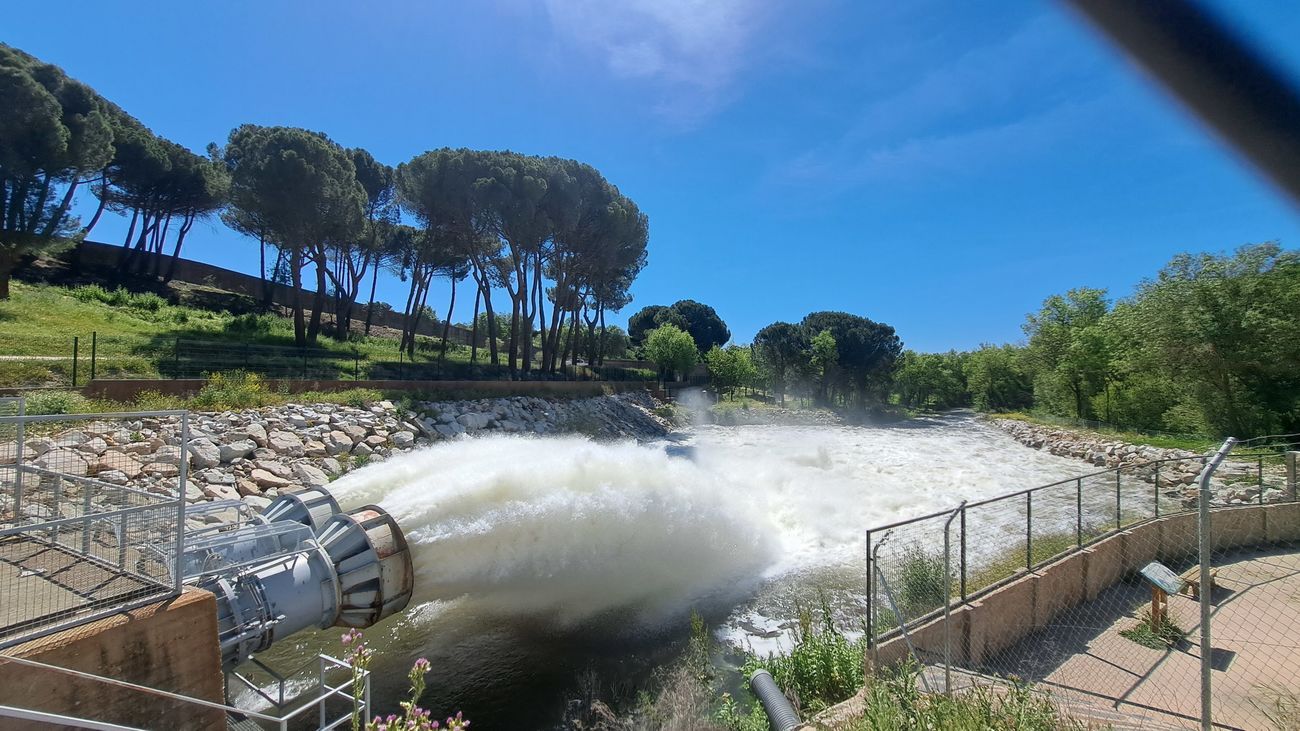
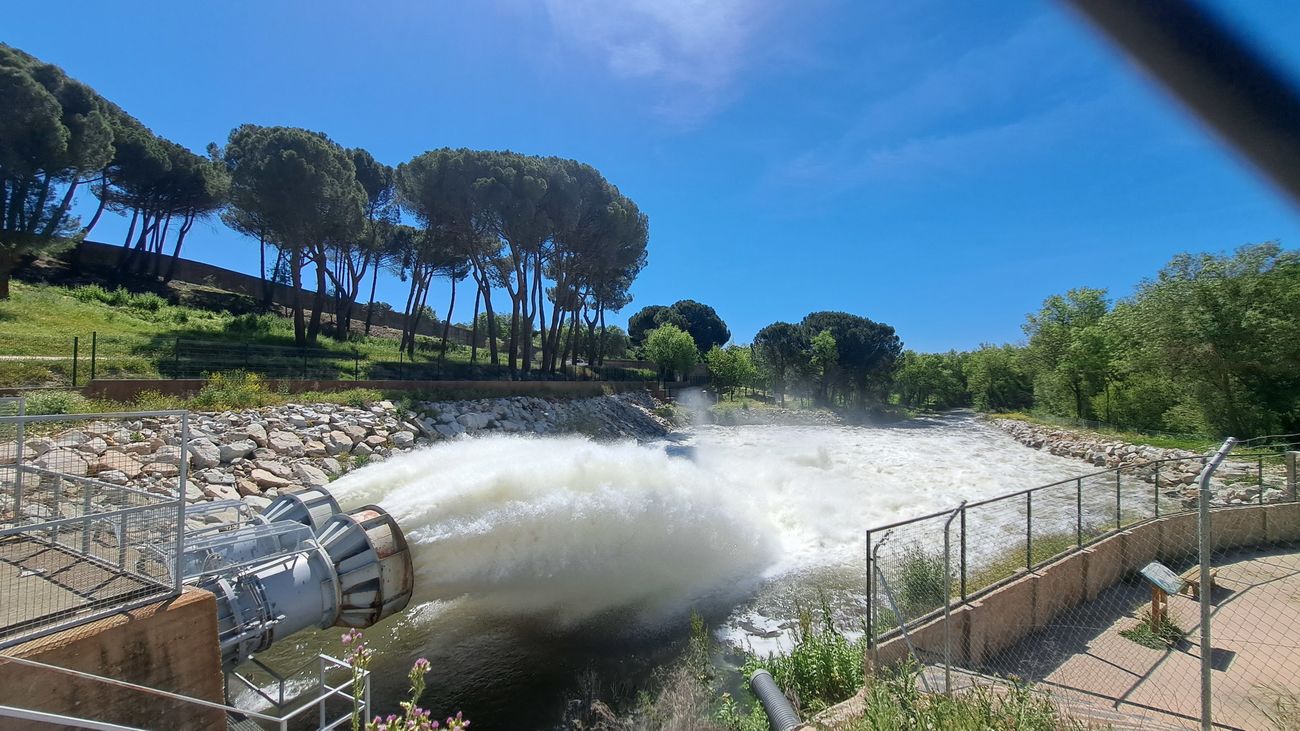
Madrid is looking to the sky again with less concern. After almost three weeks of persistent rain, the Tagus River Basin Authority has begun to lower hydrological alerts in the basin, bringing to a close an episode that has affected mobility, outdoor plans and the city’s cultural calendar.
The cycle of storms began on 25 January with Joseph and continued until 13 February, when Oriana brought an end to a succession of fronts which, although they did not bring torrential rain, did maintain humidity and instability. Kristin, Leonardo, Marta and Nils brought steady precipitation, enough to alter the pace of neighbourhoods and daily journeys.
During this period, the Tagus Automatic Hydrological Information System issued more than 2,000 real-time alerts, 500 of which directly affected the Community of Madrid. The notifications have been a point of reference for people who live near the river, plan routes or depend on the forecast for their day-to-day activity.
The impact can be seen in the reservoirs: the basin has gone from storing 62% of its capacity to approaching 83%, with 9,178.59 cubic hectometres of water. It is a figure close to the historic record of 86% registered in March 2025, and it guarantees reserves for the coming months.
The city is gradually regaining its usual pulse. Walks along the Manzanares, outdoor activities and cultural programming are once again taking centre stage. Madrid is already beginning to move in that direction.
The Tagus River Basin Authority, headquartered in the capital, manages one of the largest basins on the peninsula. Its work goes beyond monitoring flows: it coordinates real-time information, anticipates risks and adjusts water management so that the city and its surroundings can adapt to changes in the climate. In episodes such as the one experienced, its response capacity is key to maintaining normality in urban life.