
News
Tardeo becomes established in Madrid and changes how people enjoy leisure
Tardeo is now part of the routine of thousands of people from Madrid and continues to gain ground in the city's leisure offering. What was a one-off alternative a few years ago has become an established habit, to the point that 26.3% of the weekly turnover of many venues now comes from activity recorded during afternoon hours, according to the first Study on the Social Phenomenon of Tardeo in Madrid, prepared by the Association of Leisure and Entertainment Business Owners.
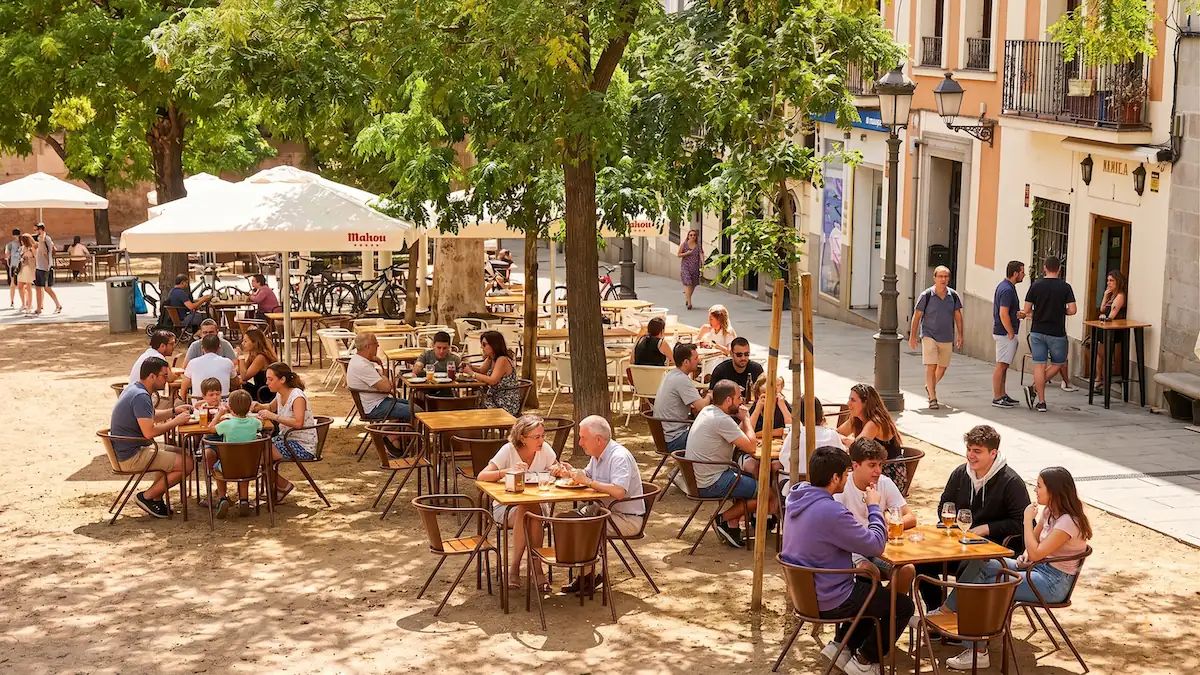
The trend is especially noticeable at weekends. Nearly six out of ten venues regularly organise afternoon sessions, while another 41.2% schedule them at specific times. For the sector, tardeo has stopped being a complement and become a stable part of their activity.
Business owners agree that the phenomenon is now fully established. 82.4% believe that tardeo is already part of the Madrid lifestyle, a higher percentage than in other Spanish cities. The music, terraces, and food offerings are increasingly tailored to those who prefer to start their plans before nightfall.
There are various reasons. Spending time with friends remains the main motivation for joining these gatherings, though the chance to get home earlier and balance leisure with family life or rest also plays a role. The most common profile is people between 30 and 40 years old.
The impact is also seen in spending. The average outlay can reach 45 euros per person, a figure that confirms the economic importance that tardeo has acquired for bars, restaurants, and leisure venues in the capital.
This change in habits is also altering the atmosphere in many neighbourhoods. Terraces start to fill up from mid-afternoon, concerts and music sessions begin earlier, and many venues have brought forward their programming to meet a demand that keeps growing.
Far from being a passing fad, tardeo reflects a new way of experiencing free time in Madrid. The city is gradually adapting its offerings to an audience that wants to socialise without staying out late, consolidating a leisure model that combines food, music, and urban life over an increasingly broad timetable.