
News
The Montjuïc cable car closes for a month: alternatives and how it affects your plans
The Montjuïc cable car is suspending service for a month due to maintenance. The closure coincides with the interruption of the funicular. Passengers will need to find alternative routes. Bus 150 will be key during this period. Find out how to reorganise your journeys.
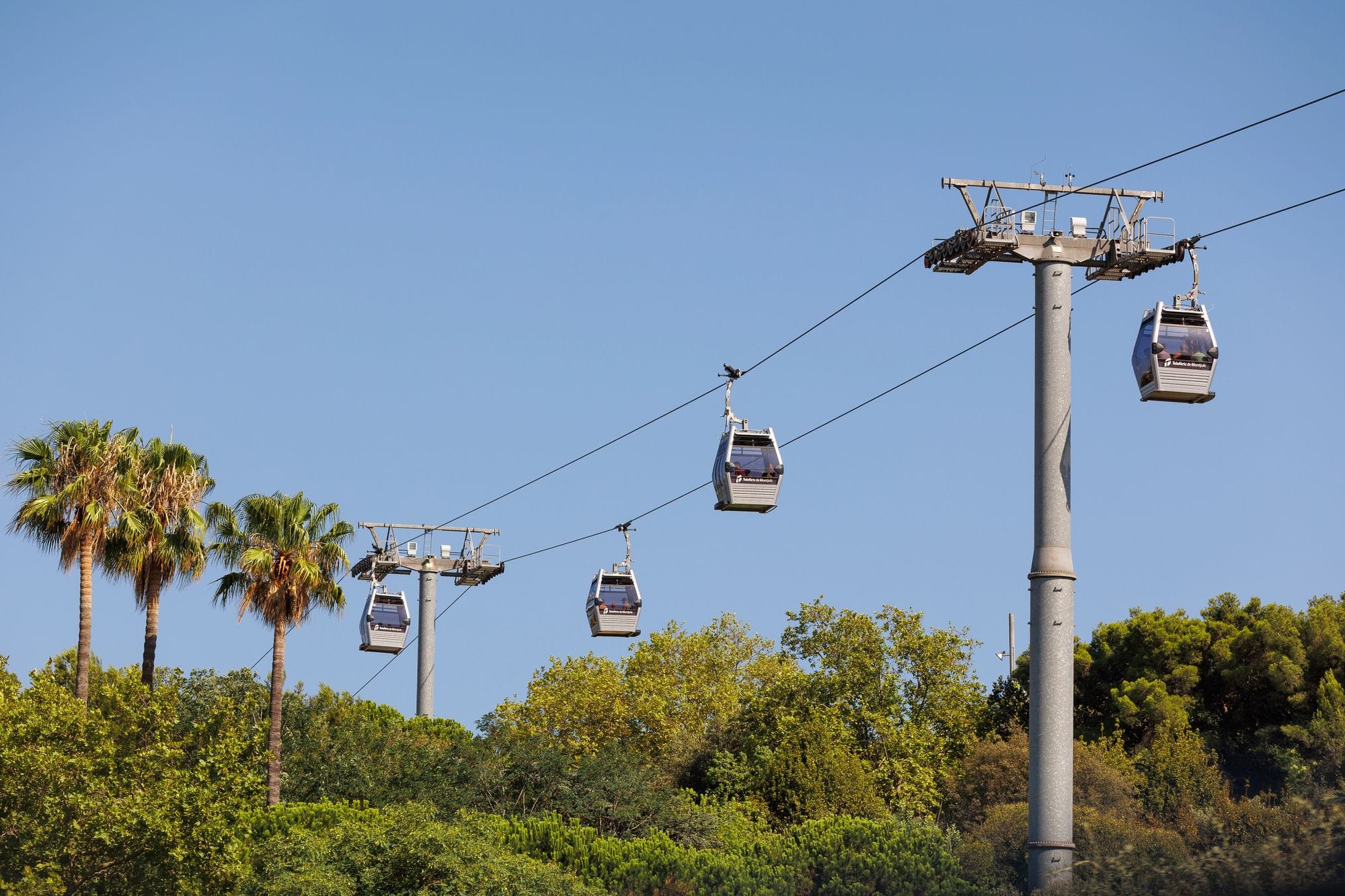
The Montjuïc cable car is suspending service for a month for maintenance. The stoppage coincides with the interruption of the funicular. Users will have to seek alternative routes. Bus 150 will be key in the coming days. Find out how to reorganise your journeys.
Those planning to go up Montjuïc by cable car will have to change route. From this Monday, Barcelona’s emblematic aerial transport service is suspending its service for almost a month for maintenance work. The measure affects both tourists and residents who use the cable car to reach the castle or enjoy panoramic views of the city.
The suspension will remain in force until Sunday 1 March, with both days included. During this period, the recommendation is clear: use bus 150, which connects Plaça d’Espanya with Castell de Montjuïc. This bus operates every day of the week, from 7:00 to 21:00, and becomes the main alternative for those who do not want to give up the mountain.
The cable car closure is in addition to the already prolonged absence of the Montjuïc funicular, out of service since October because of works on the Vila i Vilà collector. To compensate, a shuttle bus continues to run between Avinguda Paral·lel and the cable car’s Parc Montjuïc station, although getting around the area is becoming more complicated and requires more planning.
The impact of these interruptions is especially noticeable at weekends and on public holidays, when visitor numbers on Montjuïc increase. Families, sportspeople and regular visitors will have to adapt their journeys and allow more time to reach the summit.
In 2025, the Montjuïc cable car exceeded 1.7 million journeys, establishing itself as one of the city’s most used leisure transport services. Since its inauguration in 2007, it has recorded more than 25 million trips. Revenue generated by ticket sales helps fund improvements to other public services, such as the metro and urban buses, thereby strengthening Barcelona’s mobility network.
Montjuïc is much more than a mountain: it is a green lung, a privileged viewpoint and an essential cultural space in Barcelona. Its access routes, often affected by works or technical improvements, reflect the city’s constant transformation and its commitment to sustainable mobility. The cable car, with its cabins suspended above gardens and museums, has become part of the urban landscape and an experience that connects generations. Each temporary closure is a reminder of the importance of keeping in perfect condition the icons that define everyday life and tourism in the Catalan capital.