
News
Barcelona faces three days of major closures for the Tour de France
Barcelona is preparing for three days in a city taken over by cycling. The Grand Départ of the Tour de France will arrive at the beginning of July with an expected more than 850,000 fans, road closures, diversions and major changes to daily mobility.
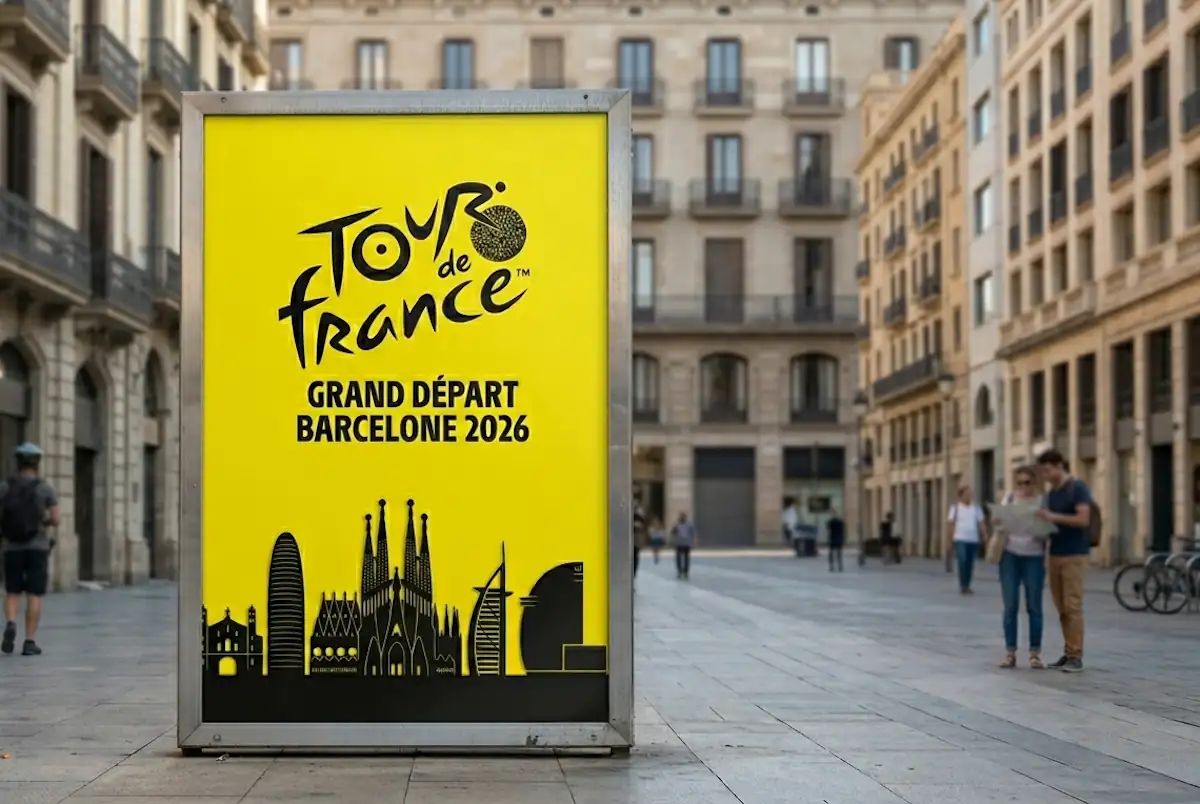
The impact will be felt long before the cyclists begin competing. The presentation of the teams, scheduled for 2 July, will turn the area around Sagrada Família, Sant Pau and avenida Gaudí into a major pedestrian and festive zone, but it will also require streets to be closed and terraces to be removed.
That first operation will begin the night before and remain in place for much of the day. For residents, businesses and people moving through Eixample or Guinardó, the recommendation will be clear: check disruptions, avoid travelling by car and allow more time than usual.
The most difficult day will be 4 July, with the team time trial. The stage will cross the city from Parc del Fòrum to Montjuïc and affect key routes such as avenida del Litoral, calle Aragón, passeig de Gràcia and plaza de Espanya.
The circuit will be closed from early afternoon and normality will not return until after 20:30. There will also be restrictions on Ronda Litoral, especially at access and exit points in the Besòs direction, which may complicate travel between the coast, the centre and the city's northern entrance.
The second stage will arrive on 5 July, entering through calle de Collblanc and finishing with two climbs up Montjuïc. From mid-afternoon until the end of the stage, the mountain will be virtually isolated from traffic, with parking bans in force from the previous day along the entire route.
Public transport will also have to adapt. Some bus routes will be diverted or interrupted, and the metro will become the most reliable option for getting around the city during the hours of greatest disruption. For those who work, live or have plans near the route, planning ahead will be almost compulsory.
The Tour will be a huge opportunity for international exposure, but also a test of urban patience. For a few days, the city will gain a unique sporting postcard, although the price will be clear: closed streets, full neighbourhoods and mobility that will require organisation before leaving home.