
News
Diagonal and sea-mountain axes concentrate Barcelona's traffic increase
Traffic is again gaining pressure on some of Barcelona's main arteries. Data from the last five years show increases especially visible on Avinguda Diagonal and several axes linking sea and mountains, though trends are not the same across the city.
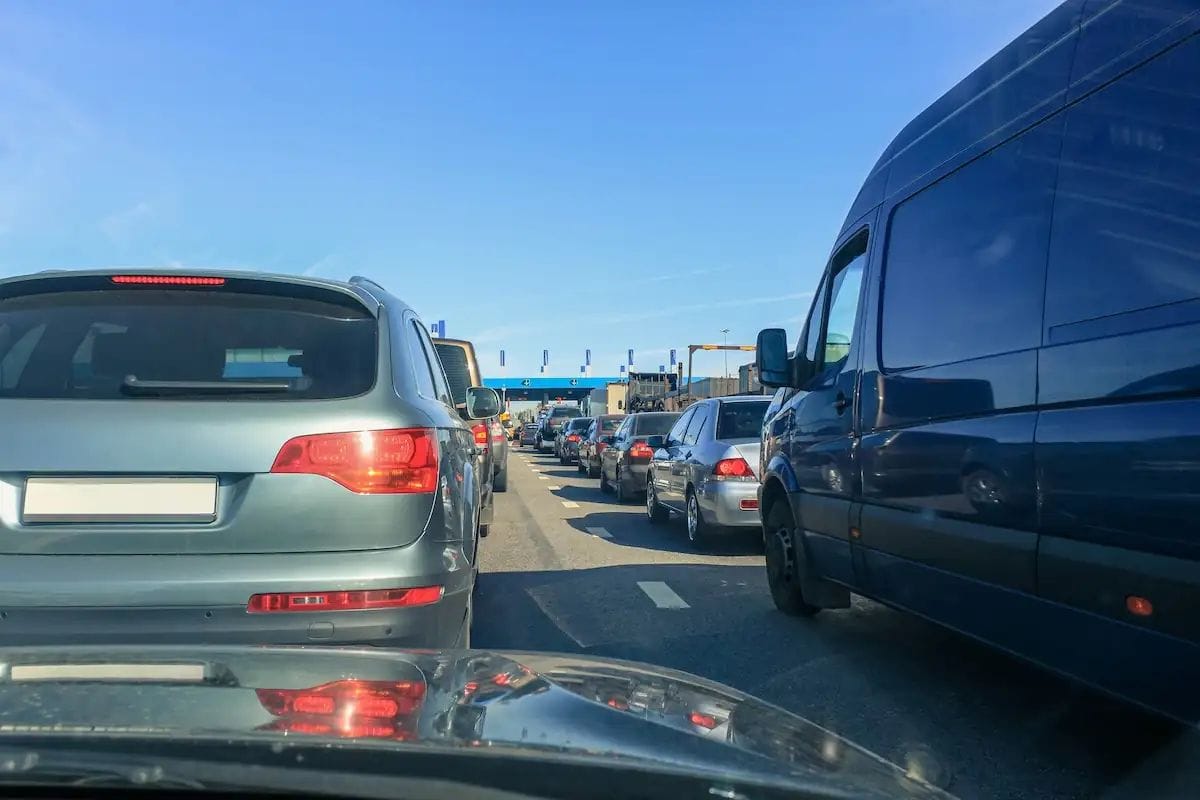
One of the clearest changes took place between 2021 and 2022. Balmes went from an average of 28,152 vehicles a day to 30,719, while Numància rose from 22,456 to 23,750 and Aribau from 18,753 to 19,287. It was also a period marked by numerous transformations of public space and traffic adjustments.
The most sustained trend can be seen on the Diagonal. In the outbound direction, the avenue went from 35,060 vehicles a day in 2021 to 37,799 in 2023 and 39,275 in 2025. In the inbound direction, the increase has been considerably smaller: from 17,015 vehicles a day in 2021 to 17,859 last year.
For people who use a car every day, that difference can mean more time stopped at junctions and access roads, especially around Francesc Macià and on links with the Baix Llobregat. The Diagonal serves as one of Barcelona's major gateways in and out, and any increase also ends up affecting the streets that lead into it.
Not all arterial roads have followed the same path. Since 2023, Balmes has remained at around 29,000 vehicles a day, while Aragó is around 58,000 and Gran Via 53,000. These are very high volumes, but relatively stable in recent years.
The redistribution of road space adds another piece to the picture. Over the last two decades, numerous streets have lost lanes for private vehicles to make room for buses, bicycles or pavements, while Barcelona continues to receive a large volume of metropolitan journeys every day.
The Generalitat is now preparing a tool to manage that pressure better. The new connected and intelligent roads programme includes a digital twin of the metropolitan road network that will make it possible to reproduce traffic virtually, detect incidents and anticipate how traffic jams may develop.
The system will be based on sensors and real-time data and will be of particular interest on approaches to Barcelona. The intention is to be able to make decisions before a tailback ends up spreading across several links, rather than reacting only once congestion has already formed.
For drivers, the technological change will not yet eliminate queues overnight. The map of recent years shows a Barcelona in which traffic is becoming increasingly concentrated in particular corridors: less uniform than before, but especially intense where the major movements between neighbourhoods and the metropolitan area converge.