
News
Madrid transport attracts 49 delegations from around the world
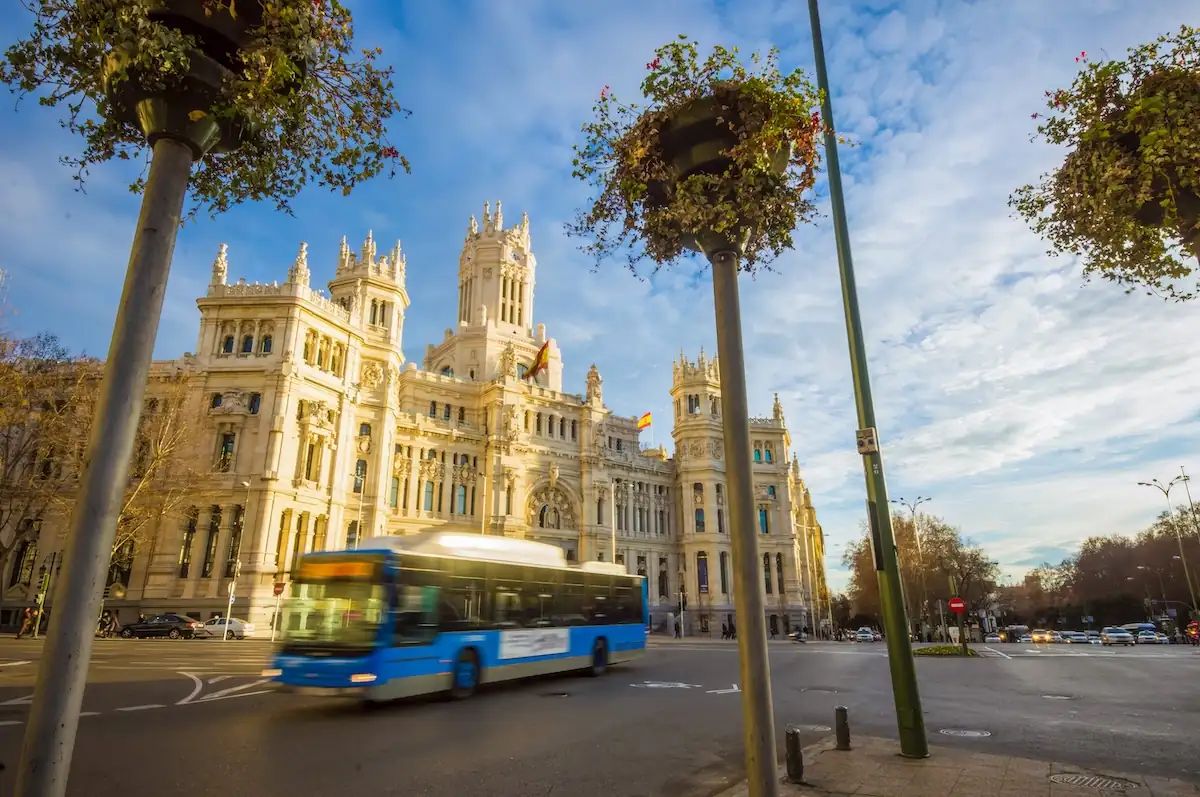
Madrid public transport has also become an object of study outside Spain. During the first half of 2026, 49 national and international delegations visited Metro and different facilities of the Regional Transport Consortium to learn how a network that moves millions of passengers every day is organised.
Metro received 32 of these groups and another 17 toured facilities managed by the Consortium. Interest is focused especially on coordination between different means of transport, infrastructure maintenance, mobility planning and the incorporation of new technologies.
Among the visitors are operators and bodies from places as diverse as Kenya, Indonesia, Colombia, Peru and Paraguay. Institutional representatives from Argentina and Morocco have also taken part, as have Spanish and European administrations interested in learning about how Madrid's system operates.
One of the places attracting the most attention is CITRAM, the centre from which much of regional mobility is monitored in real time. Information from 10,500 cameras, 6,000 information panels and the geolocation of around 4,000 buses is centralised there.
The interchanges at Plaza de Castilla and Moncloa are another regular feature of the visits. Their ability to bring together Metro, urban and interurban buses and other forms of transport in one space serves as a reference for cities seeking to improve their major mobility hubs.
Within Metro, the Canillejas Central Workshops have also become a notable stop. The complex covers around 40,000 square metres and concentrates train inspection and repair work. Delegations also learn about the Central Control Post, the driving simulator, the logistics centre and the Fire Classroom used to train workers for emergencies.
Interest does not come only from administrations and operators. Universities, business schools and vocational training centres from places such as Peru, Maryland, Bogotá and Antwerp have also come to Madrid to study its model. The visits show how decisions that go almost unnoticed by the daily traveller — from coordinating an interchange to tracking thousands of buses in real time — have become references for other cities trying to solve their own mobility problems.