
News
Madrid becomes the European capital of Latin American luxury tourism
Madrid is changing to the rhythm of increasingly exclusive tourism. Latin American visitors, especially from Mexico, Argentina and Colombia, already spend more than 400 euros a day in the capital, far above the usual average. The impact is felt on streets such as Serrano, Ortega y Gasset and Gran Vía, where tax-free shopping, premium hotels and high-end restaurants form part of the new routine in the city centre.
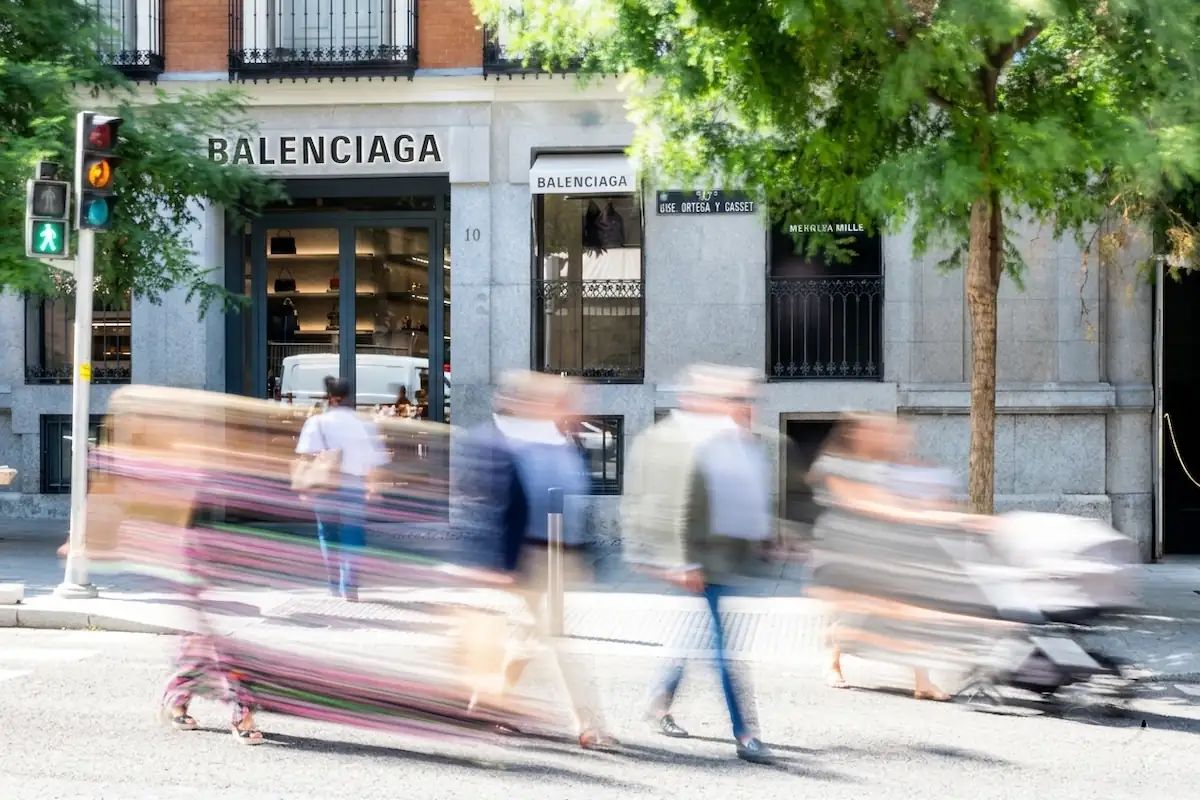
The city has also established itself as one of Europe’s major destinations for people travelling in search of luxury, shopping and urban experiences. Many of the suitcases landing at Barajas arrive virtually empty and return loaded with clothes, accessories and exclusive products. In some shops on the Milla de Oro, certain items disappear before midday during the busiest tourist weekends.
Madrid leads the growth of tax-free tourism in Spain, a segment linked to international visitors who buy tax-free products. Spending by some high-net-worth travellers can reach close to 1,000 euros a day and exceed 10,000 euros during a single stay. Fashion, gastronomy, boutique hotels, musicals and cultural experiences form part of a tourism model that brings record income to the city.
But the phenomenon is also beginning to transform daily life in several central neighbourhoods. As major international brands expand in Salamanca and commercial rents continue to rise, more and more residents feel that certain areas are ceasing to be designed for everyday life and becoming geared towards temporary visitors with great spending power.
Pressure on housing, the prices of commercial premises and the cost of living also fuels the political debate about the city model. Opposition sectors warn of an increasingly visible social divide between the Madrid that attracts luxury investment and the Madrid where many families find it difficult to continue living near the centre.
The Salamanca neighbourhood has become the most visible symbol of this change. Its streets combine international boutiques, high-net-worth tourists and a constant flow of visitors seeking an exclusive urban experience. The atmosphere still retains neighbourhood life, but is increasingly adapted to a city that competes globally to attract premium consumption and international tourism.
Madrid has spent years reinforcing its image as an open, safe and attractive capital for international visitors. Now, the rise of luxury tourism is also redefining the balance between business, housing and urban life. The city is gaining economic and commercial prominence, but at the same time it is beginning to ask whom some of its most emblematic spaces are really being transformed for.