
News
Measuring every stage of sleep can end up making it harder to rest
More and more people are turning to specialists, worried about the data their smartwatches record during the night. The quest for perfect rest can end up causing anxiety and making it harder to achieve exactly what they're trying to improve: sleeping peacefully.
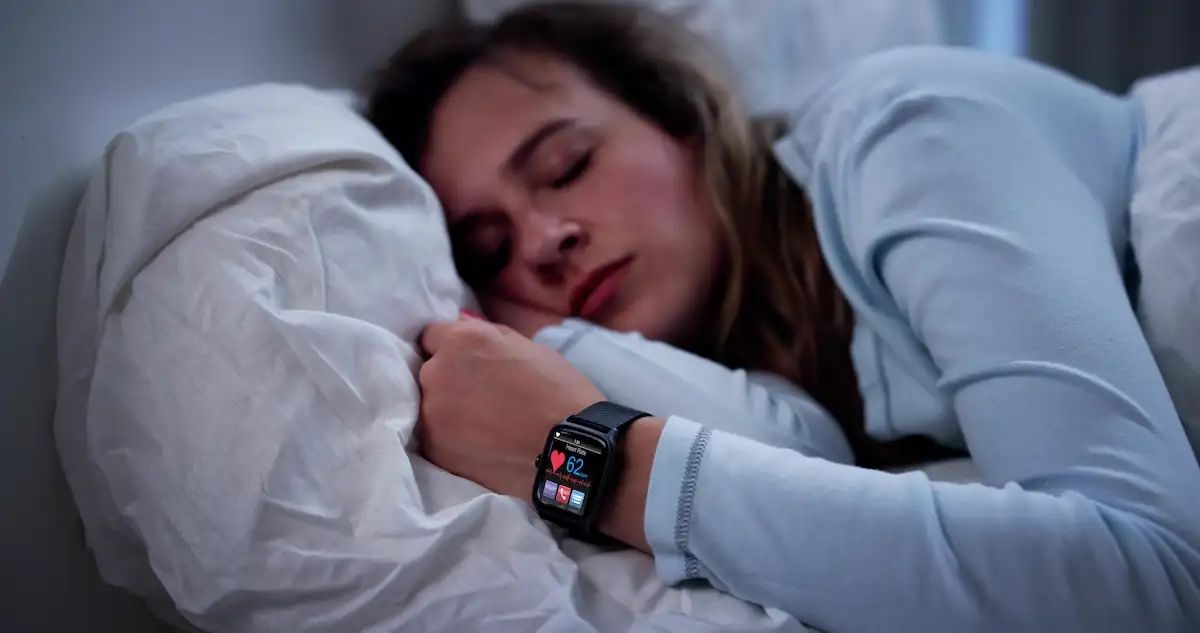
This excessive concern with controlling sleep quality is known as orthosomnia. The phenomenon appears most often among young people and those who are highly self-demanding, who check each morning the hours slept, awakenings, and supposed sleep phases.
Devices have made it easier to access information that previously could only be obtained through medical tests. This technology can help identify unhealthy habits, but it also encourages hypervigilance when users interpret every result as an exact measure of their wellbeing.
The problem starts when a low score affects the rest of the day. Some people believe they have slept badly even if they feel rested, while others go to bed worried about improving their statistics and find it harder to fall asleep.
Specialists explain that orthosomnia is not recognised as an independent disorder. It is a tendency to rely too much on measurements and to chase an ideal rest that does not always match the body's real needs.
Watches usually provide reasonable estimates of total sleep time and prolonged awakenings. Metrics related to deep, light, or REM phases are less accurate and can vary considerably compared to tests carried out in a clinic.
There are also differences between manufacturers and models. The same night can receive different assessments depending on the device used, which increases confusion when the figures are interpreted as a medical diagnosis.
The usual recommendation is to stop using the watch temporarily when its data causes concern and to pay more attention to how you feel during the day. Having energy, maintaining a good mood, and functioning normally usually provide more information than a nightly score.
The rise of orthosomnia shows the less visible side of digital self-care. Measuring sleep can be useful, but turning every night into a test ends up adding pressure to an activity that needs quite the opposite.