
News
One euro for the cup and it does not always come back: Barcelona's festivals reopen the debate
This summer a beer cost €2.50 both at the official bars of Festa Major de Gràcia and at those in Sants. The difference was the container: 330 millilitres in Gràcia compared with 400 in Sants. That is 70 millilitres less for the same price, and an example of why reusable cups have again sparked discussion after Barcelona's festival and local-festival season.
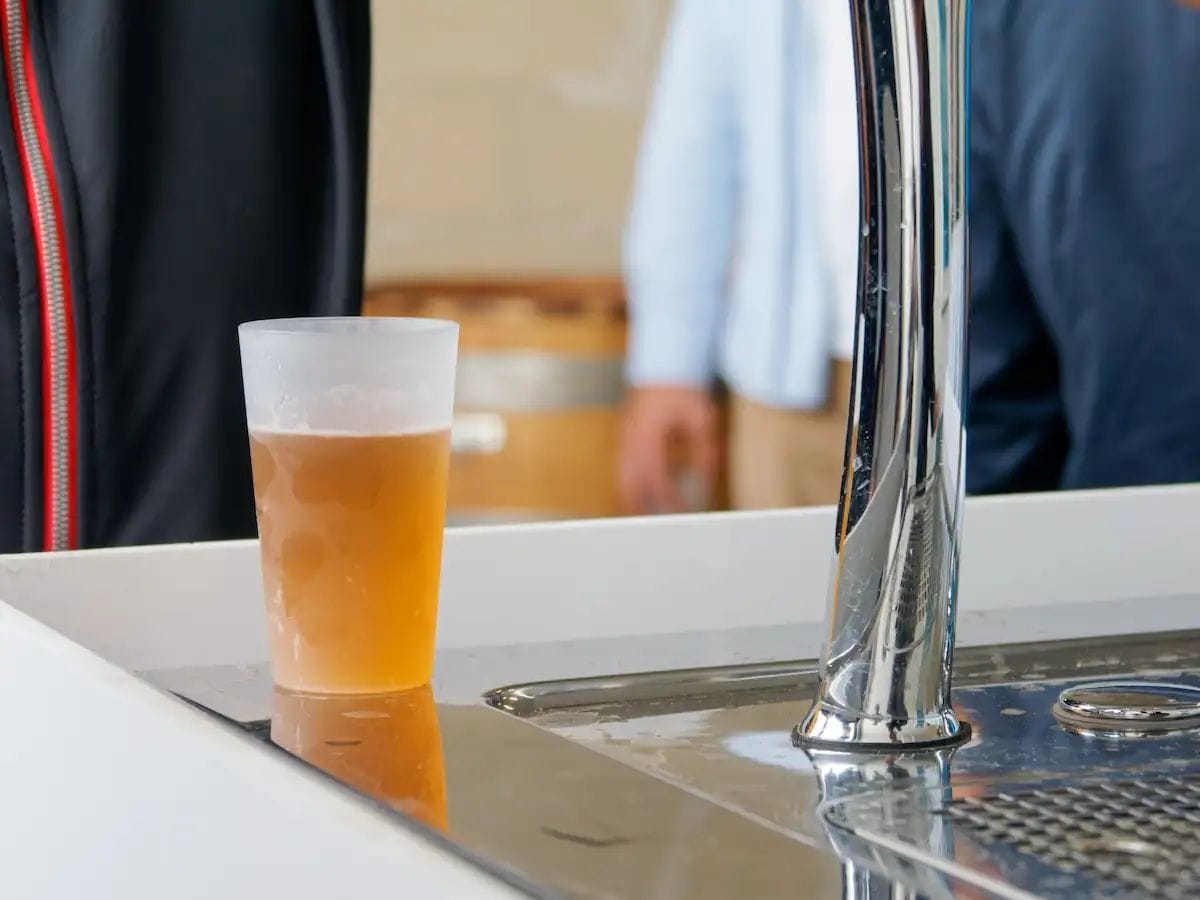
The model changes considerably from one event to another. In Gràcia, the cup can be returned at points of sale to recover the amount paid, with a maximum of five returns per person per day. The organisation also allows people to bring their own cup and justifies the 330-millilitre format as a measure to moderate alcohol consumption.
Sants also uses a deposit system: buying the cup at the bar costs one euro and it can be returned. The problem comes when the end of a night brings together thousands of people, the return point has to be found or another queue has to be waited in. For some attendees, losing one or two euros ends up being easier than recovering the deposit, and the cup ends up going home.
Major festivals do not follow a single formula either. Primavera Sound says that in its 2026 edition it put nearly 600,000 cups into circulation and recovered around 70%. However, those collected are not reused as cups: the manufacturer sends them to a company that turns the polypropylene into material for making other products, such as fruit crates.
Pride Barcelona uses another model. Its 400-millilitre cup is non-returnable and the organisation provides a clean one with every new drink; afterwards the containers are washed to be reused during their useful life and are finally recycled. The festival also allows the public to bring a 40-centilitre plastic cup from home.
Other events have strengthened the financial incentive for the container to return. Sónar charged a two-euro deposit this year and gave out a token that had to be returned together with the cup to recover the money. Cruïlla also used two-euro deposits, four fixed return points and ten mobile teams that collected containers around the venue and immediately reimbursed the amount through the festival wristband.
The rules do not state exactly that all reusable cups must carry a deposit. Since July 2023, event promoters have had to offer alternatives to single-use cups and containers. If they opt for a reusable system, they must meet the requirements established for reuse and, when they expressly charge a deposit to ensure that the cup is returned, they must have a mechanism allowing it to be returned and that money recovered.
For that reason, the debate cannot be reduced to whether the cup is plastic or bears the printed name of a party. The environmental key lies in how many times it is used again, how many containers actually return to the system and what happens to them afterwards. Barcelona ends another summer with very different models operating simultaneously and an increasingly visible question among attendees: when a reusable cup is actually reused and when it simply ends up becoming another festival souvenir.