
News
Madrid fans itself against an increasingly difficult summer
Madrid experiences summer amid holiday memories, small gifts and a daily struggle against the heat. August changes the city's rhythm and turns simple objects, such as a hand fan, into unexpected allies for those still moving through streets, the metro, terraces and squares.
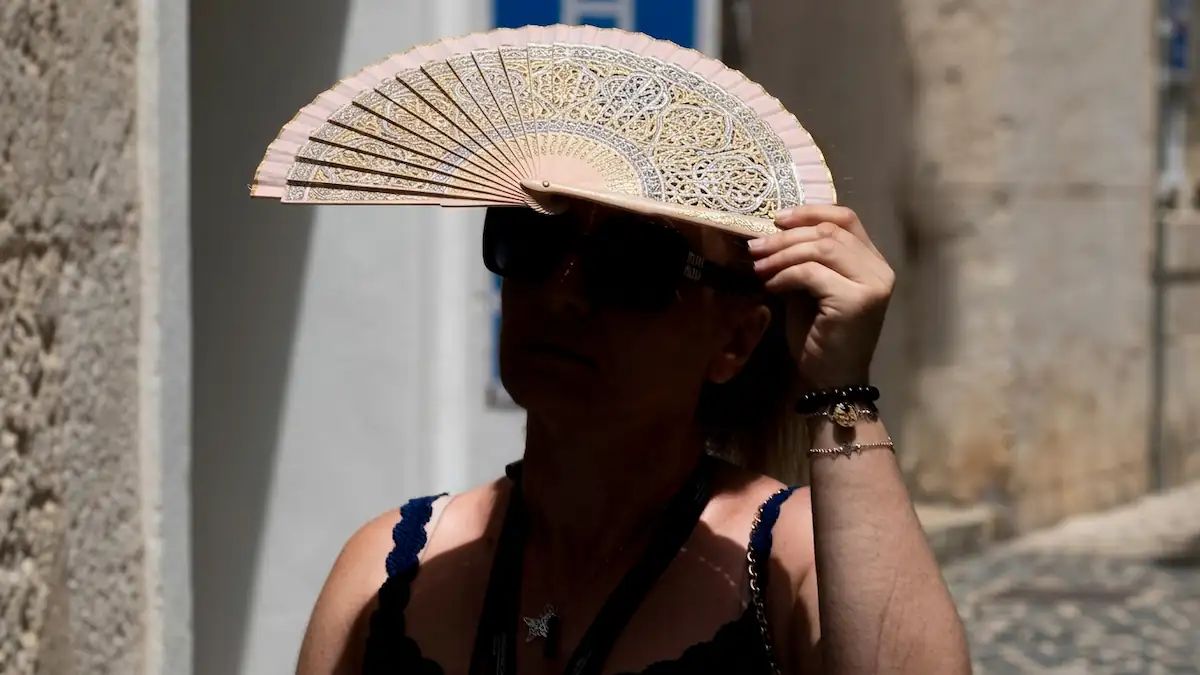
Souvenirs are part of that summer landscape. Key rings, T-shirts, postcards, magnets and trinkets of all kinds try to sum up a journey, a short break or an absence in a small object. Sometimes they are affectionate tokens; at other times, simple proof that someone was away and thought for a few seconds about bringing something back in their suitcase.
That culture of remembrance has also made its way into celebrations and weddings. It is increasingly common to give guests small useful, decorative or symbolic objects. Among them all, the hand fan stands out again when summer heat intensifies: cheap, light, easy to store and far more effective than it seems.
In Madrid, the hand fan has ceased to be merely a traditional accessory and has become a tool for urban survival. On the metro, at bus stops, in poorly air-conditioned offices or on terraces without shade, opening it and moving it rhythmically can make the difference between enduring the journey and arriving exhausted.
There is also something social in that gesture. Compared with portable mini-fans, colder and more automatic, the hand fan retains a theatrical and human element. It opens, it closes, accompanies a conversation, underscores a complaint and creates a small shared choreography on hot days.
The problem is that the hand fan cannot make up for everything. Madrid still has too many harsh spaces, squares without enough shade, children's playgrounds exposed to the sun and resting areas where heat builds up for hours. In many neighbourhoods, going out during the middle of the day becomes a test of endurance.
Public pools and some urban spaces do not always help either. Artificial grass, the lack of mature trees and heat-absorbing surfaces reinforce an increasingly common feeling: the city needs to adapt better to longer, drier and more intense summers.
The scene leaves a very clear image of August in Madrid: holiday souvenirs for some, heat clinging to the asphalt for others, and hand fans moving in carriages, bars and shaded benches. In an ever-warmer city, small gestures bring relief, but the real difference will lie in creating more shade, more coolness and public spaces designed to live through summer without suffering it.