
News
Housing is pushing thousands of Madrid residents out of the capital
Madrid is beginning to change quietly. More and more residents are leaving the capital and looking for homes in municipalities in the mountains or the south, driven by the rising cost of renting and buying.
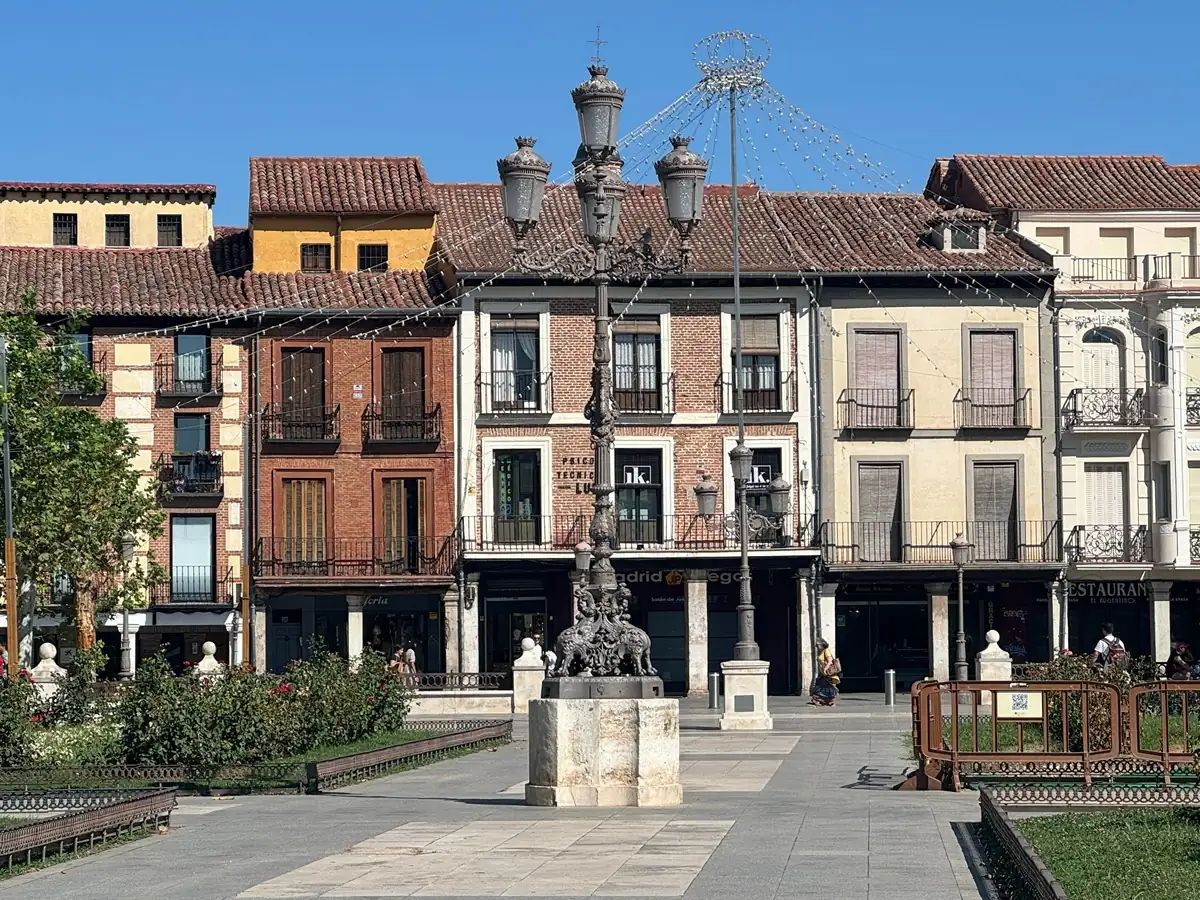
The phenomenon is already reflected in the data. Small localities have grown by up to 16% since 2019, a trend that also extends to medium-sized municipalities. Areas such as Miraflores de la Sierra, El Boalo and Becerril de la Sierra have become regular destinations for those looking for an alternative.
The main driver is the price of housing in the capital. Renting or buying in areas near the M-30 has become unaffordable for many, pushing them to look further away.
Remote working has accelerated this change. Being able to work from home has removed the need to live close to the centre, making it easier to move to quieter environments with more space.
Comunidad de Madrid argues that this growth also responds to active policies to revitalise municipalities. Local investment programmes and service improvements seek to retain the population and attract new residents.
However, many experts and residents point out that housing pressure is the real trigger. The arrival of new inhabitants has also raised prices in the towns, reducing their advantage over the capital.
The effect is already noticeable in everyday life. Municipalities growing quickly must adapt services, infrastructure and educational provision in a short time. At the same time, cities such as Alcalá, Rivas and Valdemoro absorb part of the growth, consolidating themselves as new areas of expansion.
Madrid continues to add population, but its social map is being redistributed. Life is no longer concentrated only in the centre: it moves, expands and redefines the balance between city and outskirts.