
News
Zoo Aquarium and Faunia study how animals react during the eclipse
This 12 August eclipse will also be a scientific experiment in Madrid. Zoo Aquarium and Faunia will observe several of their species to find out how they react to the sudden loss of light and whether they alter their behaviour as if night were arriving.
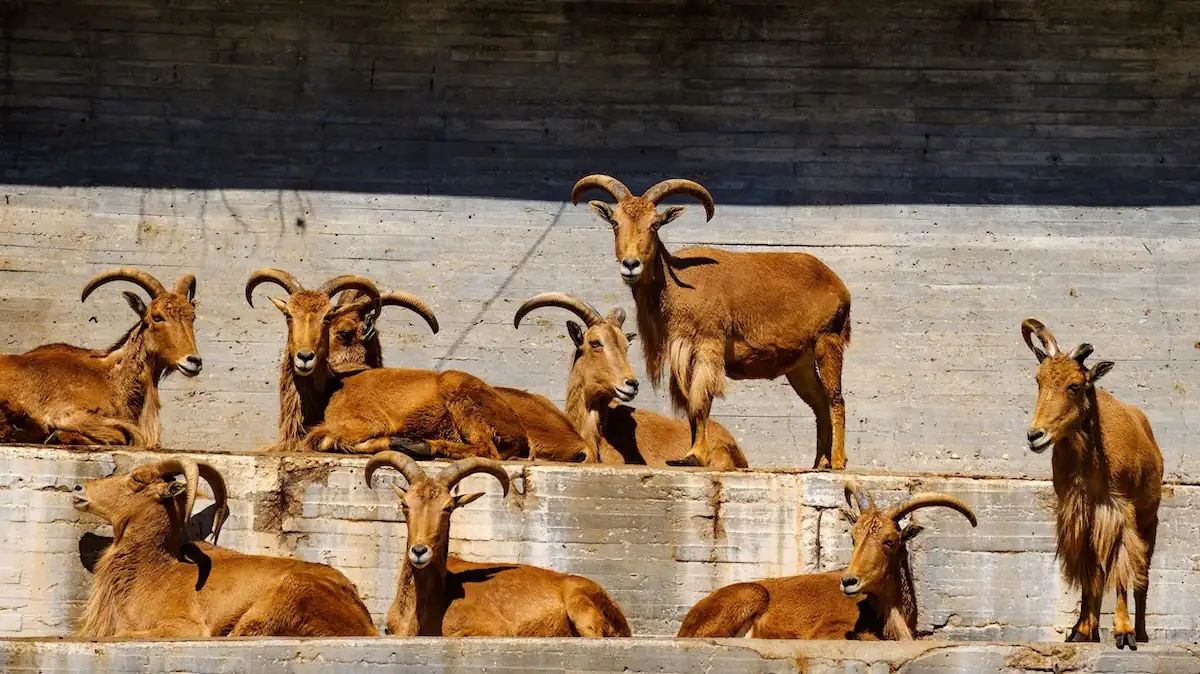
The project is coordinated by the Iberian Association of Zoos and Aquariums and brings together twelve zoological parks in Spain and Portugal. Their teams will record what happens during the minutes of greatest darkness in order to compare the responses of very different animals afterwards.
At Madrid Zoo, the protagonists will be grey wolves, Sumatran elephants and Indian rhinoceroses. Their keepers will watch for possible changes in movement, activity levels, vocalisations or the appearance of behaviours normally associated with night-time rest.
Faunia will do the same with aquatic species. There, South African fur seals, Steller sea lions and manatees will be studied to check whether the sudden drop in light also brings recognisable changes in their routines.
The teams will combine direct observation with recordings made during the eclipse. All the information will then be entered into a common form designed by AIZA, so that researchers can compare what happened at the different zoos and identify patterns among species.
Eclipses have previously made it possible to observe behavioural changes in wild animals, but there are still few systematic studies that compare different species simultaneously. Zoos offer an advantage: their professionals know the usual routines of each specimen and can more easily detect behaviour that is out of the ordinary.
The afternoon of the eclipse will thus offer another view of the phenomenon beyond the sky. While thousands of people in Madrid watch the light diminish, the keepers at the Zoo and Faunia will observe whether elephants, wolves, rhinoceroses, manatees and sea lions interpret those exceptional minutes as the unexpected arrival of night.