
News
Montjuïc strengthens its electricity grid before taking on new uses
Montjuïc is beginning to prepare for a transformation that will not only be seen in museums, homes or new urban spaces. Before the major projects arrive, the area needs something less visible but equally important: an electricity grid able to support much more activity without disruption.
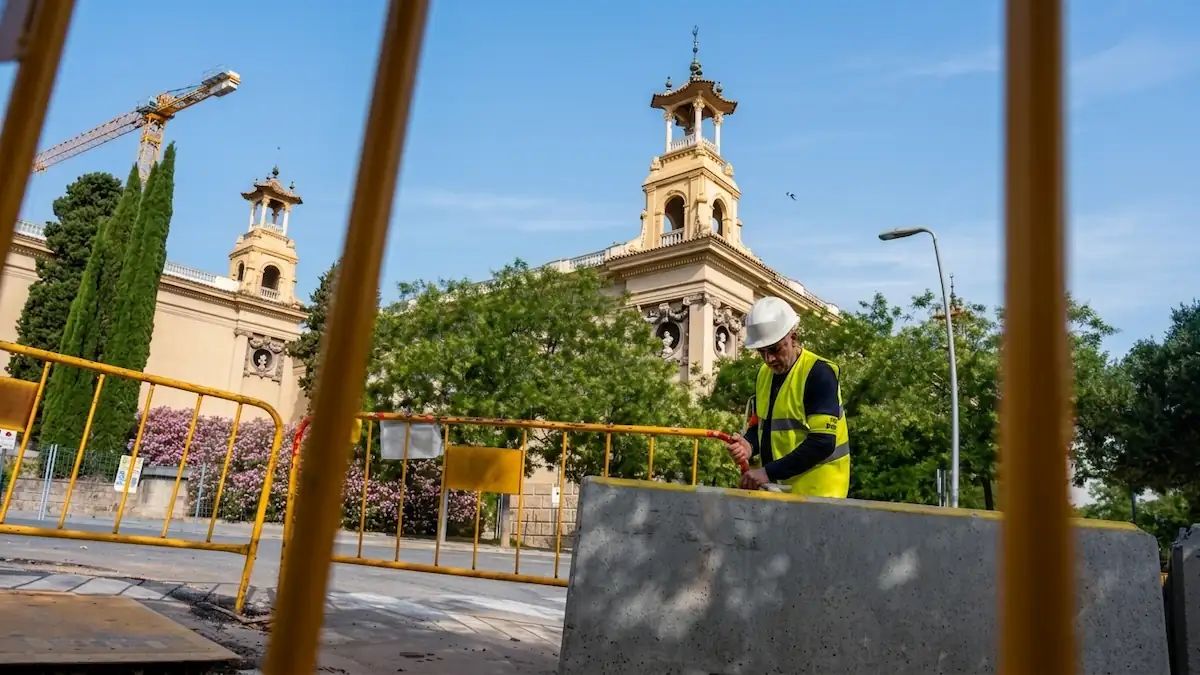
Endesa has begun work to strengthen the electricity supply around Montjuïc and Fira de Barcelona. The project aims to anticipate the increase in energy demand that will come with the expansion of the MNAC, new cultural facilities, more trade fair activity and the future construction of more than 500 public homes beside Paral·lel.
The operation includes new power lines and the relocation of key installations to organise the network more effectively. Although many of the major urban works will still take time to complete, energy infrastructure work is already under way to avoid overloads when the area gains residents, visitors and new uses.
The upgrade matters because Montjuïc will bring together very different functions in the same area. There will be trade fair events with peaks in consumption, museums with specific technical requirements, new public spaces and homes requiring a stable supply all year round.
For residents, this work may seem remote, but it directly affects how the neighbourhood will function in future. A better-prepared network reduces the risk of disruptions, makes it easier to introduce new services and ensures that urban transformation does not depend solely on attractive buildings or major announcements.
The area around Fira is one of the most sensitive points. Activity there can vary considerably according to the calendar of congresses, trade fairs and events. Strengthening the network before energy pressure increases allows the area to accommodate the planned changes more effectively without every new project stretching the existing infrastructure to its limit.
The expansion of the MNAC is also part of this new scenario. The museum wants to increase its presence on the hill and strengthen its cultural role, which will mean more visitors, more services and more consumption associated with climate control, lighting, conservation and public activities.
The future public housing development beside Paral·lel adds another key element. Montjuïc will not just be a space for passing through, leisure or major events: it will also incorporate more residential life. This requires energy to be considered part of everyday life, rather than only as support for cultural facilities.
The transformation of Montjuïc is progressing in layers. Some will be visible in new squares, buildings and routes; others will remain underground or within the electricity network. But all will be necessary for the hill to function as a space more integrated into Barcelona, capable of combining culture, housing, trade fairs and neighbourhood life without running short of energy.