
News
Record January: cold surprises Barcelona in the fifth warmest January globally
January 2026 breaks Barcelona’s warm trend. The planet experiences its fifth warmest January, but the city sees unusual rain and cold. The climate contrast marks the start of the year. Discover how it affects your everyday life.
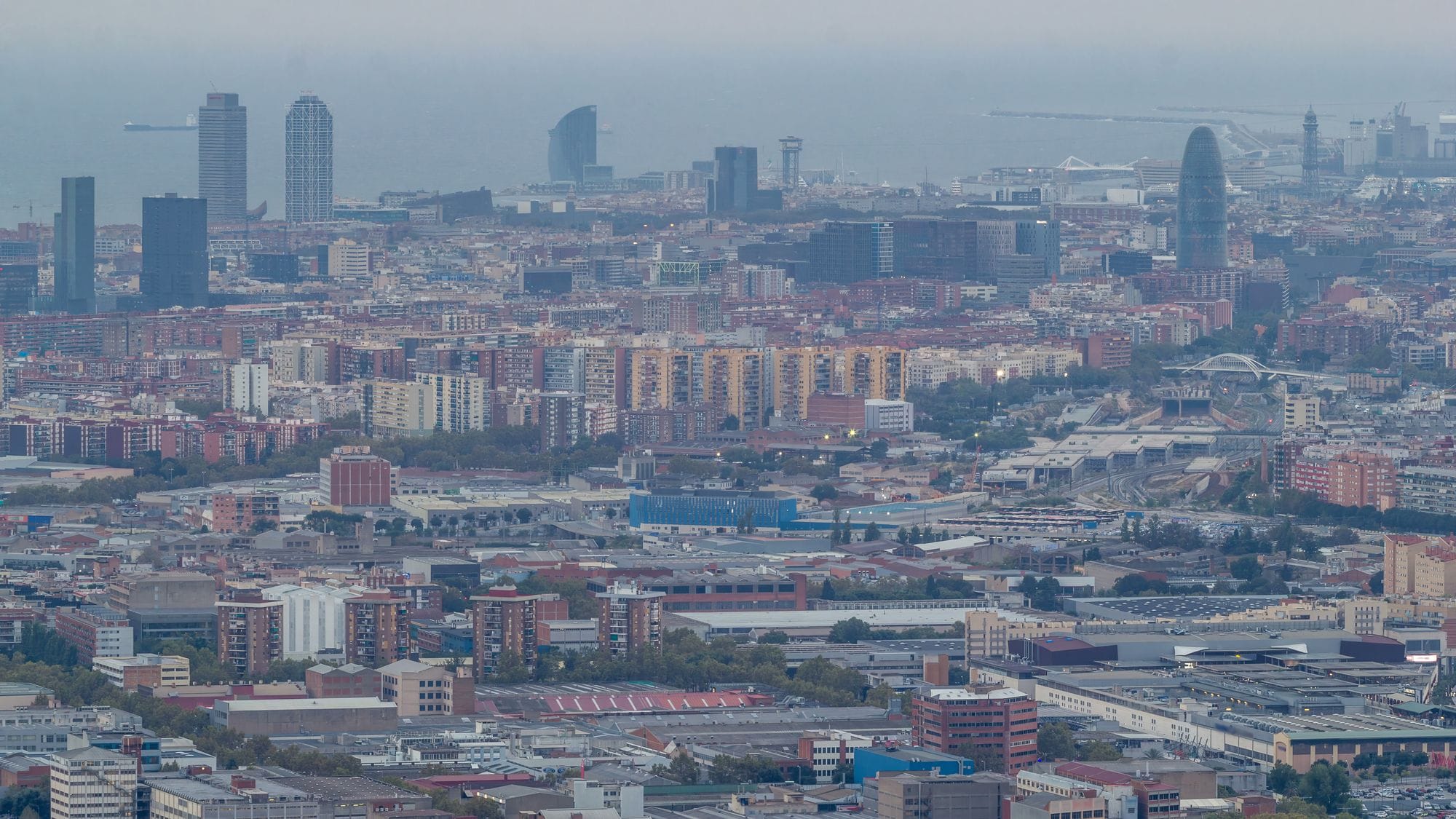
January 2026 breaks the warm trend in Barcelona. The planet is experiencing its fifth warmest January, but the city is seeing unusual rain and cold. This climate contrast marks the start of the year. Find out how it affects your daily life.
The beginning of 2026 has left Barcelona with mixed feelings: while the world records the fifth warmest January in history, the city has had a month marked by cold and rain, ending the streak of high temperatures that had persisted since last March. This unexpected shift in the weather has affected the routines of those living in and moving around the city, forcing people to bring out their coats again and adapt their urban plans to greyer, wetter days.
According to the latest data analysed, the global average temperature for January was 1.47°C above pre-industrial levels. However, the northern hemisphere has seen a stark contrast: intense cold waves have swept across Europa y Norteamérica, driven by a powerful polar jet stream that has brought icy air to many regions. In Europe, January was the coldest since 2010, with an average of -2.34°C, well below what has been usual in recent decades.
In Barcelona, the global trend has not meant warmth, but rather an especially rainy January that has put an end to months of unusually high temperatures. The rainfall has brought back a more typical winter atmosphere to the city, changing the dynamic of terraces, strolls, and outdoor activities. This change has been especially noticeable for those who had already become used to mild, dry winters.
The contrast between global warmth and local cold highlights the complexity of today’s climate. While heat records are being broken elsewhere on the planet, Barcelona has felt the weight of a winter that seemed forgotten. The city, used to weather variability, has had to readjust to short days, overcast skies, and umbrellas always at hand.
This phenomenon affects not only how the weather is perceived, but also urban planning, mobility, and daily life. Shops, hospitality, and events have had to adjust their offerings to an unpredictable January, in which the weather has been the undisputed protagonist.
The Servicio de Cambio Climático Copernicus, responsible for monitoring these trends, has become a key reference for understanding climate swings in Europe and around the world. Its work goes beyond data: it allows for scenario forecasting, anomaly analysis, and understanding how human activity continues to drive global warming, even when cold makes its way into cities like Barcelona. Copernicus’s ability to detect extreme contrasts helps put into context phenomena that might otherwise go unnoticed in the rush of information.