
News
Spain exceeds 10 million foreign residents, setting a new record
The number of people born outside Spain has reached historic figures. Barcelona and other large cities are feeling the impact of this demographic change. The growth is due to the increase in recent migration. Most new residents come from Colombia, Venezuela and Morocco.
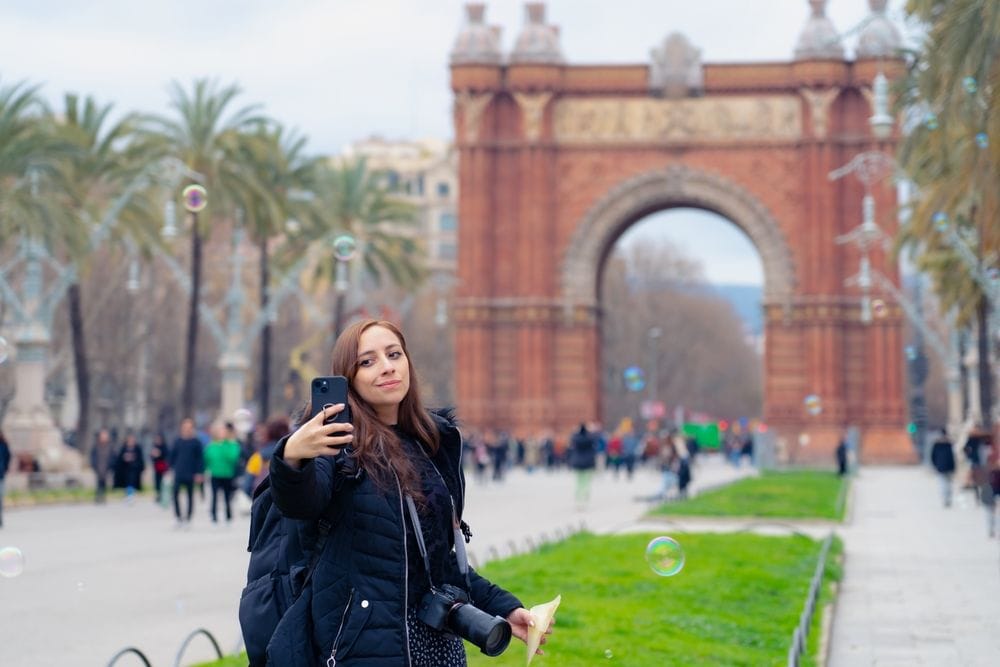
The number of people born outside Spain is reaching historic levels. Barcelona and other major cities are feeling the impact of this demographic change. The growth is due to the increase in recent migration. Most new residents come from Colombia, Venezuela and Morocco.
Barcelona’s pulse changes with every new arrival. For the first time, Spain has exceeded 10 million foreign-born residents, a figure reflected in the city’s streets, neighbourhoods and everyday life. On 1 January 2026, the country reached 49,570,725 residents, the highest figure since official records began.
This growth, adding 442,428 people in just one year, is due almost entirely to migration flows. While the population born in Spain is declining, the presence of new residents is transforming urban dynamics. In recent months, most arrivals have come from Colombia, Venezuela and Morocco, with 36,000, 27,000 and 22,000 people respectively.
The impact of this change is particularly noticeable in cities such as Barcelona, where cultural diversity is reflected in markets, schools and public transport. Living together and adapting become challenges and opportunities both for those who were already there and for those who have just arrived.
This trend is expected to continue over the coming months, reshaping the city’s social and economic map. Neighbourhoods most open to diversity are undergoing rapid transformation, while public services adjust their response to the new demographic reality.
International migration has historically been one of the drivers of change in Spain’s major cities. In Barcelona, the arrival of people from different backgrounds has enriched the cultural offering, gastronomy and social fabric. Far from being new, this diversity is part of the city’s contemporary identity and poses new challenges for integration and living together.