
News
FGC returns Sant Gervasi's glass canopy lost in 1960, with works until 2026
FGC's Sant Gervasi station is being refurbished to restore the glass canopy removed in 1960, strengthen the entrance-building structure and return part of its historic appearance to the area around Plaça de Molina.
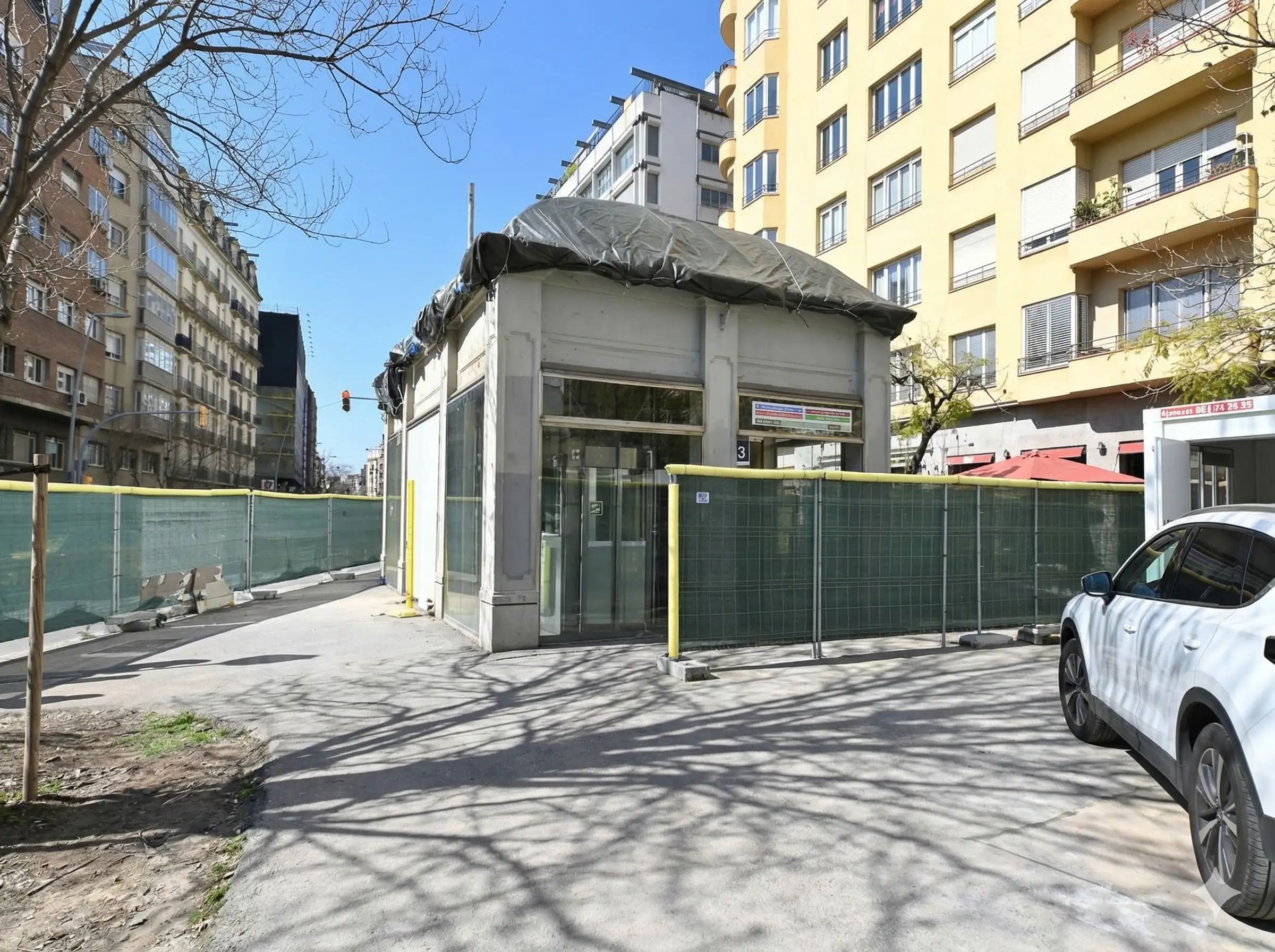
Sant Gervasi FGC station has begun a comprehensive refurbishment. Its glass canopy removed in 1960 will shine again. The works seek to restore its historic appearance and improve the structure. The project will end in October 2026. The budget exceeds 670,000 euros.
People passing through Sant Gervasi will soon see one of its most emblematic corners recover part of its history. The Ferrocarrils de la Generalitat (FGC) station is undergoing a major refurbishment that will return to Plaça de Molina the glass canopy that disappeared in 1960. This intervention will not only transform the appearance of the surroundings, but will also improve safety and the experience of people who use the station daily.
The works, already under way, aim to restore the original edicule inaugurated in 1931. Time had deteriorated both the structure and façade, altering its original appearance. Now, in addition to reinforcing the building’s stability, roof leaks will be eliminated and new glass will be installed with modern fixing systems, respecting the historic design while adapting it to current needs.
The Generalitat expects the works to conclude in October 2026, with investment close to 670,000 euros. The intervention will enable the station to recover the splendour of its early years and residents to rediscover an architectural element that forms part of the neighbourhood’s collective memory.
The Departament de Territori stresses the importance of preserving such details, which reflect how Catalans lived and travelled in other periods. Although this is a modestly sized intervention, it is considered key to improving users’ daily experience and reinforcing links with local heritage. For its part, FGC management stresses the need to champion and disseminate the historic value of infrastructure such as this.
Sant Gervasi station, with its renewed canopy, aims once again to become a reference point for the neighbourhood and an example of how the city can recover its past without relinquishing functionality and modernity.
Sant Gervasi station is much more than a simple transit point on the Ferrocarrils de la Generalitat network. Its edicule, inaugurated in 1931, witnessed the area’s urban transformation and the growth of suburban transport in Barcelona. The glass canopy, a symbol of an era of modernisation, made a difference in the urban landscape until its removal in the 1960s. Today, its recovery responds not only to aesthetic criteria but also reinforces the identity of a neighbourhood that values its history and architectural heritage.
Tendered June 2025; first structural intervention since 1931; Barcelona–Vallès line.