
News
The wildfire emergency disrupts roads and buses in Madrid
The wildfires affecting the west of the Comunidad de Madrid have already forced the evacuation of around 25,000 people and the confinement of thousands more. The emergency is impacting numerous municipalities, has kept several roads closed, and has required the reorganisation of bus routes and healthcare services.
The different fire fronts have joined into a single large front, still out of control. Evacuations have reached towns such as Villa del Prado, San Martín de Valdeiglesias, Pelayos de la Presa, Aldea del Fresno, Chapinería, Navas del Rey, Colmenar del Arroyo, Robledo de Chavela and Fresnedillas de la Oliva.
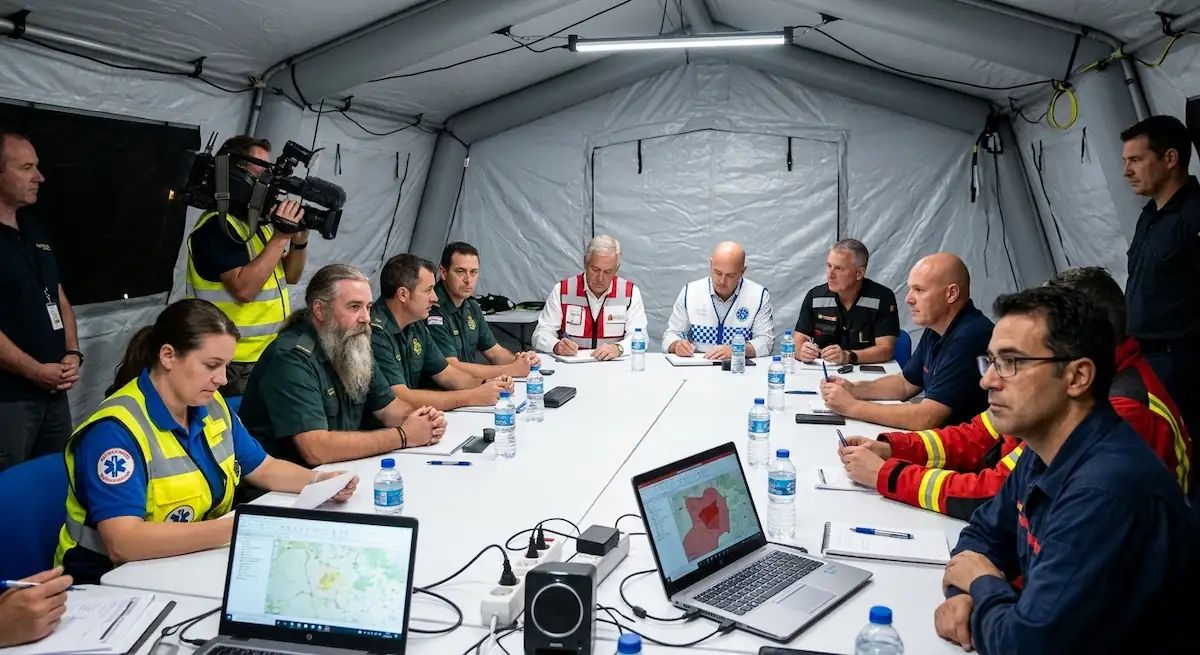
The declaration of an emergency of national interest has placed the Ministry of the Interior in charge of coordination. The Military Emergencies Unit is directing the operation on the ground and working alongside regional firefighters, the Guardia Civil, Civil Protection and resources arriving from other regions.
Mobility remains severely constrained in Sierra Oeste. There are closed stretches on roads such as the M-507, M-540, M-501 and M-541, while authorities are asking people to avoid travelling to the area so as not to block routes used by firefighting and evacuation teams.
The service on several intercity lines, including 541, 545, 546, 547 and 548, has also been temporarily suspended. At the same time, buses mobilised by the Regional Transport Consortium are transporting residents who do not have their own vehicle or need to leave care homes and assistance centres.
Sports centres and municipal buildings in different municipalities are operating as reception points. Entire families have arrived with documents, medicines, improvised bags and pets, still not knowing when they will be able to return to their homes.
The regional health network remains reinforced and has at least 600 beds ready for possible evacuations or transfers. Hospital Enfermera Isabel Zendal is acting as a support facility, while health centres and hospitals coordinate care for vulnerable people in the affected areas.
Smoke is already reaching different parts of the region and may worsen respiratory problems, especially among older people, children and people with pre-existing conditions. Recommendations are to close windows, reduce outdoor activity and follow official notices only.
The scene leaves semi-empty towns, blocked roads and buses turned into evacuation vehicles. As long as the wind continues to hamper firefighting efforts, the priority will remain to move the population away from the flames and keep emergency access routes clear.