
News
Prevent engine overheating in Spain with proper maintenance
Most drivers ignore engine oil until the temperature warning light comes on, but preventive maintenance with the right lubricant can help you avoid costly breakdowns and dangerous situations on the road.
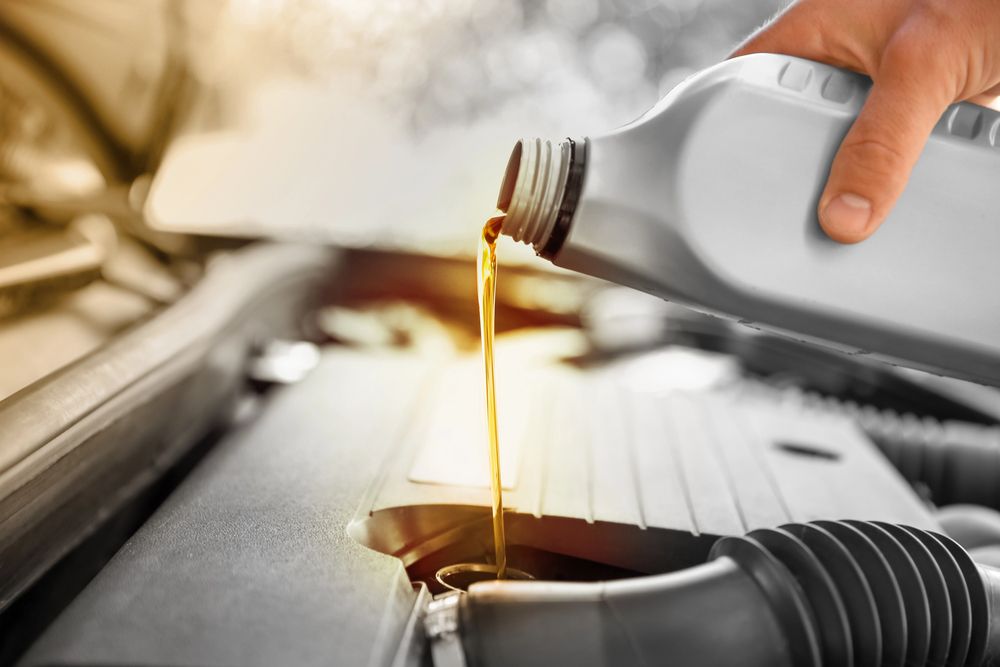
To prevent overheating, it is essential to check the coolant level every month, change the oil at the recommended intervals (every 10,000–15,000 km), inspect radiator hoses for cracks and verify that the fan works correctly. In high-performance vehicles, using specific quality oil is crucial to maintain the optimum engine temperature.
Preventive maintenance also includes checking the thermostat every 50,000 kilometres, making sure there are no radiator leaks and ensuring that the water pump is in good condition. During the summer months in Spain, when temperatures exceed 40 degrees, it is advisable to check the cooling system before long journeys. Engine oil plays a fundamental role in thermal regulation, as it lubricates moving parts and absorbs some of the heat produced by internal friction, especially in high-performance engines where demands are greater.
The importance of oil in thermal regulation
A study carried out by Yuri Gagarin Saratov State Technical University in Russia revealed that operating factors, such as maximum speed and high loads, can affect engine-oil ageing and consumption. These factors are especially relevant in high-performance vehicles such as Mercedes models, where engine oil plays a crucial role in regulating engine temperature. High-quality engine oil helps dissipate heat generated during engine operation, preventing overheating and ensuring optimum performance.
Engines in vehicles such as Mercedes require approved Mercedes engine oil or lubricants that meet demanding technical specifications to ensure appropriate protection. These engines operate at very high temperatures and need specific lubricants that retain their properties under extreme conditions. Degraded oil loses its ability to form a protective film between metal parts, increasing friction and internal heat.
Maintenance intervals according to type of driving
Preventive maintenance depends on how you use your vehicle. The following table shows the recommended intervals for different driving conditions:
In urban conditions with heavy traffic, where the engine operates at a higher temperature, the oil degrades more quickly and needs changing every 10,000 kilometres. For high-performance vehicles, this interval is reduced to 8,000 kilometres because of the greater thermal stress to which the engine is subjected.
RIDEX is known for its high-quality car parts, including engine oils, which play a fundamental role in regulating your car’s temperature. To prevent engine overheating in high-performance vehicles such as Mercedes models, it is essential to use the appropriate engine oil to ensure optimum lubrication and heat dissipation. RIDEX engine oil is designed to maintain the optimum engine temperature, which helps prevent overheating and ensures long-lasting engine performance.
What to do if your engine overheats
‘It is very important to know what to do if your car overheats so that you can respond to a situation that could pose a danger to your own safety. When this problem arises, first you will have to park the car or pull over onto the hard shoulder and mark it appropriately. Then, once the engine has cooled, you will have to assess whether you can solve the problem yourself or whether it would be better to go to a mechanic,’ writes AUTODOC.
This infographic summarises the five essential steps every driver should follow. The most important thing is to respect the 30-minute waiting time before checking the coolant, because the system is under pressure and the liquid can reach temperatures above 100 degrees Celsius. Detecting the initial signs (the temperature warning light coming on or steam coming out of the bonnet) and stopping the vehicle safely are actions that can prevent serious engine damage.
If you detect the temperature warning light or steam coming out of the bonnet, never open the radiator cap immediately. The liquid is under pressure and can cause serious burns. The 30 minutes of cooling are crucial for internal pressure to decrease so that you can check the coolant level safely.
List of sources: This article is based on information from Yuri Gagarin Saratov State Technical University and AUTODOC.
Frequently asked questions
How often should I change engine oil to prevent overheating?
The frequency depends on your driving style. In the city with heavy traffic, change the oil every 10,000 kilometres, whereas on the road under normal use you can extend the interval to 15,000 kilometres. For high-performance vehicles such as Mercedes models, reducing the interval to every 8,000 kilometres is recommended because of the greater thermal stress on the engine.
What should I do immediately if I see the temperature warning light?
Stop the car safely, pull over onto the hard shoulder and mark the vehicle appropriately. Wait at least 30 minutes before opening the bonnet, because the cooling system is under pressure and the liquid can cause serious burns. After it has cooled, check the coolant level and assess whether you need mechanical assistance.