
News
Barcelona relocates Vallcarca families to Casa Orsola after months of uncertainty
The Ayuntamiento de Barcelona has begun relocating Vallcarca residents affected by the urban development plan. Casa Orsola has become a key refuge for vulnerable families. Institutional mediation has been decisive. The process still leaves some cases unresolved.
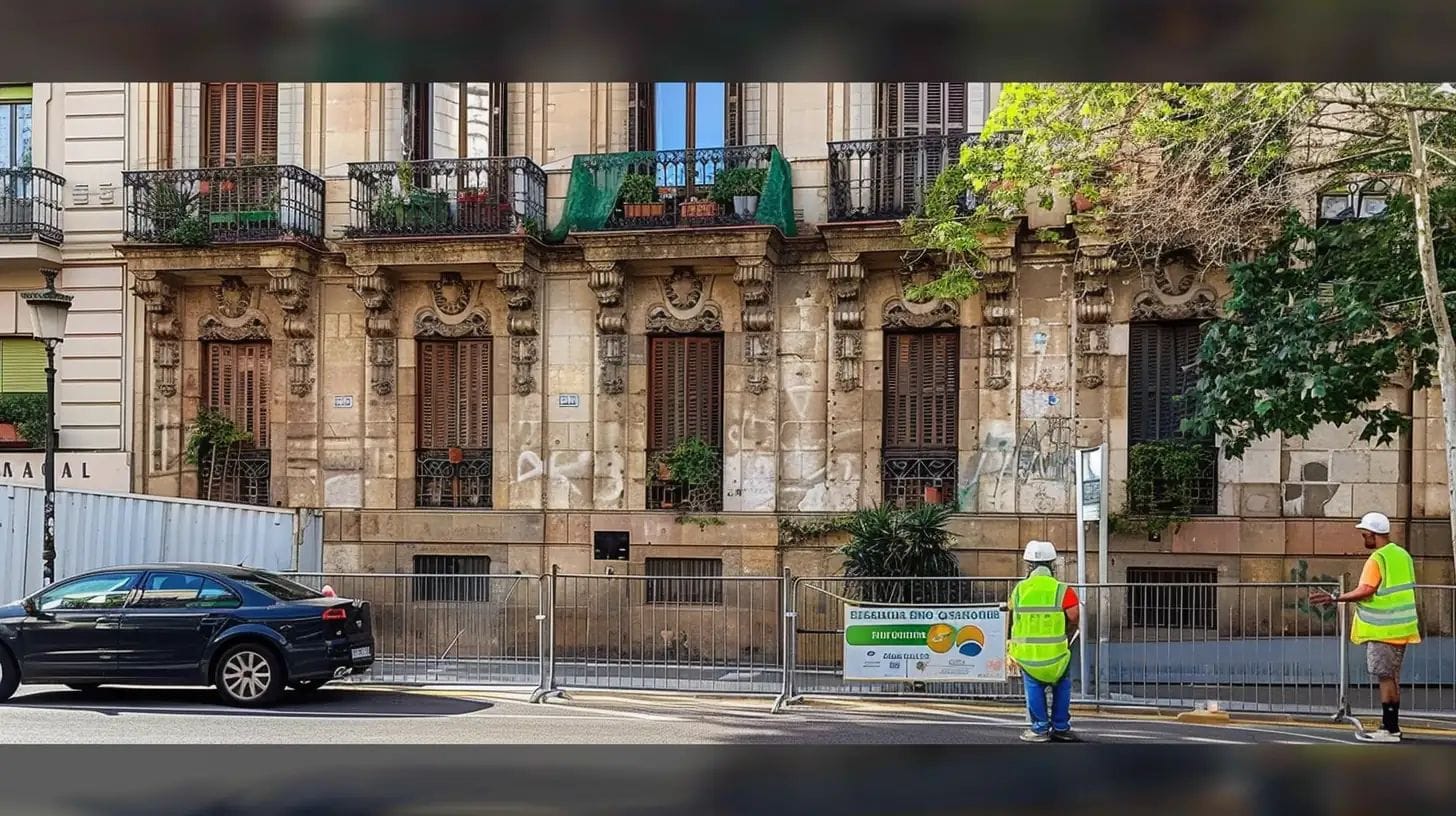
Barcelona City Council begins rehousing Vallcarca residents affected by the urban development plan. Casa Orsola becomes a key refuge for vulnerable families. Institutional mediation has been decisive. The process still leaves cases pending.
The future of several Vallcarca families is changing course after Barcelona City Council’s decision to relocate them to Casa Orsola, a building that has become a symbol of resistance for the right to housing in the city. The measure comes after months of uncertainty for those living irregularly in municipal properties affected by the neighbourhood’s urban development.
The operation, unprecedented in Barcelona until now, has been made possible by the joint acquisition of the building by the council and Fundación Habitat 3. This action has prevented the residents’ immediate eviction and has made it possible to design a safe rehousing plan, especially for those facing economic or social vulnerability.
The intervention of the Síndic de Greuges, David Bondia, has been decisive. For the past six months, Bondia has led mediation between the parties after receiving the official commission from the City Council. The process involved analysing, case by case, the situation of the 30 people occupying three municipal buildings: an industrial warehouse on Farigola street and two blocks on Vallcarca avenue.
Of those affected, 28 have been recognised as entitled to social inclusion housing. However, only half have accepted the rehousing proposal, which entails moving to different neighbourhoods in Barcelona, as no flats are immediately available in Vallcarca. Among those rehoused is a large family that will move into Casa Orsola, while others will relocate to Torre Baró and the Gòtic.
The process has also involved neighbourhood organisations such as Som Barri and the Secretariado del Pueblo Gitano, which have supported the negotiations and the search for housing alternatives. Meetings have taken place at different points around the city and in municipal premises, with the aim of finding solutions tailored to each case.
On the other hand, 14 people have rejected the rehousing offered, including several families with minors and older people. The Síndic de Greuges considers its intervention at this stage closed, although it trusts that the open dialogue will facilitate future agreements for those who have not yet accepted relocation.
Casa Orsola, located in the heart of Barcelona, has gone in a few years from being a building threatened by speculation to becoming a benchmark for neighbourhood struggle over access to housing. Its recent history is marked by the mobilisation of its inhabitants and the support of social organisations, which managed to halt eviction attempts and encourage the public purchase of the property. Today, Casa Orsola represents a real alternative for vulnerable families and an example of how institutional and citizen collaboration can transform the destiny of a neighbourhood.
Barcelona City Council has begun rehousing some of the Vallcarca residents affected by the urban development plan, using Casa Orsola for the first time as a destination for vulnerable families. Of the 30 people assessed, 28 are entitled to inclusion housing, but only 14 have accepted the relocation proposals to Casa Orsola, Torre Baró and the Gòtic, while negotiations remain open for the rest.
The operation is the result of six months of mediation by the Síndic de Greuges, David Bondia, following an explicit commission from the City Council, and is considered an unprecedented solution that combines public purchase, collaboration with Habitat 3 and support from neighbourhood organisations such as Som Barri and the Secretariado Gitano. Although the Síndic’s intervention is considered closed, it is stressed that the “bridges” created should serve to find alternatives for those who still reject rehousing, in a context of intense property pressure and a lack of available housing in Vallcarca.
The future of several Vallcarca families takes a turn with the start of rehousing at Casa Orsola, a building that has become a symbol of the struggle for decent housing in Barcelona. After months of uncertainty and the threat of eviction, the City Council and Fundación Habitat 3 have achieved an unprecedented solution that avoids leaving the most vulnerable people without an alternative.
The mediation of the Síndic de Greuges has been key to moving from conflict to agreement, reviewing one by one the cases of the 30 people affected by the urban development plan. Even so, the story is not closed: half have accepted rehousing, but there are residents who still hesitate between leaving the neighbourhood or continuing to resist.