
News
February breaks heat records in Barcelona and winter disappears
Barcelona is experiencing an unusually warm February for the eighth consecutive year. The cold is barely felt and the city is experiencing temperatures more typical of spring. Traditional winter seems to be fading away. Discover how this affects everyday life.
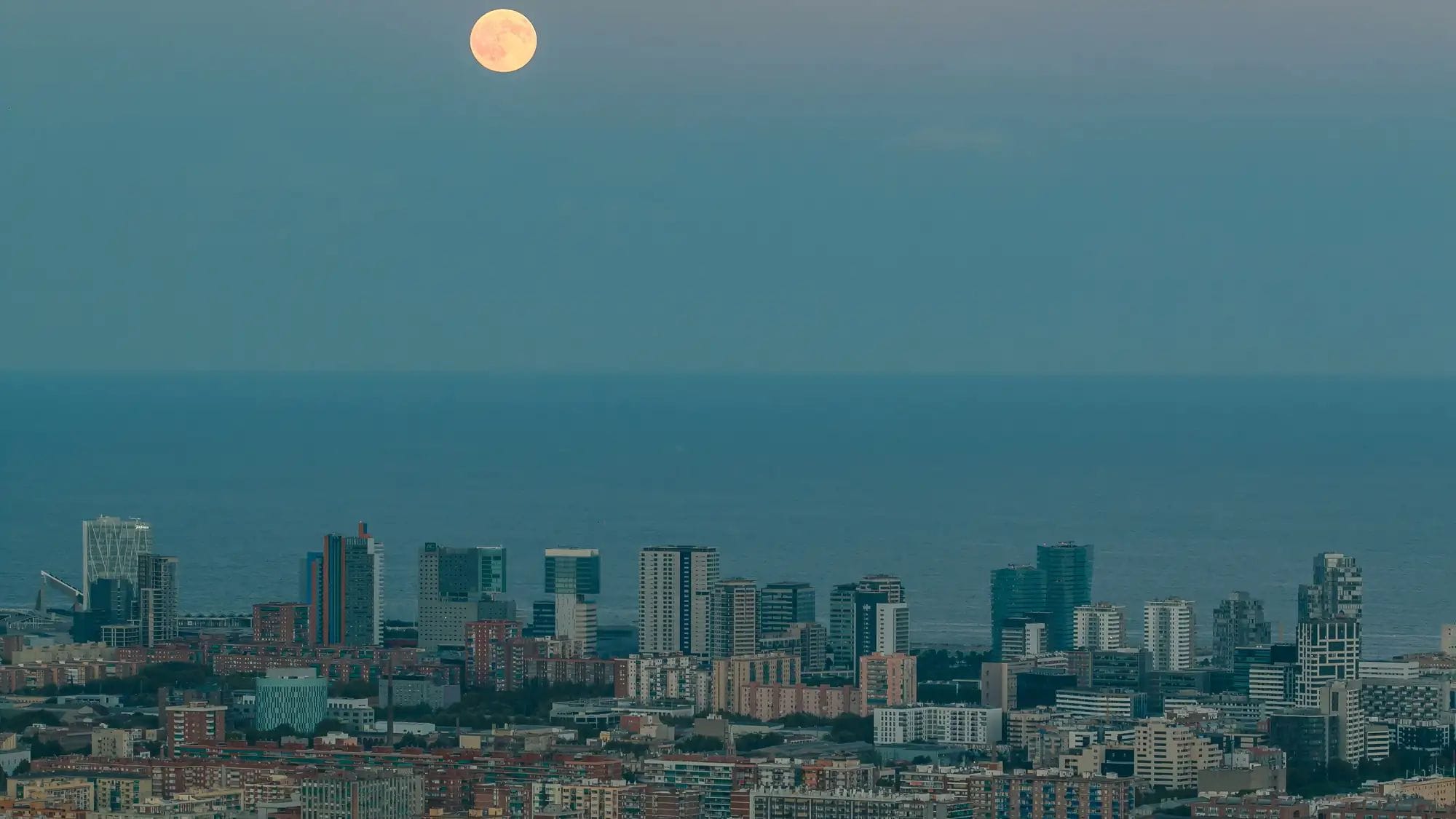
Barcelona is experiencing an unusually warm February for the eighth year in a row. The cold is barely felt and the city is experiencing temperatures more typical of spring. The traditional winter seems to be fading away. Find out how this affects day-to-day life.
Winter in Barcelona seems to have vanished. February, the month that used to bring scarves and coats, has become an early extension of spring. For the eighth consecutive year, the city is experiencing temperatures that far exceed what is usual, altering the routines and perceptions of those who live and work here.
The February average in the city, according to the most recent records, is around 9.4 ºC. However, since 2018, a genuinely cold February has not been felt again. That year, the average temperature fell to 6.7 ºC and snow surprised both the centre and the beaches. Since then, thermometers have not stopped rising, and the memory of the last snowfall is fading among sunny, mild days.
The most extreme case was 2024, when the monthly average reached 13.4 ºC, a figure more typical of April than midwinter. This February 2026 is not far behind either: with one week to go, the temperature is already two degrees above average. Although it will not equal the absolute record, it is shaping up as one of the warmest Februaries in the historical series.
That does not mean that the cold has disappeared completely. From time to time, an isolated day recalls winters of old. In 2023, for example, an incursion of icy air brought snow to Collserola and the upper neighbourhoods, marking the coldest day of the last eight years. However, these episodes are increasingly scarce: only 10% of February days between 2019 and 2026 have recorded temperatures equal to or below average, while more than 15% have reached values typical of April.
This February, only one day has fallen slightly below average: Friday the 13th, with rain and a minimum anomaly of -0.2 ºC. By contrast, half the days have exceeded normal values by more than 2 ºC, and in some cases the difference has come close to 6 ºC. Now, a week of anticyclonic conditions and spring-like weather rounds off a month that, although it has met expectations for rain, has left the cold entirely aside.
The trend is clear: every year, February moves further away from winter and closer to spring. The change is noticeable in clothing, full terraces and the way the city experiences the season. Winter, as we knew it, is reduced to memories and the occasional isolated day of intense cold.
Observatorio Fabra, located on the slope of Tibidabo, is one of Barcelona’s oldest meteorological references. For more than a century, its records have made it possible to compare the evolution of the city’s climate and detect trends such as the sustained rise in temperatures. Its data, in addition to being a thermometer of everyday life, help to understand how climate transforms the urban experience and Barcelona residents’ relationship with their surroundings.