
News
End to more than a year of strike: Madrid’s forest firefighters reach an agreement
More than 450 forest firefighters working for the Community of Madrid through the public company Tragsa have ended a strike lasting more than a year. The agreement signed this Thursday includes a 20% pay rise, employment for all 12 months of the year and new workplace-protection measures.
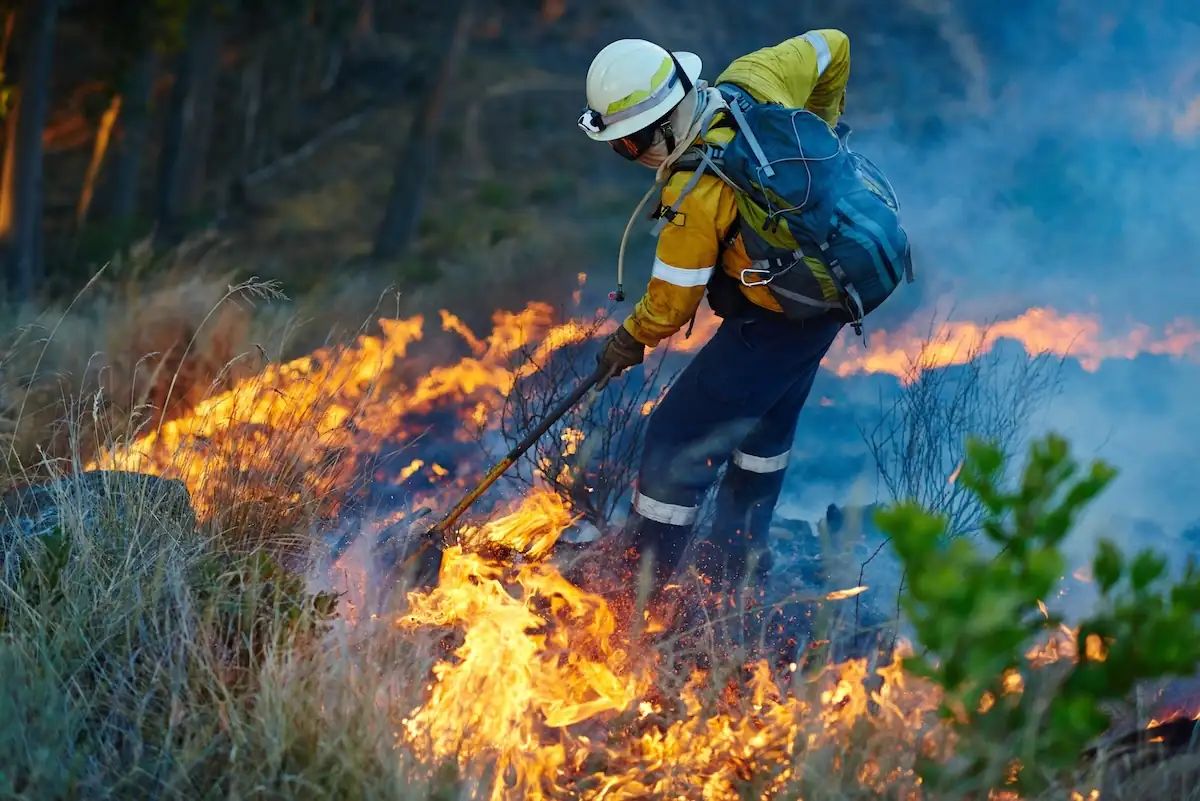
The pay improvement will come through two new additions to payroll. Until now, a large part of the workforce worked only during the period of greatest fire risk and spent the rest of the year as permanent seasonal staff. The agreement transforms the operation into a stable service throughout the year, which will also make it possible to maintain prevention work outside the summer.
The change directly affects one of the main arguments of the protest. Workers complained that a model concentrated in a few months made tasks such as clearing undergrowth, maintenance and prevention more difficult before the fire season arrived. The indefinite strike began in July 2025, although the first demonstrations dated back to February of that year.
The agreement also includes work-life balance mechanisms and specific protection measures against carcinogenic agents. Workers are also now recognised in employment terms as forest firefighters, rather than retaining categories linked to forestry labourers.
The conflict, however, is not completely closed. The workforce continues to demand direct management of the service by the Community of Madrid, rather than through Tragsa, and still calls for supplements related to danger, hardship, toxicity, availability and length of service.
There is also a second employment situation that should be distinguished. Another 61 forest firefighters depend directly on the regional administration and are not included in this agreement. That group has maintained a strike that has already lasted more than three years and is demanding similar improvements, as well as the filling of around 60 posts that are currently vacant.
According to their representatives, that workforce should have 124 personnel and currently has 61. The Community of Madrid maintains, for its part, that it has proposed progressive pay improvements of up to 15% and assures that it will continue seeking an agreement, a version questioned by the workers, who report more than 800 days without effective negotiation.
The agreement signed with Tragsa does close one of the most prolonged recent labour mobilisations in Madrid’s emergency services. From now on, the main change will be felt outside the summer: the more than 450 personnel included in the agreement will be able to remain working throughout the year in prevention and firefighting, instead of concentrating their activity in just a few months.