
News
The Tour de France makes Granollers a historic starting point towards Les Angles
This Monday 6 July, Granollers will experience a day that will be hard to repeat. The city will be the starting point for the third stage of the 2026 Tour de France, an event that will take the peloton from Vallès Oriental to Les Angles, already in French territory, in one of the race’s first serious mountain tests.
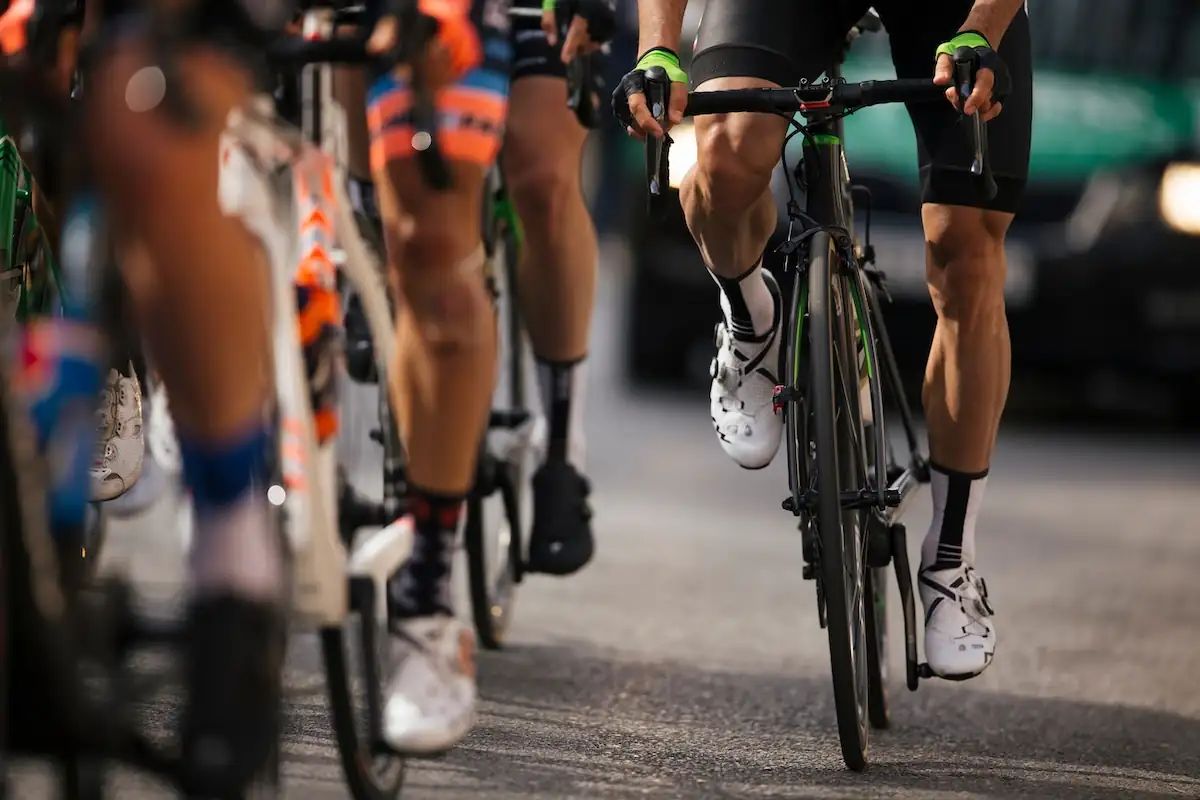
After several days with Barcelona as the great showcase of the Grand Départ, Granollers will take over and become the focus of world cycling. For residents, businesses and visitors, the day will bring a festive atmosphere, mobility restrictions and the opportunity to see some of the best riders on the planet up close.
The start will take place on Ramon Llull Street, from where the cyclists will begin a neutralised route through the city. It will be a slow ride, designed so the public can get close to the spectacle before the stage enters its competitive rhythm.
The urban route will pass through some of Granollers' most recognisable streets, such as Joan Prim, Anselm Clavé, Alfons IV, Francesc Macià i Llussà, Cristòfol Colom promenade, Sant Esteve Avenue and Girona Street, before leaving the municipality through the Can Mònic area.
That route turns the centre into a great cycling viewpoint. It will not be only a technical start, but a way of showing the city to the world: façades, squares, businesses, main streets and urban life working for a few hours to the rhythm of the Tour.
The stage will be long and demanding. The route to Les Angles is around 196 kilometres long and crosses inland Catalunya before entering the Pyrenees. For the teams, it will be the first major warning that the Tour has already left behind its presentation and urban postcards.
After leaving Granollers, the peloton will travel through Vallès Oriental and continue towards inland Catalan areas before tackling the hardest part of the day. The mountains will begin to weigh in the second half of the route, with climbs that may start to create gaps between favourites.
Col de Toses will be one of the major demanding points. It will be joined by Col du Calvaire and the final uphill finish at Les Angles, a closing stretch that can give prominence to climbers, attackers and teams ambitious to move the race early.
For Granollers, the day will also have a city dimension. The Tour's departure will attract visitors, media, teams, organisation vehicles and supporters, with a direct impact on mobility, hospitality and local trade.
Those who want to come along should do so with time to spare. The streets on the urban route will be affected by the set-up, barriers, security controls and the presence of the public. The most practical recommendation will be to arrive on foot, by public transport or by bicycle whenever possible.
The event fits with Granollers' sporting tradition, a city accustomed to major events and strategically located within the metropolitan area. Its role as the capital of Vallès Oriental makes it a natural point of connection between Barcelona, inland Catalunya and the routes towards the Pyrenees.
The Tour also offers a different image of the territory. After the coast and Montjuïc, the race will show another Catalunya: that of medium-sized cities, inland roads, transit counties and the mountains that begin to determine the character of the event.
The organisation is still awaiting the evolution of the fires in southern France, which could affect the development of the stage if safety conditions change. For now, Granollers is maintaining its preparations for a start that is already part of the summer's major calendar.
If everything continues according to plan, on Monday the city will change its routine for a few hours. Where there is normally traffic, shopping and everyday travel, there will be bicycles, teams, cameras and supporters awaiting the peloton's passage. Granollers will not only be the starting point: it will be the gateway through which the Tour leaves Catalunya for the Pyrenees.