
News
Practical Guide to Discovering Urban Art in Madrid
You have walked along Paseo del Prado. You have seen Goya and Velázquez. You also know Reina Sofía. But the city holds another museum: the streets. There are large murals, accomplished graffiti and small stickers with brilliant ideas. What do those works tell? How can you find Madrid's contemporary and rebellious pulse?
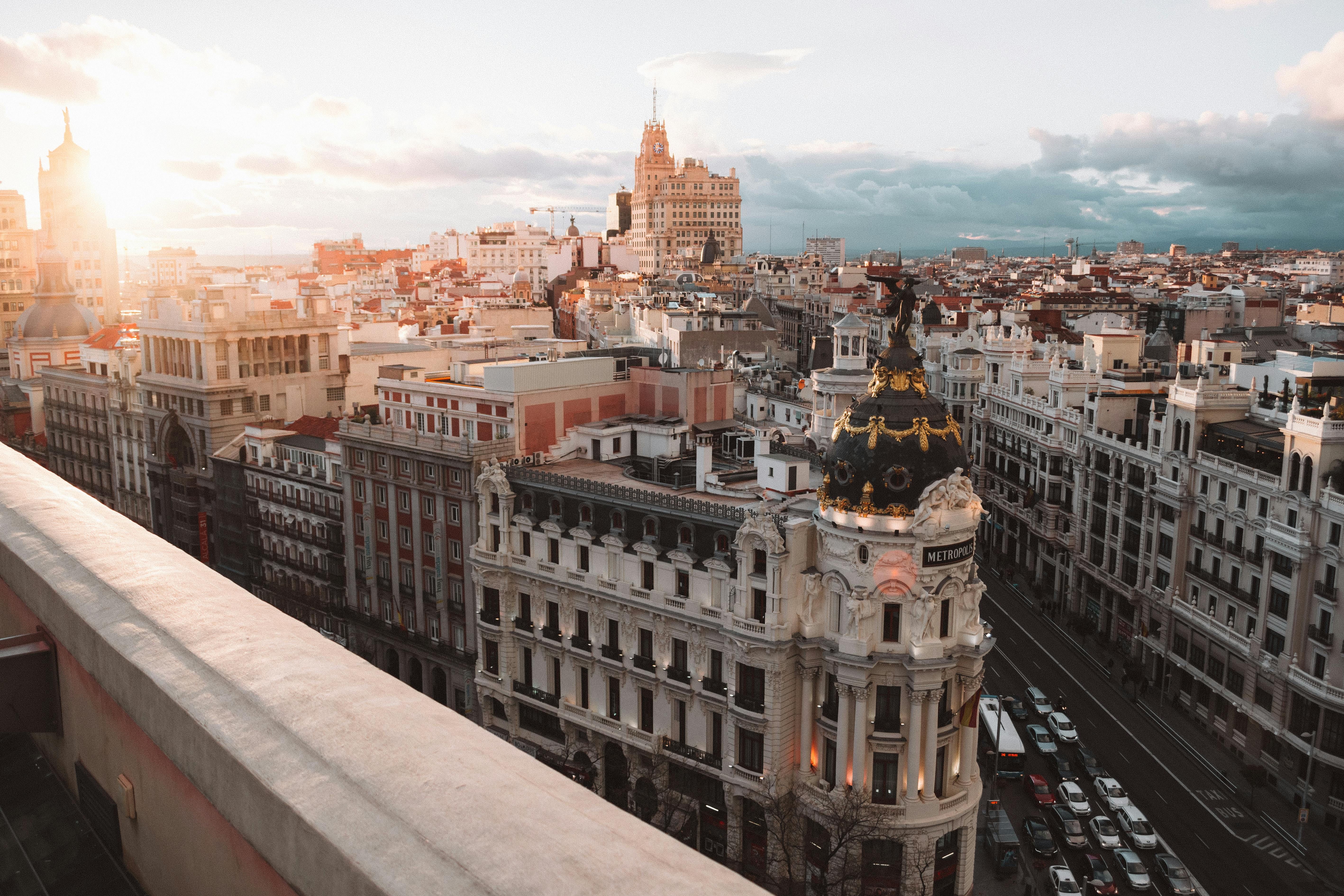
This guide explains Madrid’s urban art in clear language. You will see key neighbourhoods, important artists and events that make Madrid a capital of street art. Get ready to look at the city with different eyes.
Why is Madrid an Urban Art Paradise?
Madrid mixes history and modernity on every corner. That mixture creates ideal ground for street art. What used to be seen as vandalism is now recognised as a form of expression. Urban art revitalises streets, conveys social messages and makes the city more attractive.
The city does not merely tolerate it. Many initiatives and festivals promote it. That attracts local and foreign talent. The result is an open-air museum that changes and renews itself. A work can appear on a wall and disappear months later. That is why every walk feels different.
Urban art is also accessible. There is no need to pay admission. It can be seen from the pavement. And that makes Madrid a place to discover without a rigid plan.
The Multicultural Heart of Street Art
When people think of urban art, Lavapiés usually comes up first. Its streets reflect the neighbourhood’s cultural mix. Its walls speak as though they were loudspeakers for the neighbourhood. Walking here is like reading a book of contemporary art.
CALLE Lavapiés as a Permanent Visual Festival
The annual CALLE Lavapiés festival is one of the most eagerly anticipated. For a few weeks, businesses give more than 50 artists their façades and shop windows. Colour floods the neighbourhood and many works remain for months. Although the festival has dates, its interventions usually last longer.
Artists such as Okuda San Miguel, Suso33 and Gviiie have left their mark. Strolling along Argumosa Street or Lavapiés Street becomes a constant discovery. There are very large pieces and smaller ones, all with personality.
La Tabacalera de Lavapiés
La Tabacalera is a self-managed space in a former tobacco factory. Today it is a living cultural centre. Its exterior walls change frequently and are full of murals. Admission is free and the place is very dynamic.
You can see realistic graffiti and abstract works. National and international artists intervene regularly. La Tabacalera is one of Europe’s most important urban-art galleries. Very close by.
Muelle’s Wall of Fame
On Montera Street, a piece of Madrid’s graffiti history remains. There is the signature of Muelle (Juan Carlos Argüello), a pioneer of Madrid graffiti in the 1980s. His signature, with a spring at the end, has become a generational symbol. The city looks after that tribute.
The Territory of Counterculture
Malasaña retains the spirit of the Movida Madrileña. That rebellious character remains alive in its urban art. Stencils, stickers and small pieces full of irony and criticism predominate here. The intervention is less monumental and closer at hand.
Strolling through Plaza del Dos de Mayo, Calle de la Palma or Corredera Baja de San Pablo is an exercise in attention. Look at doors, shutters and utility boxes. The works are often in unexpected places.
Artists such as Por Favor, with kind messages, and the rabbits of NSN997 are already part of the landscape. In addition, every year Malasaña hosts Pinta Malasaña, a one-day festival where hundreds of artists paint shop windows and shutters live. It is an ephemeral and spectacular gallery.
Beyond the Typical Neighbourhoods
Lavapiés and Malasaña are famous, but urban art extends throughout the city. It is often used to regenerate areas and give them a new identity.
In Tetuán, the project “Paisaje Tetuán” has filled party walls and walls with large-format works. Artists such as San, E1000 and Spok Brillor have changed the appearance of streets such as Marqués de Viana. The neighbourhood gained colour and attention.
Further south, in Villaverde, the project “Distrito de Villaverde” promotes large-scale murals that act as landmarks. The idea is to create an open-air museum that energises the neighbourhood. One of the most photographed murals is by the international artist Ron English.
These interventions show that urban art can transform places and attract visitors. You probably did not expect to see so much colour outside the centre.
Practical Tips for Your Urban Art Route
Exploring street art in Madrid is a fun adventure. Here are simple recommendations for making the most of it.
Comfortable footwear: you are going to walk a lot. Madrid invites you to explore on foot and many works are in alleyways.
Look everywhere: not only ahead. Art can be on the ground, on a sign, on a rooftop or on the shutter of a closed shop.
Keep your camera ready: urban art is ephemeral. What you see today may disappear tomorrow. Document whatever catches your attention.
Plan, but be flexible: you can start at stations such as Lavapiés, Tirso de Molina or Tribunal. But the best thing is to get lost and let yourself be carried along. If you do not want to carry bags all day, using a locker service in Madrid can help you move around more lightly.
Join a tour: there are several guided urban-art tours. Guides know stories and corners you might overlook. They usually cost between 15 and 25 euros per person.
One extra tip: respect the works and the neighbours. Some interventions are authorised and others are not. Do not damage anything and avoid acting as though everything were permitted.
Madrid offers a vibrant and diverse urban-art scene. Its streets tell stories of neighbourhoods, identity and creativity. Walking through Lavapiés, Malasaña, Tetuán or Villaverde lets you see how art transforms the city. It is a free and constantly changing experience. It is worth it. Seriously.