
News
L'Hospitalet launches its largest tree-planting project to transform the city
More than 2,500 trees will arrive in L'Hospitalet before April to improve the air and expand urban greenery. Find out which areas will change and which species will be planted.
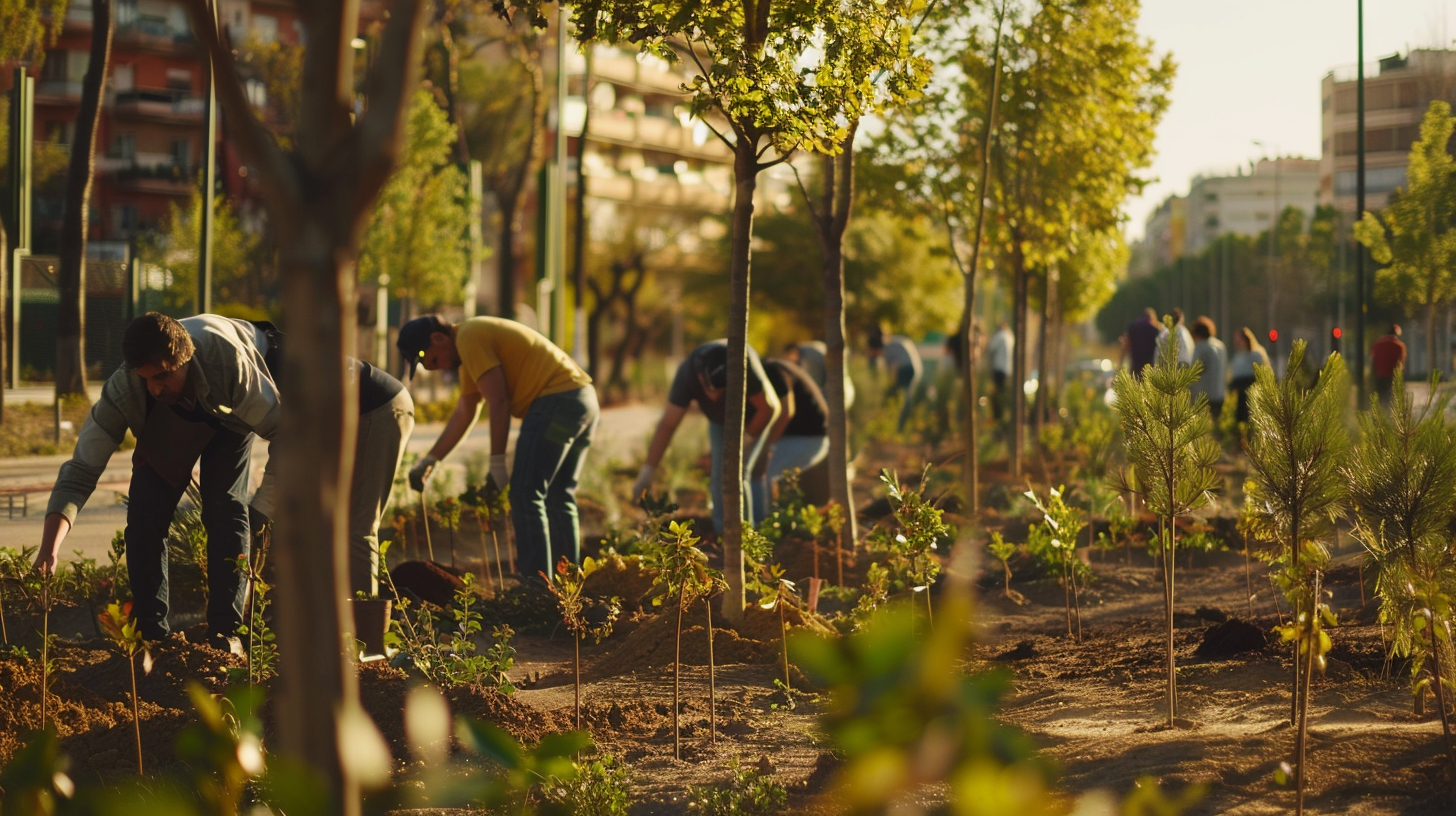
L'Hospitalet de Llobregat has launched a new tree-planting campaign with the aim of adding 2,502 trees before April. Eight workers, organised into two teams, are working to increase tree cover and improve the city's environmental quality.
With this initiative, the municipality expects to absorb an additional 120 tonnes of CO₂ a year, intercept more than 11 million litres of rainwater and expand green space by almost 77,000 square metres. A reduction in ozone, nitrogen dioxide and sulphur dioxide levels is also expected, contributing to a cleaner, healthier atmosphere.
The previous campaign, carried out between October 2024 and June 2025, was the largest in L'Hospitalet's history, with 3,418 trees planted, including some that could not be planted during the drought emergency. The city currently has 38,598 trees distributed across streets, green spaces and municipal facilities.
In this new phase, 643 trees will be planted in streets, 1,789 in green spaces and 70 at facilities. The City Council explains that damaged trees will be replaced and new species suited to each location will be introduced. At some sites, replacing trees will not be possible because of a lack of space or underground conditions.
Current tree cover stands at 12.14%, and the council wants to increase it in line with the Urban Green Master Plan. Expanding green spaces improves air quality, reduces the heat island effect and benefits public health by filtering pollutants that cause cardiorespiratory diseases and allergies.
During this campaign, trees from 65 different species will be planted, all adapted to the current climate and with low water requirements. Hypoallergenic species such as hackberries, sophoras, flowering pears and jacarandas are being prioritised. The City Council is committed to a diverse, healthy and resilient tree population, with more than 270 species present in the city and none exceeding 15% of the total, to prevent the spread of pests.