
News
Iberia caps Barcelona–Madrid flights after rail chaos
The collapse on the tracks between Barcelona and Madrid is complicating last-minute travel. Iberia responds by limiting the Air Shuttle fare to €99. The measure seeks to help those left without a train. The cap will remain in force until 19 February.
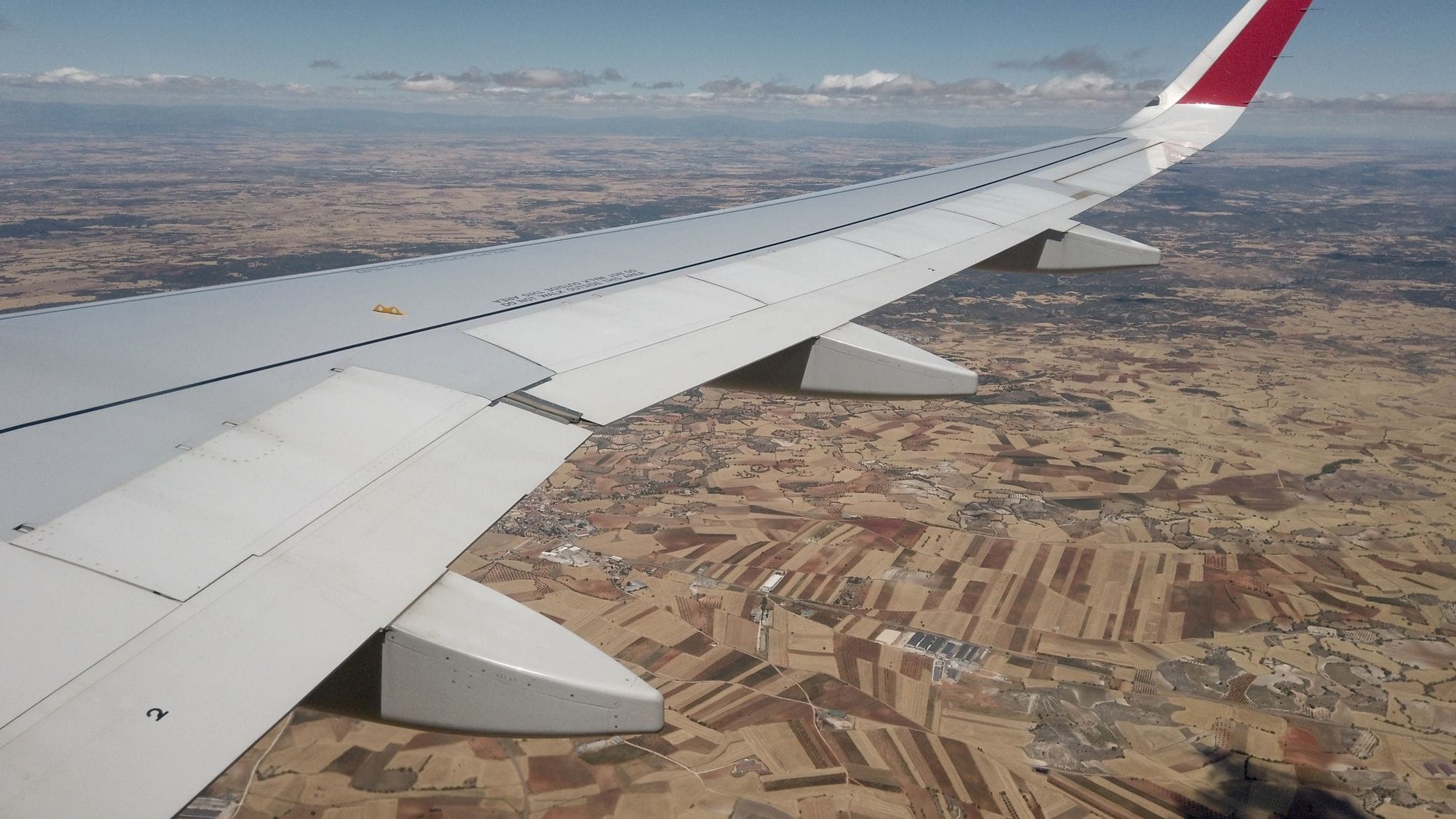
The collapse on the tracks between Barcelona and Madrid complicates last-minute travel. Iberia reacts and caps the Puente Aéreo price at €99. The measure seeks to ease matters for those left without a train. The cap will remain in force until 19 February.
Travelling between Barcelona and Madrid has become an obstacle course for those who depend on the train. Restrictions and cancellations on the AVE have left many without night-time options, forcing them to seek alternatives at the last minute. In this context, Iberia has decided to intervene and put a stop to escalating prices on the Puente Aéreo, setting a maximum of €99 per journey in economy class.
The measure comes amid a full rail collapse, when operators have had to cancel the final services of the day to repair infrastructure. The result: thousands of travellers trapped in uncertainty and with few alternatives for crossing the peninsula. Aware of the gap, Iberia has chosen to offer up to 14 daily frequencies at a fixed price, at least until 19 February, the most critical period of the restrictions.
The €99 cap applies only to the standard economy fare. Those seeking full flexibility or premium services will continue to find the usual prices. However, for those who simply need to get home without surprises, the decision offers relief amid the chaos. The aviation sector usually sends prices soaring in the face of sudden demand, but this time the airline has chosen to contain them and recover its role as a safety net for passengers.
Meanwhile, the AVE, which for years was the most comfortable and fastest option between the two cities, is seeing reliability become the most valuable asset. Rail operators have stopped compensating some delays, citing force majeure, and the infrastructure shows signs of exhaustion. Timetable adjustments and the cancellation of trains by companies such as Ouigo show the seriousness of the situation.
The Puente Aéreo between Barcelona and Madrid was created in 1974 in response to the need for fast, frequent connections between the country’s two main cities. For decades, it was the symbol of executive mobility and agility in business travel. The arrival of the AVE changed the landscape, displacing the plane as the first option. However, in times of rail crisis, the Puente Aéreo demonstrates its capacity to adapt and its key role in national connectivity.