
News
Engineers and SMEs request maintaining trains on the Madrid-Barcelona line
Minister Óscar Puente has suggested closing the high-speed line between Madrid and Barcelona during the works. Catalan engineers and SMEs accept that the tracks need to be renewed, but are calling for some service to be maintained.
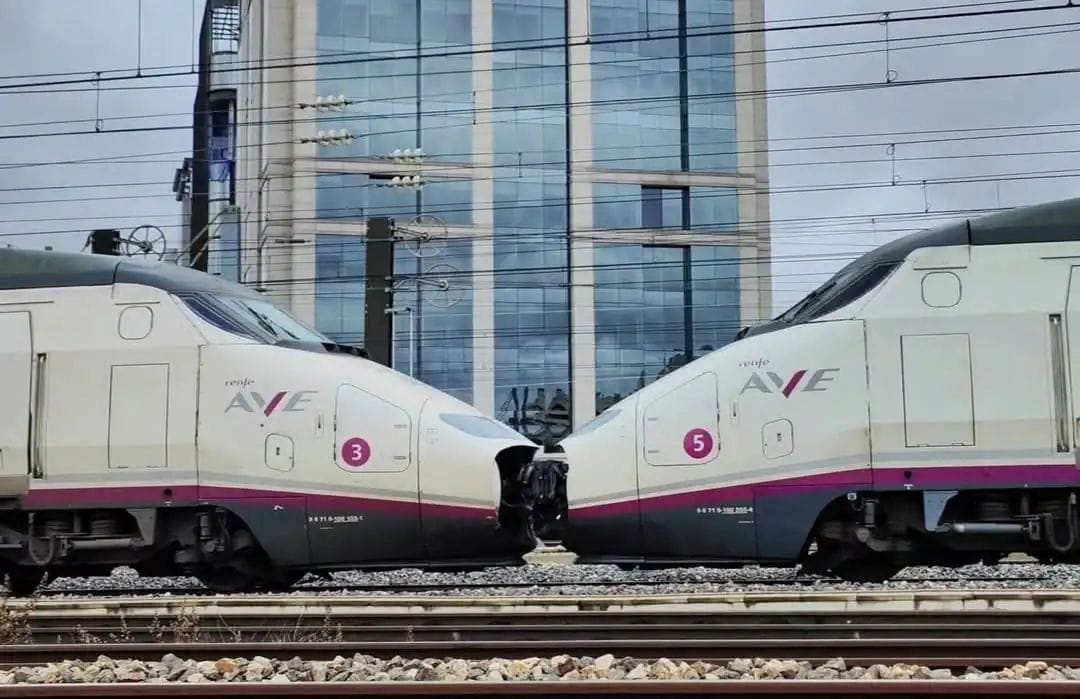
More than 40,000 travellers use the high-speed corridor between Madrid and Barcelona every day. That’s why the dean of the Colegio de Ingenieros de Caminos in Catalonia, Pere Calvet, believes that essential works to improve safety should not mean taking the line completely out of service.
His proposal is to reduce the number of trains during the works and keep some services running. Pimec also agrees that the infrastructure needs to be renewed and calls for planning the works with economic stakeholders, taking into account their impact on mobility and business activity.
A total closure would shorten the works
The Minister of Transport, Óscar Puente, has raised the possibility of stopping traffic for months while the 600 kilometres of the line are renewed. The major overhaul was already planned for 2027, but the tragic train accident in Toledo has added urgency to the debate.
Puente has acknowledged that such a decision would face opposition. His argument is that suspending services could reduce the duration of the works from five years to 24 or 12 months, although it would leave travellers without service during that period. The proposal has not been presented as a decision already made.
The most used high-speed corridor
The Madrid-Barcelona line was the second high-speed line to enter service in Spain, after the one connecting Madrid with Andalusia. The section between the capital and Lleida opened in 2006. Today it is the most used route in the network and the one with the highest train density.
Renfe and Iryo compete on the corridor. Ouigo also operates there.
Calvet calls for stability in Adif y Renfe
Calvet, former general director of Ferrocarrils de la Generalitat de Catalunya (FGC), describes the corridor as one of the pillars of mobility in the country. He has also called for a national agreement to change the governance model of Adif y Renfe, with stable management teams and long-term planning.
The dean even suggests refounding the public railway companies to ensure continuity for their leadership, middle management, and staff. He points out that Adif has had seven presidents in fourteen years; in his view, such turnover would be hard to sustain in any company.
The railway experience of the teams is another key point he considers essential, especially for responding to a crisis. Calvet values the safety of the signalling systems, but believes their maintenance may not have met the required standards.