
News
The C-9 between Cercedilla and Cotos remains closed after 25 months of works
The Cercanías C-9 line, which connects Cercedilla with Cotos, remains closed after more than 25 months of works. The section still has no official reopening date, although the comprehensive renovation is advancing and track has already been laid on more than 65% of the route.
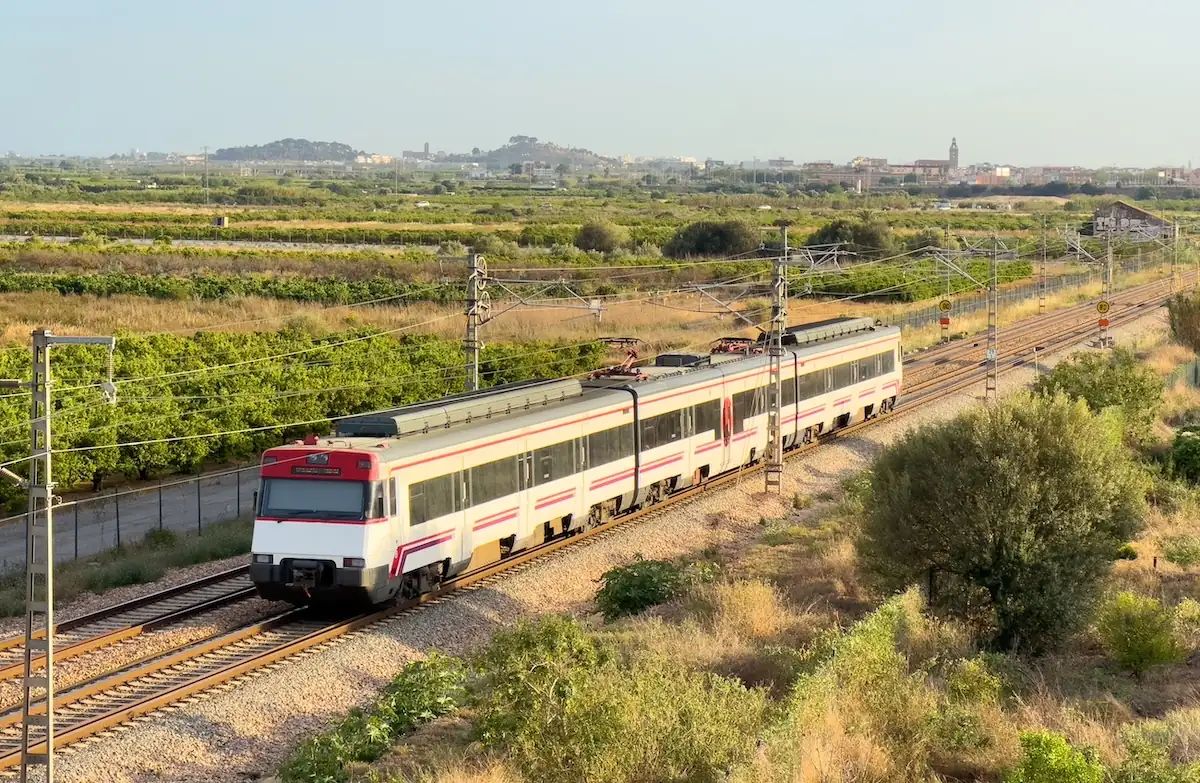
The closure began in May 2024 with an initial forecast of one year. That deadline was exceeded, then a 25-month timeframe was mentioned, and the line is now still out of service, affecting local residents, hikers and regular users of one of the most distinctive railway routes in the Community of Madrid.
The C-9 is no ordinary line within Cercanías. Its route, around 18.2 kilometres long, crosses the mountains between Cercedilla, Navacerrada and Cotos, and for years it has been an alternative way to reach the mountains without a car, especially at weekends, during the snow season and in the hiking months.
Adif attributes the delays to the complexity of working in a particularly difficult environment. The line runs along steep gradients, a narrow alignment and protected areas, which means work must be carried out with greater environmental and safety restrictions than on other railway sections.
This has been compounded by the snowfall of the last two winters and the limitations inherent to a forested area, where work has to be adapted to protect sensitive habitats and reduce risks, including fire risks. The result is a project that is slower than expected and has no clear timetable for restoring train services.
According to Adif, the installation of the new overhead line is virtually complete along the entire route. Rails, sleepers and ballast have also been installed on more than 65% of the route, a phase that has progressed since mid-March, when track-laying began.
The work also includes the refurbishment of platforms at some stations and improvements to the Navacerrada tunnel, where structural refurbishment has already been completed. Track installation remains pending at that point, one of the steps needed before the final phase can be tackled.
The project also incorporates a new traffic management system, known as BLAU, along with new interlockings, signal cabling and axle counters. These are elements that are barely visible to passengers, but essential for the line to operate safely when it reopens.
Once the works are finished, important steps will still remain before service can be restored. Adif will have to carry out tests, train drivers and obtain authorisation from the Agencia Estatal de Seguridad Ferroviaria for commissioning.
The new trains that will run on the C-9 have already been built and remain awaiting reopening at Renfe's maintenance base in La Sagra, Toledo. Their entry into service will depend on the infrastructure being ready and passing all technical procedures.
For users, the lack of a specific date sustains uncertainty. The line was a convenient option for going up into the mountains without relying on a car, and its absence is felt in travel to Cotos, especially on high-demand days.
The refurbishment promises a more modern and safer C-9, but the prolonged closure also recalls the fragility of some railway connections outside the urban core. In the Madrid mountains, restoring this train will not merely mean reopening a line: it will mean restoring a way to reach the mountains without filling the roads even more.