
News
Casa de l’Aigua opens a permanent exhibition in Barcelona on water, climate and the city
Casa de l’Aigua de Trinitat Nova opens the permanent exhibition “Barcelona: aigua, clima i ciutat” this weekend, a journey through the water cycle, the history of supply and the impact of climate change on the city.
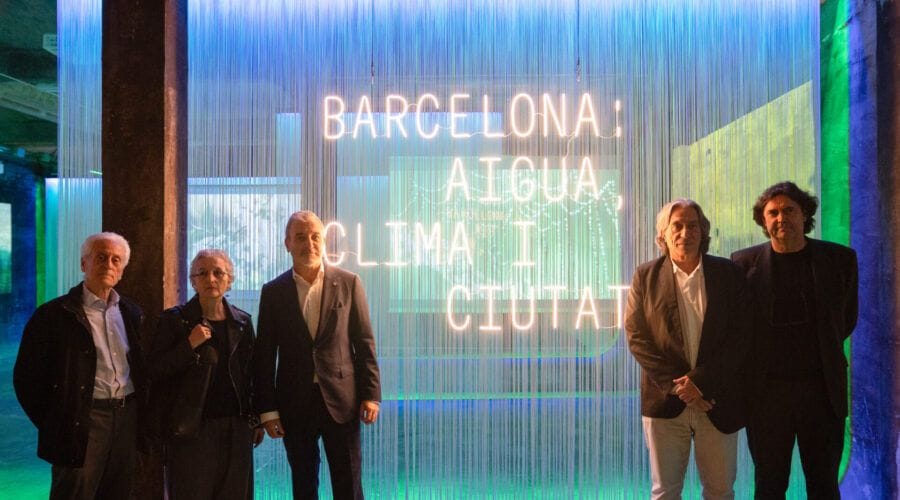
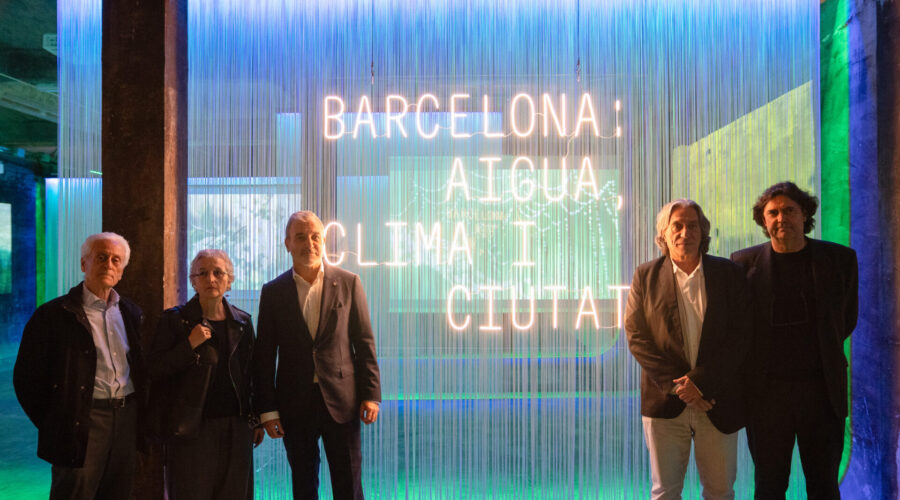
Casa de l’Aigua de Trinitat Nova hosts a permanent exhibition on the water cycle and climate change in Barcelona. Mayor Collboni inaugurates the space, which opens its doors this weekend. The exhibition invites reflection on the city’s environmental impact.
Water supply and climate change take centre stage in Barcelona’s cultural agenda with the opening of the permanent exhibition “Barcelona: aigua, clima i ciutat” at Casa de l’Aigua de Trinitat Nova. This new space, promoted by the Museu d’Història de Barcelona together with the Nou Barris district, seeks to bring Barcelonans closer to the history and current challenges of water management in the city.
The inauguration, chaired by Mayor Jaume Collboni and attended by Xavier Marcé and Carles Hermosilla, marks a milestone in cultural decentralisation by strengthening the network of local facilities in neighbourhoods. Collboni stressed the importance of understanding how water management has evolved and how climate change affects urban life, giving particular thanks for the loan of pieces from the Gavarró collection, which form an essential part of the exhibition.
The exhibition opens to the public this weekend with open days and guided visits to both the exhibition and the heritage site. From 25 April, regular guided visits will be offered, with details available on the museum’s website.
The exhibition route offers a retrospective view of the relationship between climate, water and city, showing how climate fluctuations and the use of fossil fuels have radically transformed water supply and management since the Industrial Revolution. Visitors will be able to explore areas such as the history of climate fluctuations, urban expansion and current environmental challenges, revealing the break between traditional systems and modernity.
The Gavarró collection, assembled by Ròmul Gavarró Castelltort, stands out for its heritage and scientific value, with previously unseen objects related to obtaining, distributing and using water. For the first time, a significant part of this collection is presented as a visitable reserve, allowing the public access to an open store with grouped and preserved pieces.
The Casa de l’Aigua heritage complex, comprising the pumping station in Trinitat Vella and the water-treatment plant in Trinitat Nova, connected by an underground gallery, is key to understanding the history of Barcelona’s water supply. Built between 1915 and 1919, the space was restored by the City Council and is today a heritage and architectural landmark in Nou Barris and Sant Andreu, with environmental and cultural activities open to all audiences.
Casa de l’Aigua de la Trinitat, located between the Barcelona plain and the Parc Natural de Collserola, operated until 1989 and was recovered as a cultural and heritage space in 2017. Currently, the Museu d’Història de Barcelona interprets this site through exhibitions and guided visits, while the Nou Barris district promotes environmental and cultural activities to bring the history and value of water closer to citizens.