
News
The temperature in Barcelona during the Castanyada has risen by almost 3.5 ºC in the last 100 years
The night of 31 October is becoming less and less cold in Barcelona. Records from the Observatori Fabra show that the average temperature on the day of the Castanyada has increased by almost 3.5 ºC since the beginning of the XX century. In addition, days with highs of 20 ºC or more are now much more common, while temperatures below 10 ºC have become less frequent.
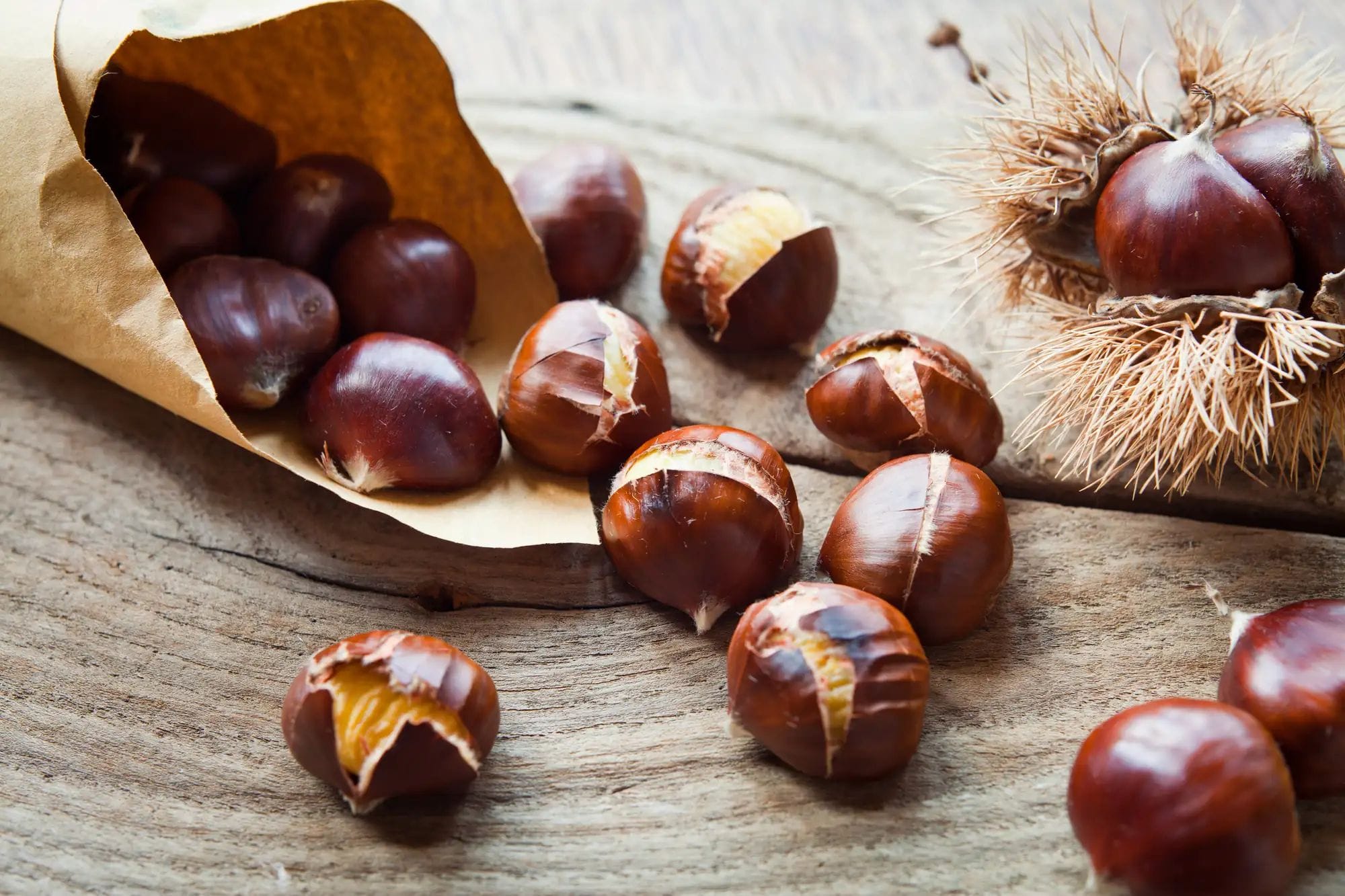
The image of a Castanyada with coats, scarves, and hot chestnuts to ward off the cold is gradually drifting away from the meteorological reality of Barcelona. Historical data show that the air is getting warmer at the end of October, a trend seen in both maximum and minimum temperatures.
The series from the Observatori Fabra, which began in 1913, makes it possible to compare how the weather has changed during this traditional Catalan celebration over more than a century.
Barcelona is experiencing more and more Castanyadas with temperatures of 20 ºC
One of the most striking changes can be seen in the maximum temperatures on 31 October.
Since 1980, Barcelona has recorded 17 Castanyadas with maximum temperatures at or above 20 ºC. Before that year, the thermometer had only reached that level on three occasions: 1916, 1934, and 1968.
The difference shows how mild days, which used to be exceptional at the end of October, have become much more common.
The evolution of the average temperature confirms this trend. According to records from the Observatori Fabra, the value was around 12 ºC in 1913, while in the most recent part of the series it exceeds 15 ºC.
Overall, the increase is close to 3.5 degrees.
Cold nights at the end of October are less frequent
The warming is also evident when looking at minimum temperatures.
Between 1913 and 1990, the Observatori Fabra recorded temperatures below 10 ºC during the Castanyada on 32 occasions. This represents about 41% of the 78 years studied.
However, in the 32 subsequent years included in the analysis, the thermometer dropped below 10 ºC only six times, around 19%.
The difference shows that night-time and early morning temperatures are now milder than for much of the last century.
Another significant fact is that Barcelona has not recorded a temperature below 5 ºC on 31 October for decades. The last time was in 1974.
Before that date, the Observatori Fabra had recorded five other episodes with such low values.
Which has been the warmest Castanyada in Barcelona
The historical records make it possible to identify some of the warmest and coldest 31 Octobers in the city.
The highest maximum temperature was 24.8 ºC in 1989, a value more typical of a spring day than late autumn.
In 2020, a practically identical temperature was reached.
The Castanyadas of 2021 and 2022 also rank among the warmest in the series, although without surpassing the 1989 record.
At the other extreme is 31 October 1966, when the minimum temperature dropped to 2.5 ºC.
Other particularly cold episodes occurred in 1919 and 1941, with minimums of 2.7 ºC.
An increasingly warm autumn in Barcelona
The data from the Observatori Fabra reflect a gradual transformation of air temperatures over recent decades.
The Castanyada, traditionally celebrated on the eve of Todos los Santos, coincides with a time of year when cold historically began to make itself felt in Barcelona.
However, the records show that mild temperatures are now more often maintained until the end of October, while episodes of intense cold are increasingly rare.
Thus, a celebration associated with freshly roasted chestnuts and the arrival of winter now takes place, more and more often, with temperatures that allow people to go outside without needing to bundle up too much.