
News
La Clota: the secret neighbourhood of Barcelona where the city comes to a halt
Discover La Clota, the smallest and most rural corner of Barcelona. Only 600 residents and low-rise houses withstand the pressure of urban development. A single bar and private gardens. Modernisation is advancing, but the village spirit remains untouched. How much longer will it last?
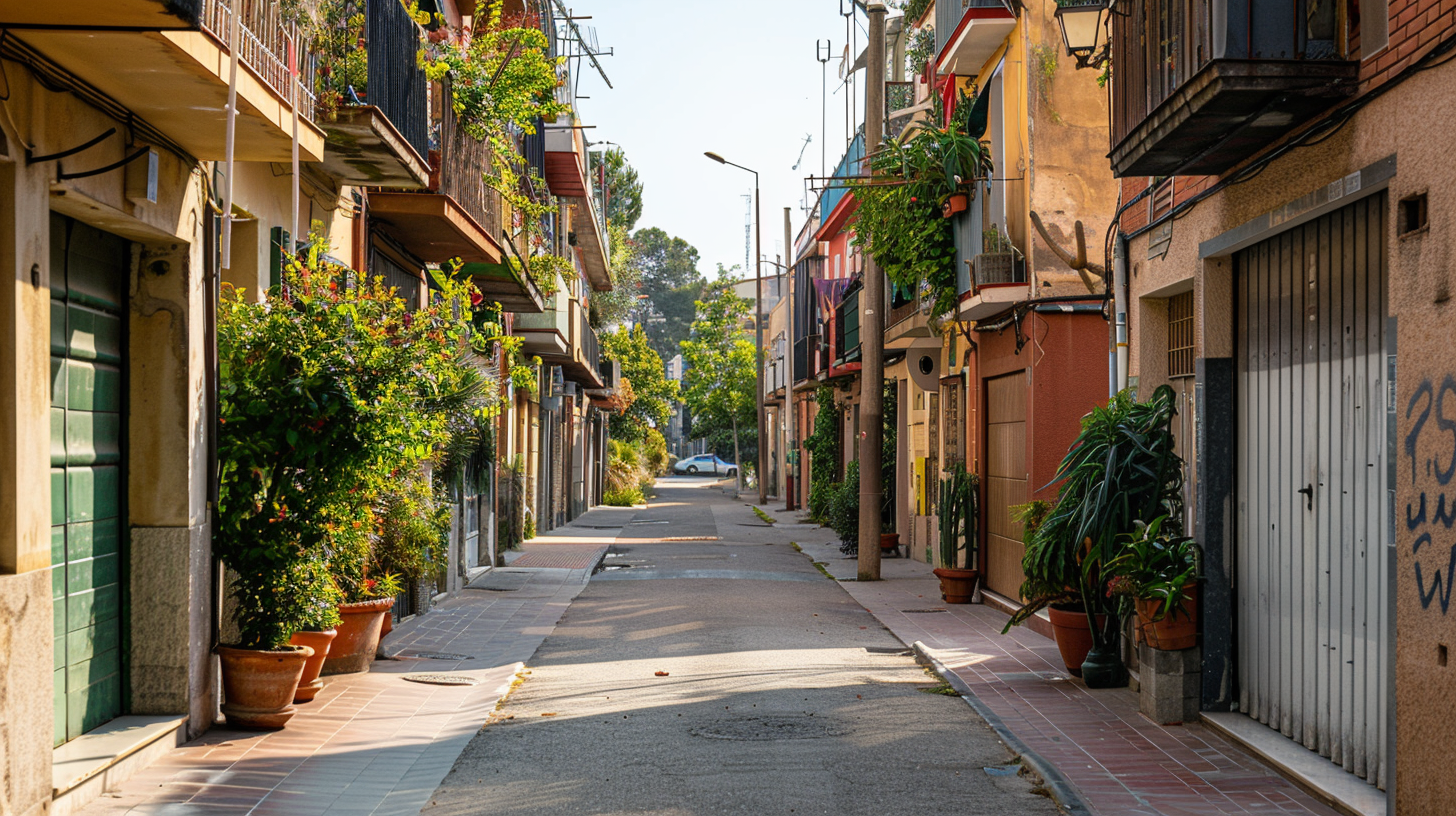
Discover La Clota, Barcelona’s smallest and most rural corner. Just 600 residents and low-rise houses withstand development pressure. A single bar and private gardens. Modernisation is progressing, but its village essence remains intact. For how much longer?
La Clota, located between Vall d’Hebron, Horta and Carmel, is Barcelona’s smallest neighbourhood. Its mere 18 hectares and around 600 inhabitants make it a unique enclave, where low-rise houses and private gardens contrast with the district of Horta-Guinardó’s blocks of flats. Many Barcelonans are unaware of its existence, and even some municipal officers get lost in its streets.
For decades, La Clota’s residents have held back property speculation. Unlike in other neighbourhoods, the community here has fought to keep building-density coefficients low. The City Council was surprised to see that residents preferred to preserve their surroundings rather than build more homes. In the past, the classification of part of the land as a green area threatened the continuation of many houses, but neighbourhood pressure managed to reverse the situation and secure an urban plan that respects the neighbourhood’s identity.
Modernisation arrived late and in dribs and drabs. The public sewerage system was installed only five or six years ago; before that, residents themselves took care of this infrastructure. The major works for the 1992 Olympics scarcely affected the area, apart from the channelling of the old stream that caused flooding. New roads, such as Lisboa Street and Estatut Avenue, have isolated La Clota even further, leaving it hemmed in between changes in elevation and physical barriers. Neighbourhood organisation remains key to demanding improvements and services from the City Council.
La Clota is currently divided into two realities: the old part, with small houses and vegetable gardens, and the newly redeveloped area, where modern blocks are being built. Coexistence is good, although the urban structure makes integration between the two areas difficult. Residents insist on the need for a park that serves as a meeting point and brings the community together, while the rural identity remains very present. Many still speak of “going down to Barcelona”, as if they lived in a separate village.
The neighbourhood’s only bar, El Raconet de la Clota, has become its social hub. Its owner recalls how, during the pandemic, the neighbourhood received a wave of visitors seeking peace and nature. Many of them have become regular customers, drawn by the village atmosphere in the heart of the city.
The peace and quiet, vegetation and strong sense of community explain the residents’ roots in the area. Some say they would not exchange their home even for a multimillion offer, since few can boast of having a garden or vegetable patch in Barcelona. Basic services are nearby, but the connection with Carmel and the upkeep of some areas remain outstanding issues. Modernisation is progressing, but residents want the heart of La Clota to retain its romantic, rural essence.