
News
The non-renewal of 28 TEA classroom teachers worries families across Madrid
The new school year will begin with uncertainty for several Madrid families with children enrolled in TEA classrooms. The Community of Madrid has denied continuation through secondment to 28 teachers working in these specialised resources, affecting schools across different municipalities in the region.
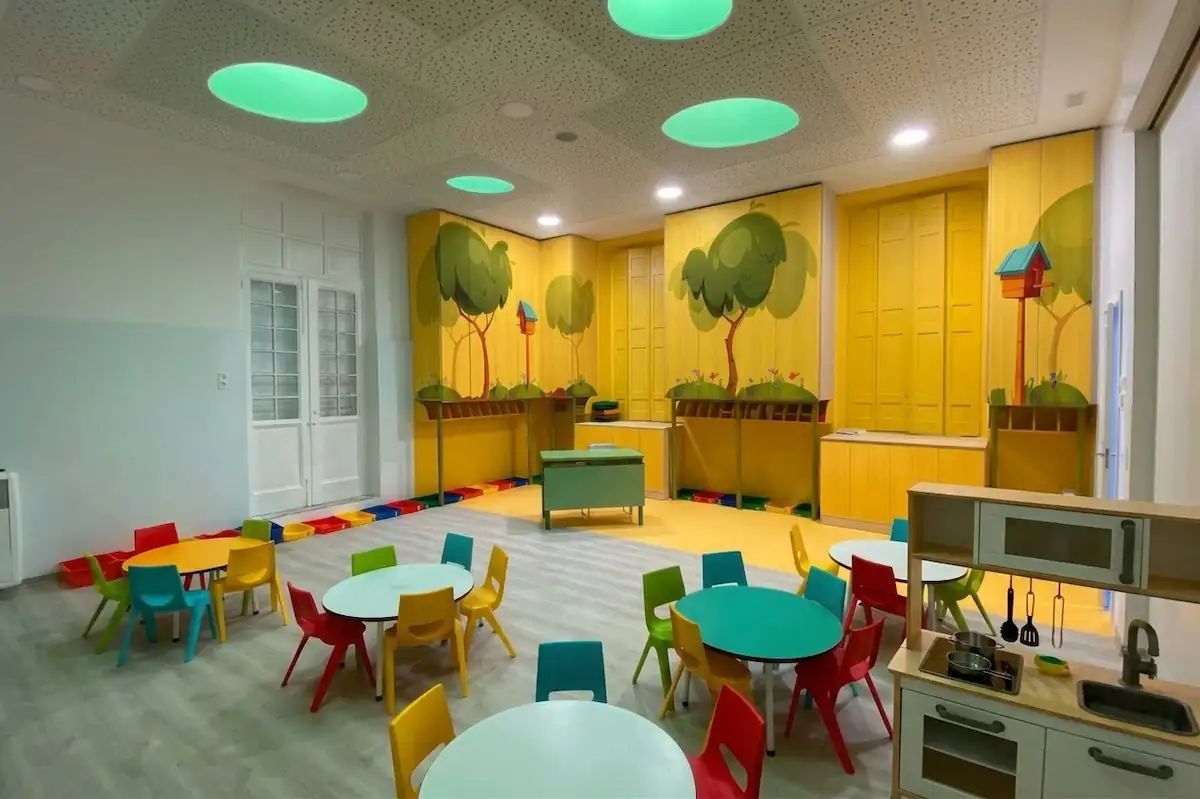
TEA classrooms operate within mainstream schools and secondary schools and serve small groups of pupils with autism spectrum disorder. Children spend part of their school day in these spaces with adapted methods and specialised professionals, which is why families and trade unions consider it especially important to retain familiar points of reference and stable routines.
The Department of Education states that for the 2026-2027 school year it received 373 applications for secondment linked to these classrooms and rejected only 28, 7.5%. According to its account, the refusals are due to failure to meet the established requirements, and the regulations have been applied strictly.
Those affected, however, question whether the criterion has been uniform. Some teachers who have spent years working in the same provision will not continue, while others with a similar record have obtained authorisation. CSIF and CCOO have called for the cases to be reviewed and warn that replacing the professionals all at once may break educational bonds built over years.
The concern has become visible in centres in Torrejón de Ardoz, Fuenlabrada and Arganda del Rey. Some families say that they learned of the change during the holidays, when there was already little time to prepare their children before September or facilitate a transition between the former and new teacher.
The issue is especially sensitive because many pupils with autism need advance preparation for changes. Fathers and mothers fear that starting the school year with an unknown person may result in anxiety, reluctance to attend the centre or a temporary loss of routines and progress achieved in recent years.
The pressure has already led to isolated reversals. Centres in Parla such as La Paloma, Clara Campoamor and Miguel Hernández, as well as Juan de la Cierva in Fuenlabrada, have managed to retain some professionals after complaints from families, teachers and trade unions. The others affected now demand the same treatment.
The Community has more than 900 TEA classrooms, a model that began to be introduced in the 2001-2002 school year and has grown considerably since then. This summer's debate questions not so much the continuity of these provisions as who will be inside when the pupils return.
With only a few days to go before September, uncertainty remains in several homes and educational centres. For many families, the start of the school year will depend not only on timetables, books or new classes, but on a much more concrete question: whether, when the classroom door opens, the person with whom their children learned to feel safe will be waiting.