
News
The energy that villages need is also decided from the territory
Electrification will increase energy demand in villages. Electricity currently accounts for about a quarter of final consumption, and that share will need to grow. Planning will determine which resources are used and how their benefits reach the territory.
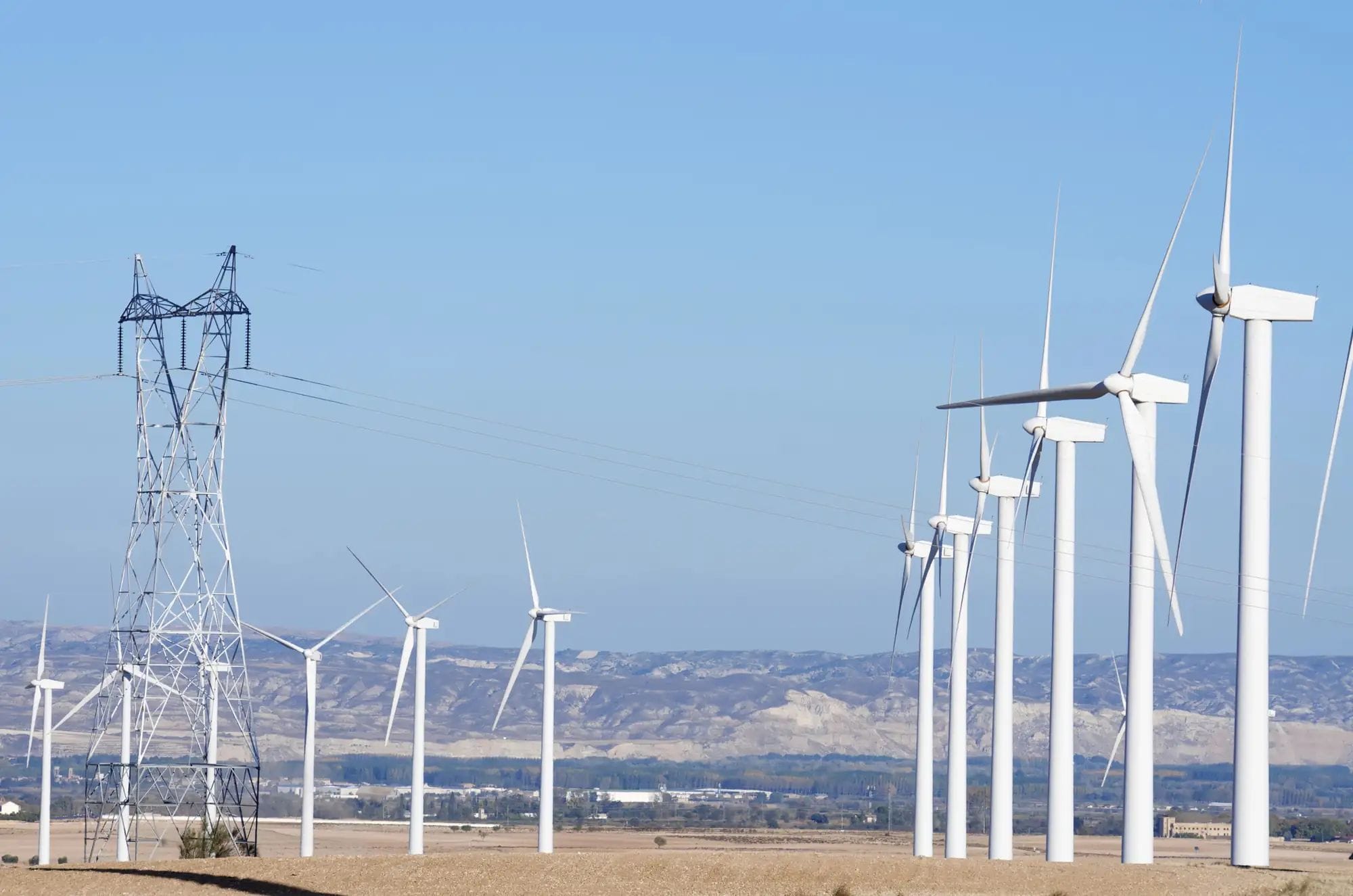
Without enough energy, a town’s services and economic activity are limited. The risk is similar to a mobile phone without coverage: the needs are still there, but they can’t be met as they should be.
Electricity accounts for about a quarter of final energy consumption. That share will need to grow as mobility and heating become electrified; industry will also have to adapt.
Calculating demand before choosing resources
Each town and region needs to estimate how much energy it will require based on its growth plans and the goal of zero emissions by 2050. The transition requires reducing emissions and gradually moving away from fossil fuels, which still underpin much of the model inherited from the 20th century.
To meet demand, renewable energy will have to be generated, transported, and distributed. It will also be necessary to store it when needed or import it. Without these elements, services and economic activities may be limited.
It’s not enough to assume that rooftops and already developed spaces will be sufficient. Their potential must be compared with future needs, including those of mobility, heating, and industry.
From autarky to a shared transition
Autarky describes a community that tries to meet its needs with its own resources and minimises external dependence. It’s not exactly the same as self-sufficiency, and the aim isn’t to return to that way of life. An old farmer used to explain the balancing acts needed to feed two mules with what the land provided: in the 1950s and 1960s, that limitation was still present in many sectors and in much of society’s daily life.
Industrialisation, the growth of cities and car ownership, internal migration, and infrastructure helped leave that scenario behind. Electricity and gas networks, roads, and railways spread, along with industrial and logistics estates. Water supply and sanitation systems and telephony also expanded; later, internet and artificial intelligence were added. This transformation broadened services and opportunities, largely supported by fossil energy.
In rural areas, there are associations that defend the land and biodiversity. They also call for a future for agriculture, affordable housing, and jobs. The conversation about how to sustain public services extends to other areas, such as care for dependent people.
Local participation and concrete benefits
The transition can change a system in which major decisions and energy management have been concentrated in the Administration and companies. For this to happen, each territory must know its resources and needs, take part in planning, and agree on how the benefits of investments are shared.
Concerns about the landscape, biodiversity, and daily life need attention. The location and design of facilities must be decided more carefully, and each project should be assessed for its impact. The discussion needs viable alternatives, not just objections.
Renewable plants, evacuation and distribution lines, storage, and very high voltage lines are some of the infrastructures that may be part of the system. Data centres, biogas plants, and waste facilities should also be considered. If towns want to maintain services, housing, and jobs, they need to specify where the energy will come from and how it will reach where it’s used.
PLATER provides a basis for identifying resources. Its data require ongoing evaluation and improvements with transparent criteria and local participation. Actions also need to be defined, as well as the investments needed for generation and networks, and the sharing of benefits.
Planning before urgency decides
Infrastructure takes years to plan, reach agreements and investments, build, and bring into service. That’s why the zero emissions target for 2050 requires decisions to be made in advance, along with an estimate of demand for each town and region.
Without planning, dependence on gas and oil will continue and it will be harder to reduce emissions. Territories may also face network limits and a lack of affordable energy. The risk isn’t literally returning to rural autarky, but becoming more isolated, with less capacity to attract activity and sustain services while depending on fossil fuels produced far away.
The plans approved by the Govern and the Parlament do not replace the work with each town and region. The transition requires institutional and citizen commitment, as well as guarantees that territories hosting infrastructure participate and benefit.