
News
Gastronomy drives sustainable tourism and redefines leisure in Madrid
Gastronomy is becoming established as a driver of quality tourism and local development. Madrid hosts the conclusions of the first Congreso Europeo de Turismo y Gastronomía. New strategies aim to strengthen the city's economy and cultural life.
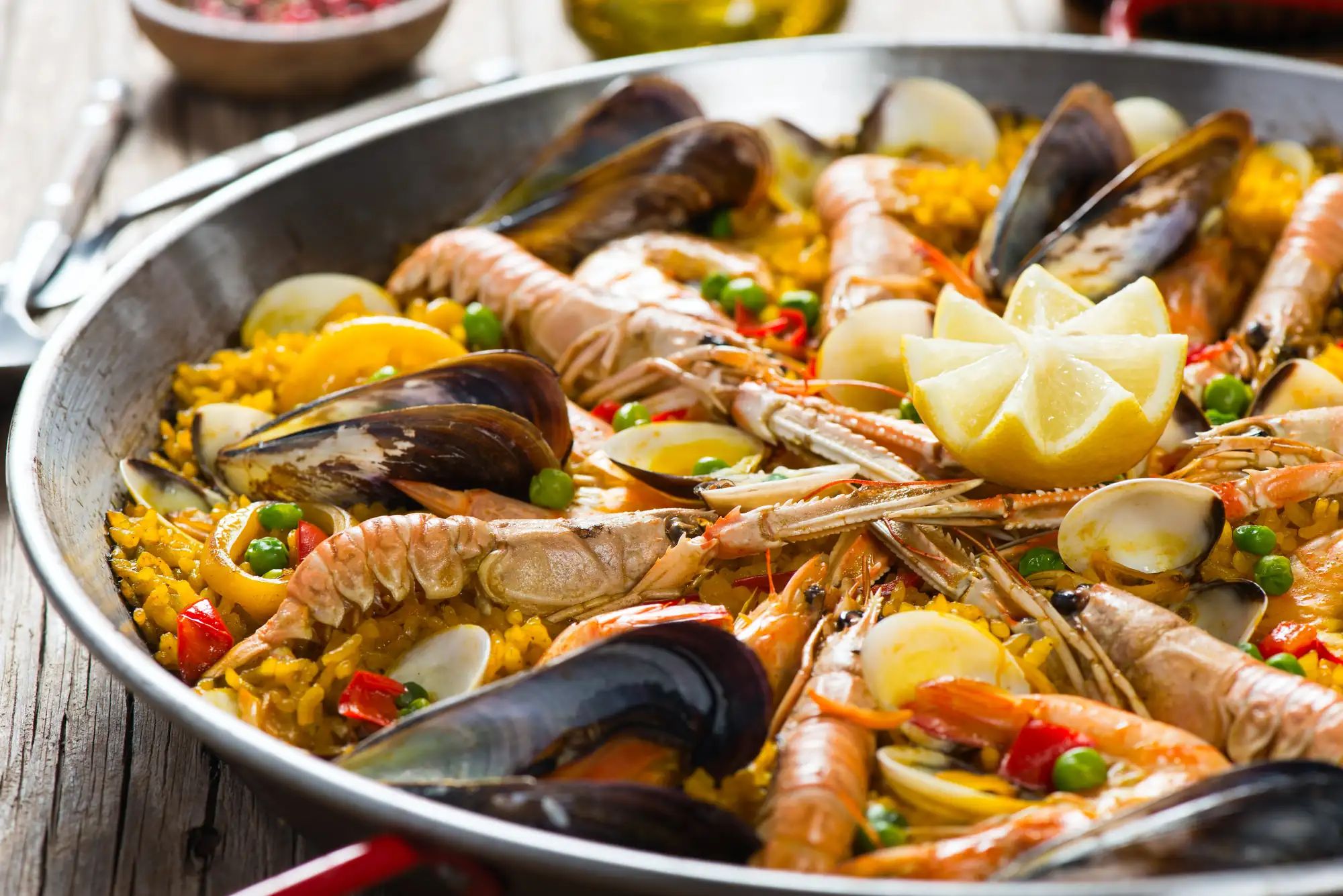
Gastronomy has become a key element for those seeking authentic experiences in Madrid. The recent European Congress of Tourism and Gastronomy, held at the headquarters of the European Commission in the capital, has brought to the fore how local cuisine can transform the way Madrilenians and visitors enjoy the city, from neighbourhood markets to chef-led restaurants.
The conclusions of the meeting, presented by the European Community of New Gastronomy, insist that gastronomy not only attracts quality tourism, but also drives rural development and cohesion between neighbourhoods. Collaboration between institutions, businesses and local communities is emerging as the route to strengthening the economy and combating depopulation in less frequented areas.
The strategic document, drawn up with the participation of experts and sector representatives, proposes integrating gastronomy into tourism, culture and sustainability policies. It raises the need to invest in specialised training and digitalisation so that both small producers and large companies can adapt to new trends and public demands.
Madrid, alongside other European cities, starts from a privileged position: Europe accounts for more than half of global tourism and Spain remains a benchmark in the sector. The challenge now is to create tourism management models that include residents, local producers and universities in decision-making, backing innovation and the circular economy.
Among the proposals, the idea of strengthening the gastronomic narrative of destinations and simplifying sustainability certifications stands out, facilitating their real application in businesses. In addition, gastronomy is suggested as a tool of cultural diplomacy, promoting exchange and international cooperation from the table.
The European Commission Representation in Madrid, where the congress was held, has consolidated itself in recent years as a meeting point for initiatives that connect local life with European trends. Its location, right in the centre, makes it easier for experts and residents to take part in debates that directly affect the city’s day-to-day life. Madrid is already beginning to move in that direction, integrating gastronomy into its cultural and social agenda.