
News
Madrid embraces the essence of Esa Habana on its most mixed nights
Madrid has nights when it seems to look towards the Caribbean without leaving the pavement. In bars, basements, cocktail bars and music venues, the essence of Esa Habana is increasingly woven into the city’s social life, blending bolero, son, rum, nostalgia and a desire to dance.
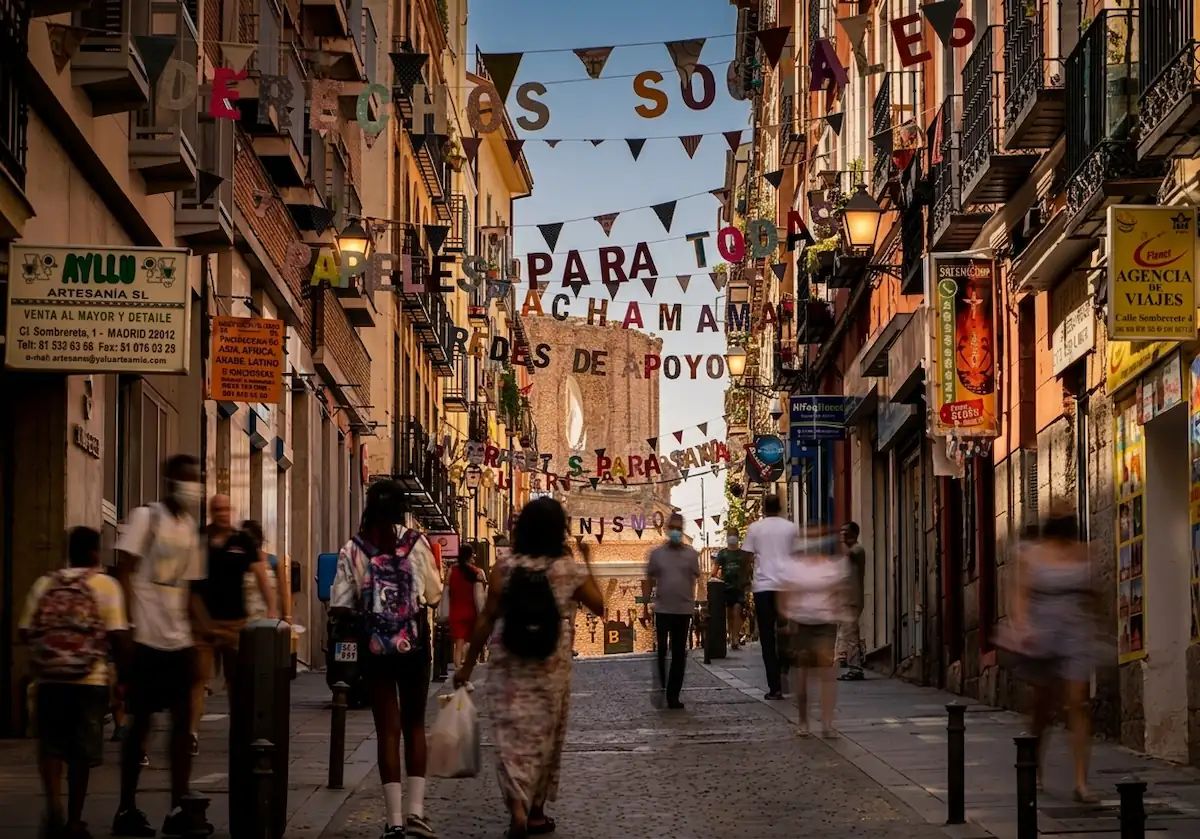
You don’t need to have been to Cuba to recognise that emotional atmosphere. All it takes is to step into a place in Lavapiés, let yourself be carried away by a gentle percussion or listen to a bolero in dim light to understand that cubanía is not just an origin: it can also be a way of being at night.
The influence is felt in the music, but also in gestures. In the daiquiri served with care, in the conversation that lingers without checking the time, in the body that ends up following the rhythm even if it didn’t mean to dance. Madrid adopts these scenes and makes them its own.
Lavapiés acts as one of the great laboratories of this mix. In its streets, Latin American music, African accents, flamenco, electronic music and bars coexist, where a night can start as a quiet drink and end in a small tropical party.
Around Sol and in other corners of the centre, the Cuban presence appears among cocktail bars, live music sessions and venues that revive more classic sounds. Although reggaeton dominates many dance floors, bolero and son still find space for those seeking a slower, more sentimental or simply different night.
The power of this music lies in its contradiction. It can sound joyful and sorrowful at the same time, speak of farewells with a dance rhythm and turn melancholy into something shared. Madrid, a city that can be tough at times but is very prone to nocturnal sentimentality, understands this language well.
The phenomenon also says a lot about how the capital is changing. Madrid’s cultural life is no longer explained only by its grand theatres, its terraces or its trendy venues, but by the way it incorporates accents, memories and music from elsewhere.
Esa Habana madrileña doesn’t try to copy a tropical postcard. It appears in small details: a song that changes the mood of a bar, a drink sipped slowly, a couple dancing among strangers or a street in Lavapiés where, for a while, Madrid seems less cold and closer to the sea.