
News
Train drivers' strike cuts Cercanías services and prompts Metro to boost capacity
The 24-hour strike called by Semaf is affecting all companies in the Renfe group today. Cercanías Madrid is operating with minimum services, while Metro is running all available trains during peak hours and has deployed extra staff at interchange stations.
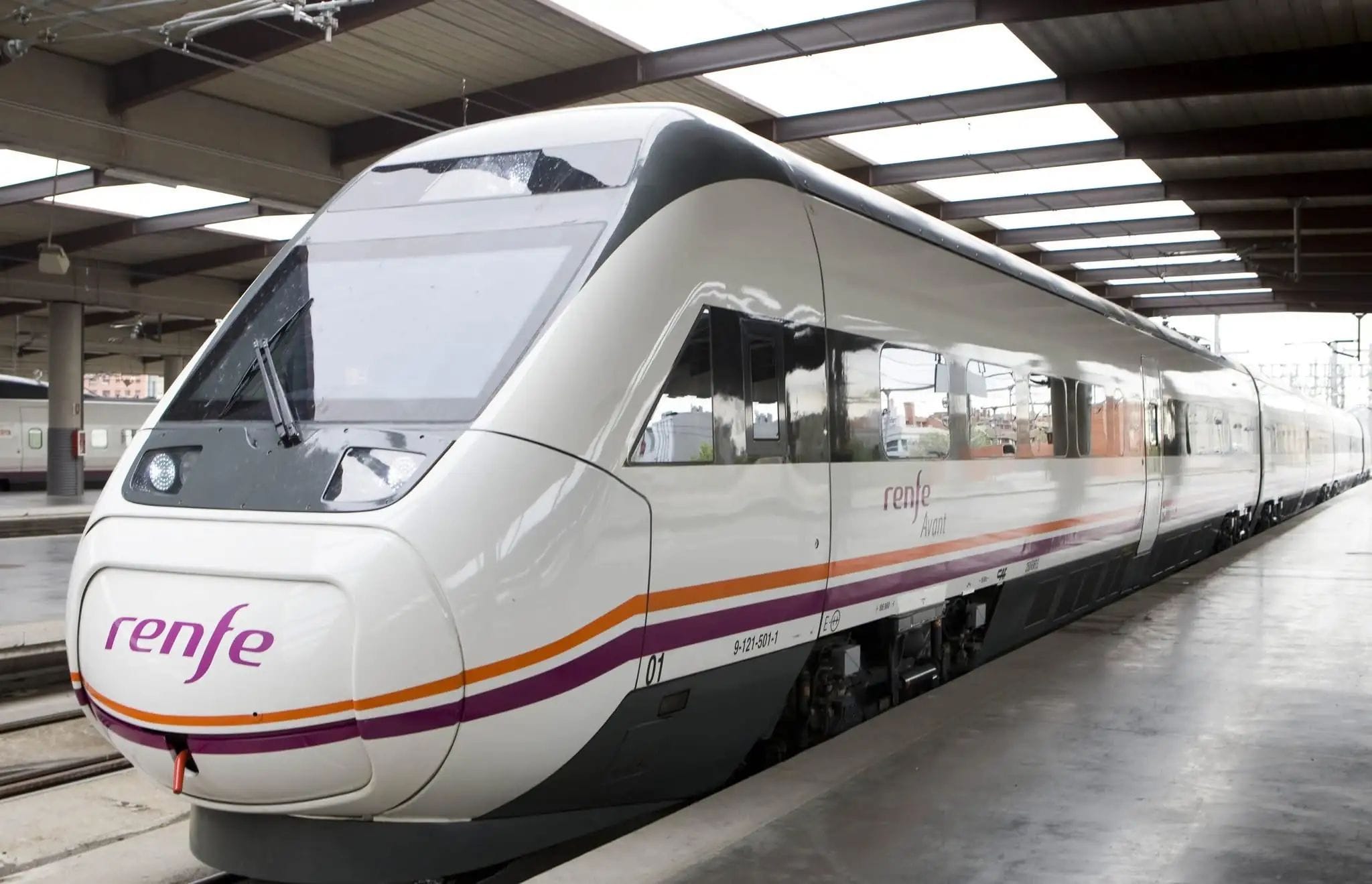
The strike called by Semaf for all companies in the Renfe group runs from 00:01 to 23:59 this Thursday, 29 October. The Ministerio de Transportes has set minimum services of 75% during peak hours and 50% for the rest of the day.
The highest coverage applies in three time slots: from 06:00 to 09:00, from 13:30 to 15:30, and from 18:30 to 20:30.
The reduction also affects peak hours. Cercanías Madrid had warned that service would be “severely affected” and recommended seeking alternative means of transport. The notice issued the day before also mentioned possible disruptions to the last trains on Wednesday.
Metro deploys all available trains
Metro de Madrid will run all available trains on the network during peak hours. It will also increase staff presence at stations with connections to Cercanías and at interchanges.
The reinforcement also includes stations where several Metro lines meet. The company is preparing its operations to assist those who may transfer from Renfe services.
The Urda accident is behind the strike
Semaf is maintaining the strike call following the railway accident in Urda, Toledo. The interruption of connections linked to that incident was included in this report on the Atocha closure. The union is calling for progress on safety and denounces the suspension of previous measures along with an “administrative blockade.”
Their demands include improving protocols for weather emergencies and collisions. They are also calling for the hiring of drivers and increased reliability of rolling stock. Additional demands include a communications regulation for risk situations and technical solutions for trains.
The organisation is calling for the implementation of the so-called just culture in the cab and the establishment of a direct channel with the Agencia Estatal de Seguridad Ferroviaria and the Inspección de Trabajo. They are also asking for the unblocking of the reduced retirement age coefficients. According to Semaf, the Administration attributes the delays to bureaucratic slowness; the union extends this explanation to Renfe and Adif, as well as the safety agency.
Renfe questions the scope of the demands
Renfe maintains that several demands “go beyond the company’s remit.” Company sources describe as “incoherent” a strike that, in their view, includes issues the operator cannot decide on, such as the regulation of driving times or the actions of the Inspección de Trabajo.
The company states that these requests are not part of the collective agreement signed in July. It also claims to have fully complied with the agreement reached in February to strengthen the rail system after the Adamuz accident. Renfe puts the number of workers hired at over 1,200 and defends the measures it takes in response to risks and adverse weather conditions.
The Metro operation is focused on interchange stations and several points on the network. Line 12 connects Leganés and Getafe, as well as Fuenlabrada, Móstoles and Alcorcón. On line 7B there will be more staff at Coslada and San Fernando de Henares. The reinforcement also covers section 9B of TFM, which connects Arganda del Rey and Rivas with Puerta de Arganda.