
News
The strike at the Reina Sofía reopens the debate on public culture
The strike at the Museo Reina Sofía is already affecting the experience of those visiting one of Madrid's major cultural centres. Longer queues, restricted access, and less attention for visitors have changed the way people move through the museum during peak visitor season.
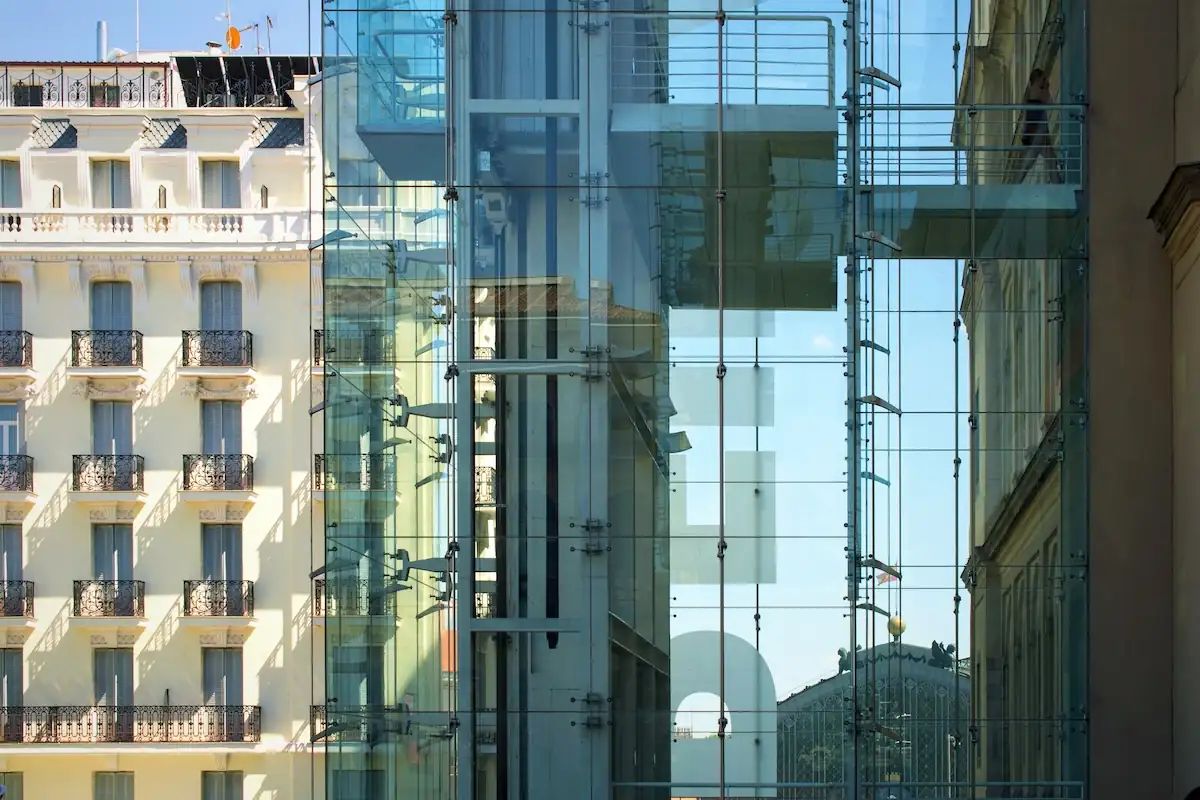
The conflict began on 13 June and affects the outsourced information and visitor-service operation. The workforce denounces job cuts, deteriorating working conditions and a loss of quality in a service that is key to guiding visitors inside the museum.
The protest is not taking place in just any location. Reina Sofía is one of Madrid’s most important cultural stops, for both residents and tourists. Any disruption to its entrances, galleries or services is immediately felt along the Atocha-Lavapiés axis, an area where the museum is part of the daily pulse.
According to the strike committee, the conflict has reduced visitor numbers by around 1,000 a day. The figure reflects the extent to which the museum’s internal operation affects the city: less smoothness at the entrance, less assistance for the public and a less comfortable visit for those arriving without knowing the building.
The strike has also opened a broader discussion about outsourcing cultural services. Those who assist the public do not merely point out a gallery or solve a practical question; they are often the museum’s first face, explaining how to get around, where to go or what to do when something does not work.
The discontent comes at a particularly sensitive time for Madrid’s cultural life. With summer, visitor numbers, evening plans and the use of major museums as cultural and climate refuges increase. If the service suffers, the experience is not limited to seeing an exhibition less well: it affects the whole plan.
Reina Sofía retains its weight as an institution, but the strike is a reminder that a museum does not function only through masterpieces, open galleries and programming. It also depends on workers who sustain direct contact with the public, often from less visible jobs.
The situation leaves Madrid with an uncomfortable question: what kind of cultural experience does it want to offer in its major institutions? If visiting a museum involves waiting, uncertainty and less support in the galleries, the city loses some of the accessibility that makes public culture something everyday rather than a privilege for those who already know how to get around inside.