
News
66,000 fake football shirts seized ahead of the Mundial
Football fever ahead of the Mundial is also fuelling a parallel business: fake shirts. Police have confiscated more than 66,000 counterfeit items in an operation affecting Madrid, Barcelona, Málaga and several towns in Alicante, just as demand for kits begins to soar.
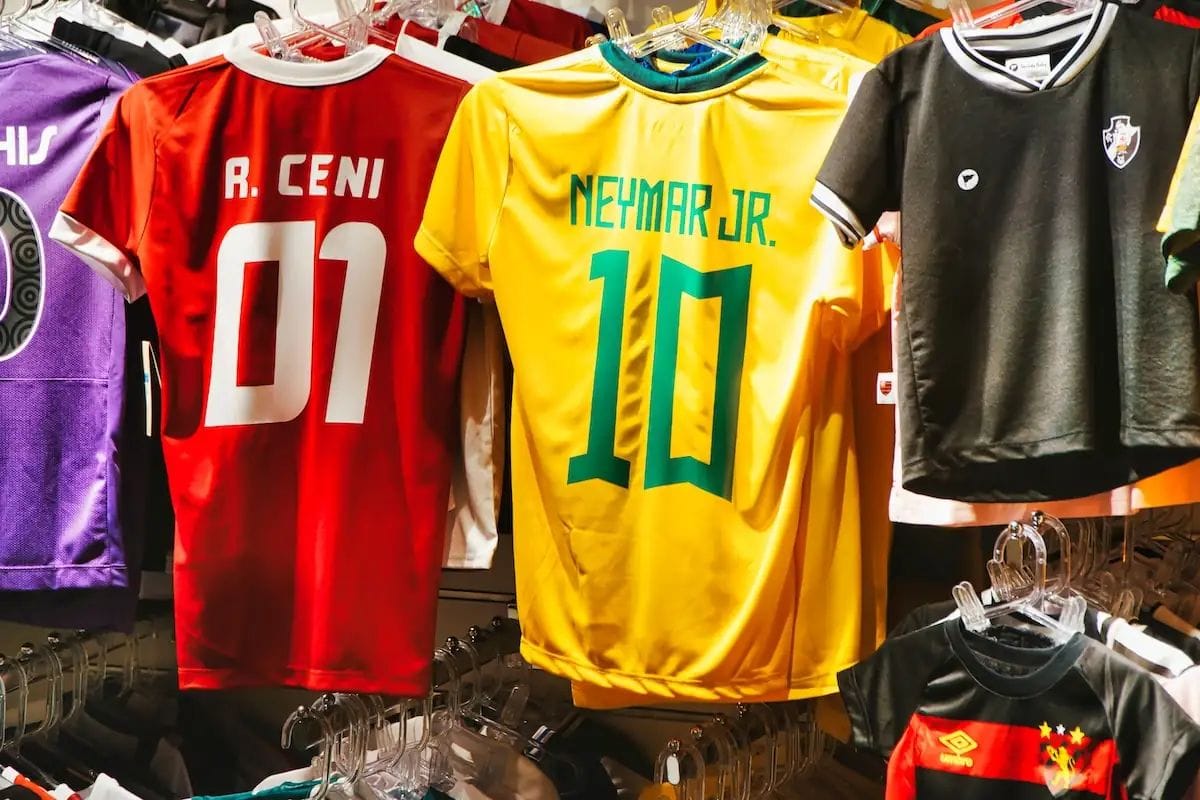
The operation has resulted in 95 people being arrested for offences against industrial property. In total, officers have seized 16 tonnes of shirts imitating the kits of national teams and clubs, many of them linked to players with major media appeal.
The investigation began in April, when the Police detected a constant flow of counterfeit shirts intended for the Spanish market. The garments included models associated with stars such as Kylian Mbappé and Lamine Yamal, two names capable of multiplying sales during the World Cup countdown.
The Spanish national team was one of the network's main draws. According to the investigation, the clandestine sale of these shirts may have generated up to two million euros in illegal income and caused losses of around seven million for official channels.
Searches have been carried out at industrial units, homes, warehouses and street markets, showing the logistical scale of the business. This was not merely occasional street selling, but a structure prepared to distribute thousands of garments in different cities.
This type of product tends to appear in large numbers at times of high demand: major matches, finals, celebrations, sporting events or international tournaments. The price difference attracts many buyers, but it also harms legitimate shops, distributors and small businesses that do work with authorised products.
The operation has involved international coordination through Europol and Interpol, as well as the cooperation of bodies specialising in intellectual property. Authorities point out that counterfeiting does not only affect major sports brands, but also feeds opaque distribution networks and reduces income in the formal economy.
The blow comes at a key moment for football-related trade. On the eve of the World Cup, a shirt can become a souvenir, a bar uniform, a family gift or an impulse purchase before a match. That is why controlling the counterfeit market is not only a question of brands: it also affects how consumption moves during major sporting events.