
News
Madrid Neighbourhood Federation challenges terrace rules over accessibility, noise and 0.80 m passageways
The High Court of Justice of Madrid has admitted FRAVM's appeal against the terrace ordinance. The debate affects coexistence in neighbourhoods and the use of public space. The City Council defends its regulations and rejects residents' criticism.
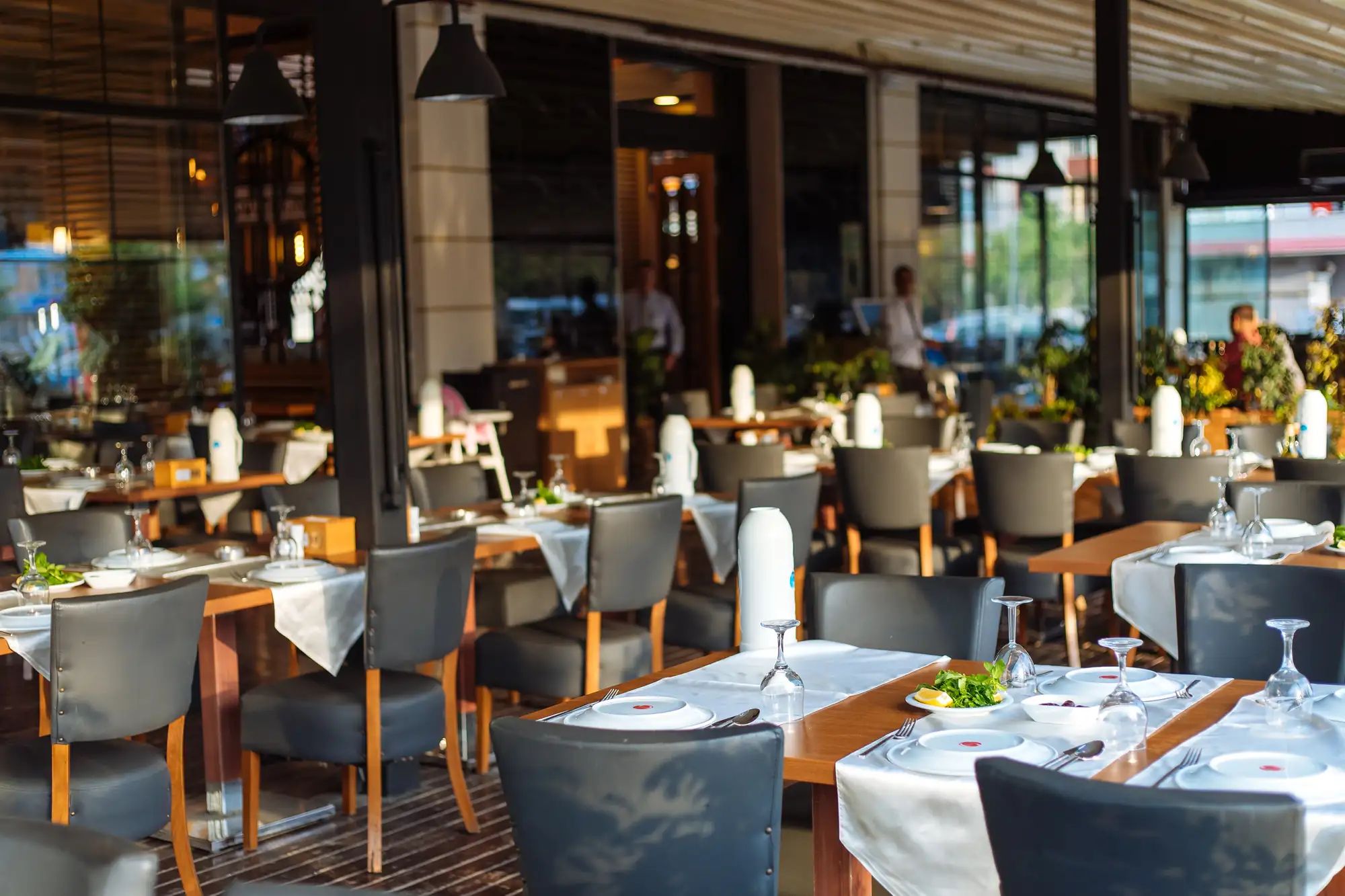
Life on Madrid’s streets could change after the Tribunal Superior de Justicia de Madrid admitted for consideration an appeal filed by the Federación Regional de Asociaciones de Vecinos de Madrid (FRAVM) against the current Ordenanza de Terrazas y Quioscos de Hostelería y Restauración. The neighbourhood movement considers that the regulations approved by the City Council did not take its proposals into account and prioritise the interests of the hospitality sector, a sector which, according to the FRAVM, has spent years without seeking agreements to reduce disturbance in neighbourhoods.
Among the grounds of the appeal, the FRAVM points out that some articles of the ordinance contradict case law on mobility and accessibility, and even breach the Código Técnico de Edificación by allowing internal passageways of less than 0.80 metres on terraces. They also warn that excessive noise may infringe fundamental rights, such as the inviolability of the home, an aspect that has already been supported by the Court of Justice of the European Union.
From the City Council, deputy mayor Inma Sanz defends the ordinance and regrets the FRAVM’s position, accusing it of maintaining an inflexible stance and of wanting to restrict or close most of the city’s terraces. Sanz says that the Council has responded to all objections and held discussions with neighbourhood groups, although she acknowledges that no agreement has been reached.
Terraces have become a central feature of Madrid’s urban landscape, especially after the pandemic, when they gained prominence in the social and economic life of neighbourhoods. Their regulation directly affects the use of public space, pedestrian mobility and neighbourhood coexistence. The debate over their future reflects the tension between the dynamism of hospitality businesses and the right to rest, an issue Madrid continues to adjust as the city evolves.