
News
Madrid will count the embryo as a family member for benefits
Madrid has just approved a rule that could change several family procedures from pregnancy onwards. The new law recognises the unborn conceived child as a member of the family unit for administrative purposes, allowing earlier access to certain grants, scholarships, deductions and benefits linked to household size.
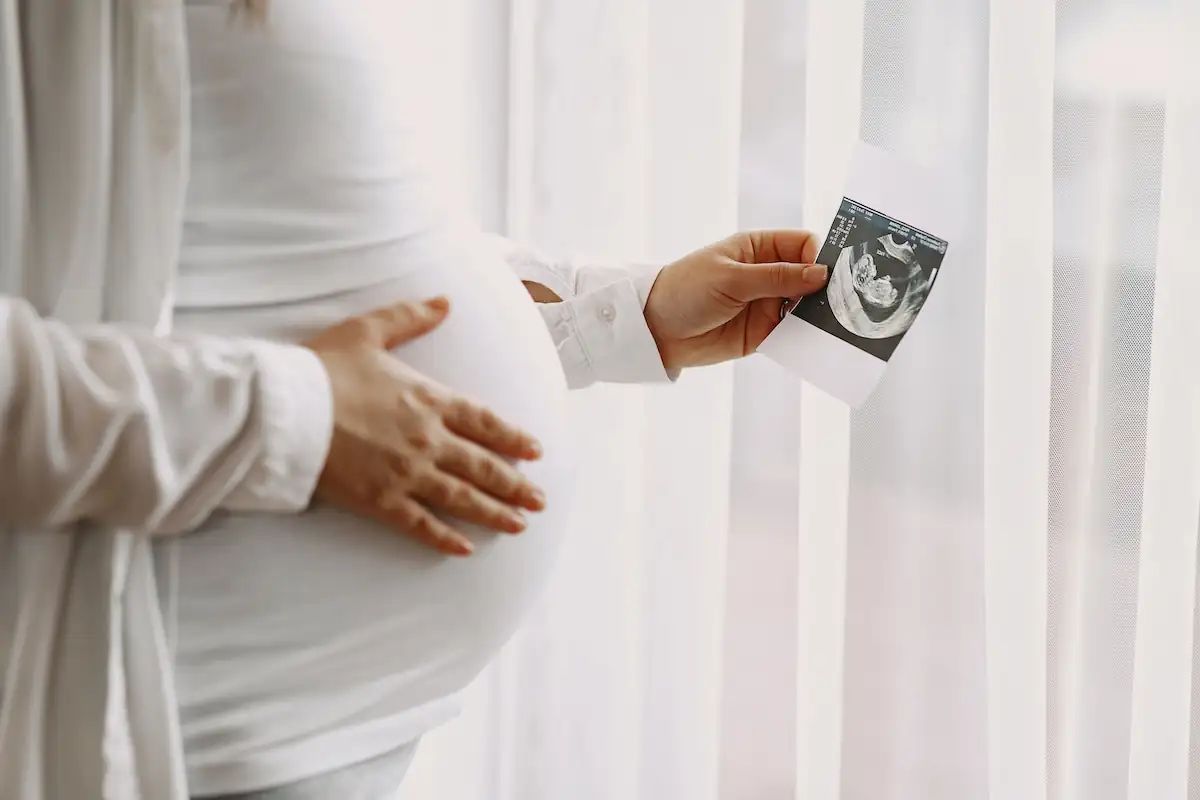
The change will mainly affect families expecting a child who need to prove their family composition in order to apply for benefits. In practice, a pregnancy may count in certain procedures before the birth, provided that the required medical documentation is submitted.
One of the clearest cases will be the large-family certificate. Families expecting a third child may apply for it before the baby is born, with effects on discounts, allowances and associated procedures. For this recognition, having passed the 14th week of pregnancy is set as the reference point.
The rule may also influence aid where per-capita family income is calculated. By counting one more member in the family unit, some households could improve their position in accessing school-meal grants, educational aid, transport, youth rent assistance or other regional benefits.
The regional Government defends the measure as a way to support birth rates and ease expenses before birth. Its promoters argue that many families begin to bear costs from pregnancy and that the administration must adapt to that reality.
The opposition and several experts, on the other hand, see the law as a change with a strong symbolic charge. They criticise the focus shifting from the pregnant woman to the embryo and warn that the debate may open discussions about rights, legal personhood and social pressure during pregnancy.
The law also provides for what happens if the pregnancy does not come to term. In that case, the family must report it, but will not have to repay benefits already granted if it met the requirements at the time of applying for them.
The effect will be felt at service counters, in online applications and in very concrete household decisions. For some families, the change may bring forward access to discounts or aid by months; for Madrid, it opens a wider debate on how to support child-rearing without turning family procedures into a new political battleground.