
News
Metro Line 6 prepares to operate without a driver in Madrid
Metro de Madrid's Line 6 is undergoing one of the most significant transformations in its history. The circular line, one of the most used in the network, is preparing to run with automated trains in 2027 and will change the way thousands of Madrid residents move around the city every day.
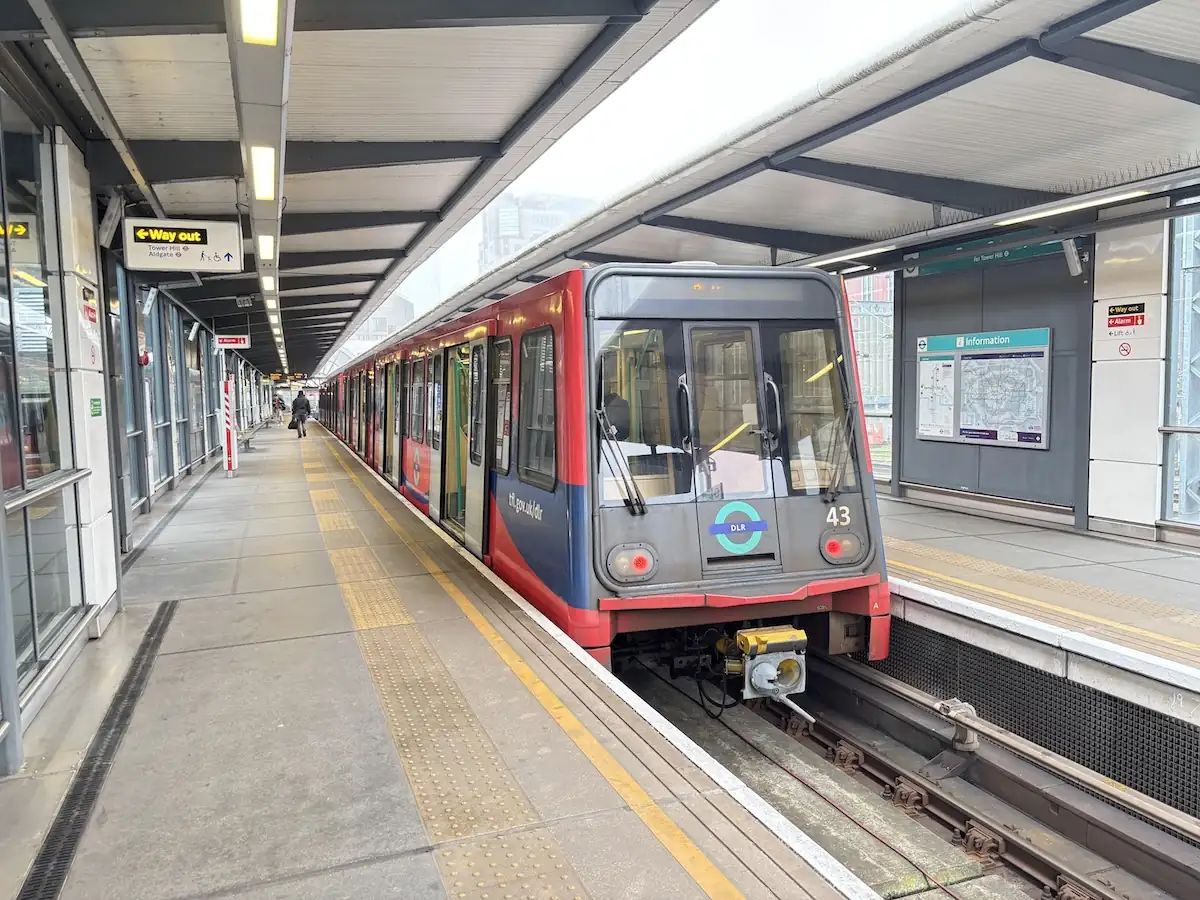
The project goes far beyond introducing driverless trains. Automation means renewing tracks, signalling, control systems, communications, platforms, and depots so that the line can run more frequently, with greater capacity, and constant remote monitoring.
The main promise for users is shorter waiting times. Once the system is fully implemented, the Comunidad de Madrid expects trains every two minutes, a key improvement on a line that connects neighbourhoods, transport hubs, universities, hospitals, and major transport nodes.
Línea 6 carries around 400,000 passengers a day and surpassed 116 million users in 2024. Any change to this line has an immediate impact on mobility in Madrid, from those crossing the city for work to those connecting with Cercanías, intercity buses, or other Metro lines.
The transformation will also be visible on the platforms. Metro is installing safety doors to separate the waiting area from the tracks, an essential feature for automated operation, designed to reduce risks, organise passenger flows, and improve service regularity.
The new trains will be adapted to this operating model and promise greater energy efficiency. According to official forecasts, they will use less energy and make better use of the line’s capacity, which is especially important during peak hours.
While these benefits are on the way, users are already experiencing disruptions. The works have led to schedule changes, earlier night closures, and replacement buses on certain sections. The modernisation is taking place on a line that remains essential for the city, making any intervention more complicated.
This change will mark a new era for Metro de Madrid. Línea 6 will remain circular, but will operate differently: more technologically advanced, more closely monitored, and designed to handle greater demand. The key will be whether the promised improvements translate into something tangible for passengers: shorter waits, smoother journeys, and fewer disruptions on one of Madrid’s main transport arteries.