
News
Tarragona nuclear plants generate half of Catalan electricity
Tarragona’s nuclear power plants were again Catalonia’s main source of electricity in 2025. Ascó I, Ascó II and Vandellòs II generated energy equivalent to 50.6% of all Catalan demand, a weight that keeps households, industries and services closely tied to these facilities.
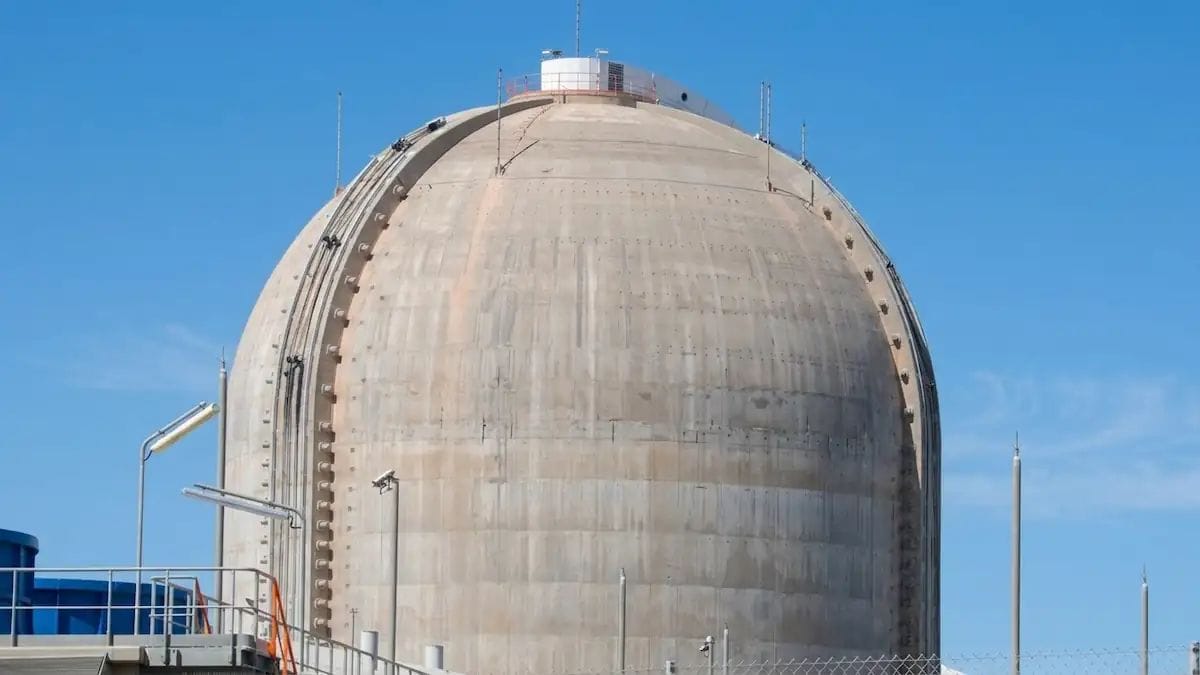
The three reactors produced 22.812 billion net kilowatt-hours during the year. That figure represented 58.8% of all electricity generated within Catalonia and 8.9% of production in the mainland system.
The nuclear contribution is particularly relevant at a time when renewables cover only a limited part of consumption. While solar and wind power are progressing with difficulty, Ascó and Vandellòs continue to supply large volumes of energy steadily.
According to industry data, the plants’ production avoided emissions of 8.4 million tonnes of CO₂ equivalent. The power stations generate no direct emissions of this gas during operation, although the debate over waste management and their eventual closure remains open.
One of the next steps will be to expand capacity for storing spent fuel. ANAV is working on new individualised temporary stores that must have enough space for the waste produced throughout the reactors’ entire operating life.
The activity also supports a significant share of employment in Ribera d’Ebre and Baix Camp. ANAV has 865 direct employees, in addition to around 1,000 professionals from external companies who regularly work at the facilities.
During refuelling outages, the workforce increases even further. Between 1,000 and 1,100 additional people take part in maintenance, inspection and fuel-replacement work, as happened at Ascó II and Vandellòs II during 2025.
The figure highlights a central contradiction in Catalonia’s electricity system: nuclear production cuts emissions and guarantees supply, but it requires a solution for waste storage and the plants’ energy replacement. Catalonia remains dependent on three reactors while seeking to accelerate a renewable transition that is still progressing too slowly.