
News
Half of Catalan schools will have a nurse next academic year
Half of Catalonia’s educational centres will have a school nurse next academic year. The measure represents a major change for many families, especially those with children who need medication, health monitoring or rapid care during the school day.
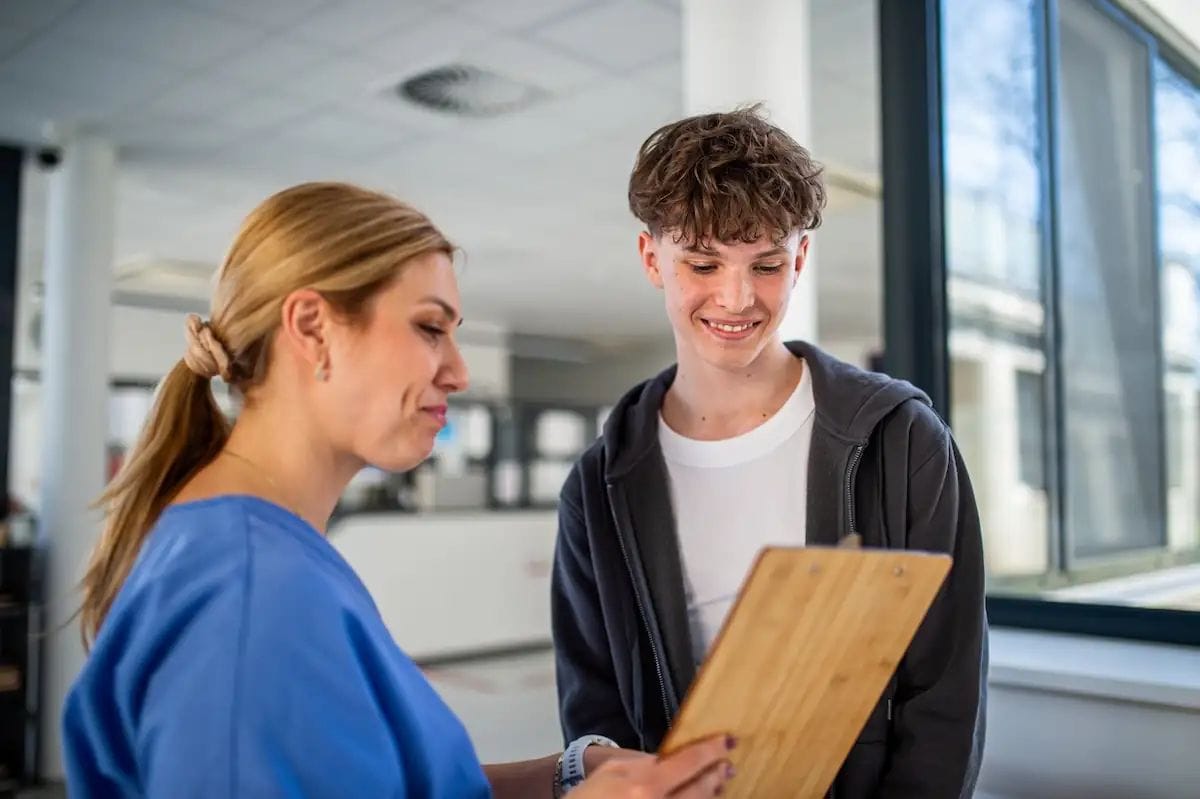
The plan will be introduced progressively and will give priority to schools with more pupils who have medical needs. The idea is for the school nurse to be more than simply a figure for emergencies, and also to provide day-to-day support for pupils, teachers and leadership teams.
The decision follows a pilot scheme in Granollers, where the presence of healthcare staff in schools has helped to deal with incidents, support students with chronic illnesses and improve coordination between school, family and the health system.
The aim of the Departament d’Educació is to extend the role to all Catalan schools during the 2027–2028 academic year. Until then, the rollout will take place in phases, with particular attention to primary and secondary schools where healthcare demand is highest.
For many families in Barcelona and the metropolitan area, the measure may reduce a daily worry. Having a nurse at the school makes it easier to manage allergies, diabetes, epilepsy, prescribed medication or other situations that have until now often depended on protocols, phone calls or urgent journeys.
The presence of healthcare staff can also help teachers. Many teachers face health situations for which they do not always have specific training, despite being the first adults available when something happens in the classroom or playground.
In addition to direct care, nurses will be able to take part in prevention campaigns, health education and healthy-habit initiatives. This opens the door to addressing topics such as nutrition, hygiene, emotional health, physical activity or first aid within the school environment itself.
The arrival of nurses in schools reflects an increasingly clear reality: educational centres are no longer only spaces for academic learning. They are also places where care is provided, problems are detected and children and adolescents are supported for many hours of the day.