
News
La Model revisits the Jornades Catalanes de la Dona 50 years later
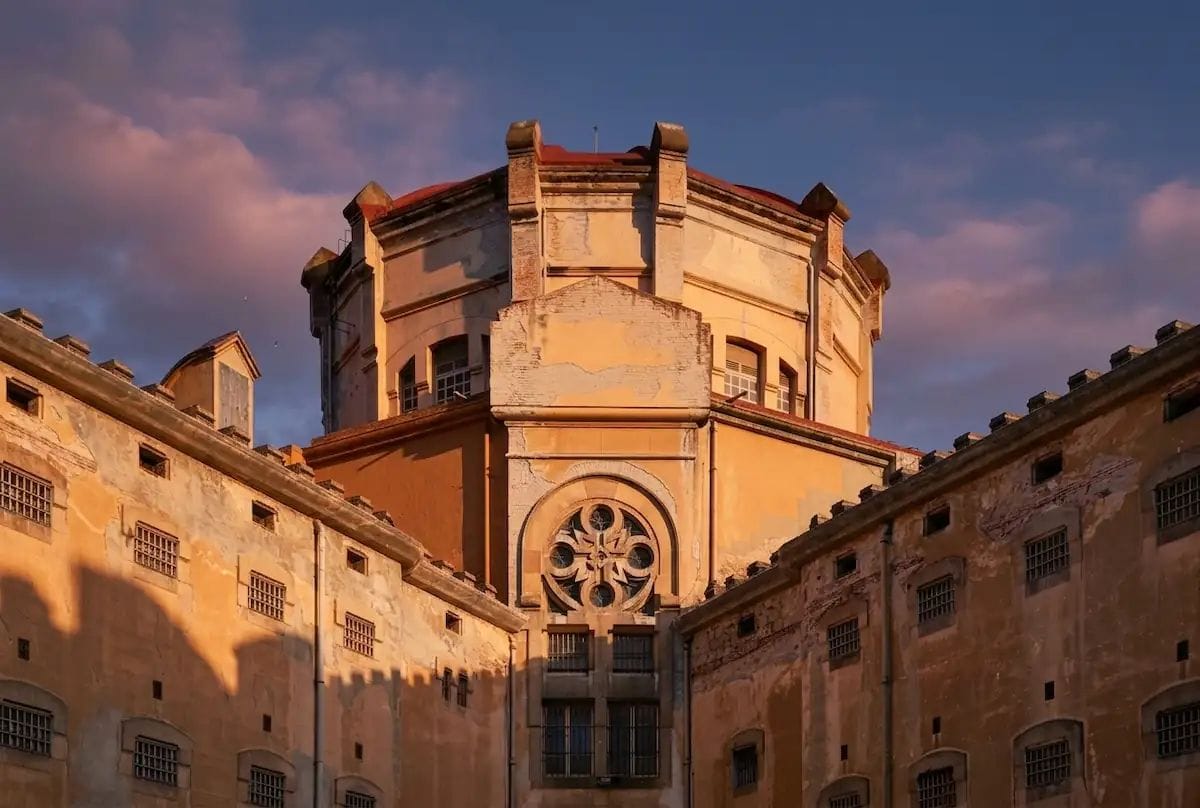
La Model looks once again at Barcelona’s recent history from a place laden with memory. The former prison hosts the exhibition Les Jornades Catalanes de la Dona, which recalls the feminist gathering held in May 1976 at the Aula Magna of the University of Barcelona and which marked a before and after in the organisation of women in Catalonia.
Those days brought together around 4,000 women in the midst of the Transition, when many demands still stemmed from decades of silence imposed by the dictatorship. Over four days, there were debates on work, education, sexuality, family, political rights, violence, equality, and freedoms. It was not just an academic or activist meeting: it marked the entry of feminism into the Catalan public debate.
The exhibition revisits that moment through photographs, documents, books, archival materials, and testimonies. The journey allows visitors to understand the sense of urgency, enthusiasm, and collective discussion that was experienced then, when women from very different backgrounds—workers, university students, trade unionists, housewives, professionals, and activists—shared space and voice.
The exhibition does not dwell on nostalgia. Its focus is on confronting those demands with the present: what has been achieved, what has become normalised, and which debates remain open half a century later. The Jornades raised issues that today seem basic, but in 1976 meant breaking with the social order inherited from Francoism.
The 50th anniversary also comes with other events, publications, and feminist gatherings that aim to recover the critical spirit of that meeting. Various institutions and collectives have promoted activities to review the legacy of the Jornades and connect their debates with the current challenges of the feminist movement.
The exhibition at La Model can be visited until 31 July, with free entry. The chosen venue adds a powerful layer of meaning: a former prison converted into a cultural facility that now hosts an exhibition about freedom, rights, and social transformation.
The history of the Jornades Catalanes de la Dona also serves as a reminder of something often forgotten in accounts of the Transition: democracy was not built only in offices, parties, or institutional agreements. It also took shape in assemblies, debates, posters, books, neighbourhoods, and gatherings where thousands of women demanded to be heard. Returning to those days from La Model is not just about looking back; it is about asking what feminist memory Barcelona preserves and what place it wants to give it in its present.