
News
La Modelo resonates with a musical tribute to its prisoners
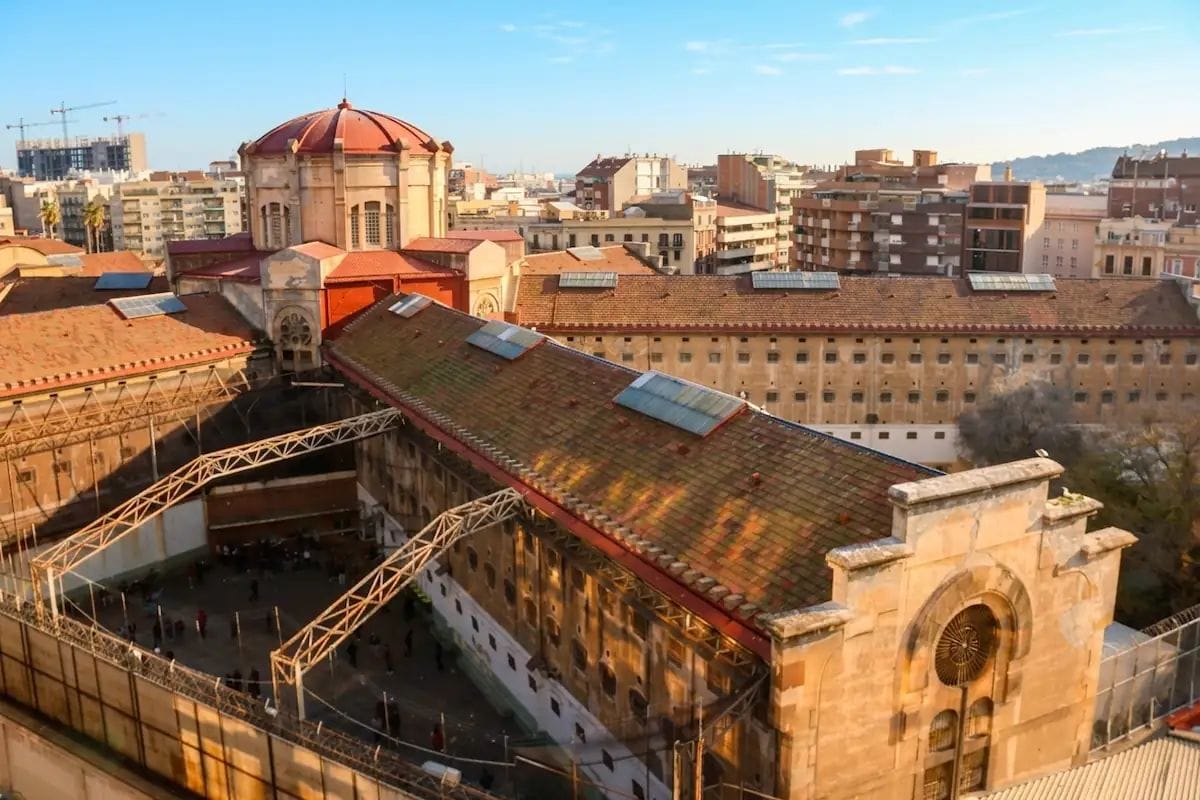
La Modelo has once again shown that some Barcelona spaces are not visited with the eyes alone. The former prison hosted a musical action from the Grec that turned galleries, cells, bars and corridors into part of a sound experience marked by memory, tension and beauty.
The violinist Asia placed the concert in a history-laden site to pay tribute to prisoners of the late Franco period. The piece looked directly to 1973, when Pere Portabella and Carles Santos were detained in La Modelo and Santos came to perform Bach on an out-of-tune piano inside that environment of confinement.
That gesture serves as the starting point for a proposal that does not seek to reproduce the past, but to make it resonate differently. Asia takes the memory of that imperfect Bach and carries it towards a contemporary, physical and experimental language, in which the sound seems to emerge as much from the musicians as from the building itself.
The audience, positioned in the panopticon, witnessed a gradual transformation of the space. A percussionist moved through the galleries, striking doors, bars and walls, creating a dry, irregular rhythm that recalled that La Modelo is not a neutral stage, but a place marked by lives, surveillance and confinement.
In one of the galleries, eight tuba players wearing red bowler hats and Asia herself, dressed in white and red, formed an image of great visual power. The dialogue between the violin and the tubas filled the prison with low and high sounds and vibrations that filtered through the open cells.
The architecture functioned almost like another instrument. The corridors extended the notes, the doors returned metallic blows and the cells altered the perception of sound. The experience compelled listeners to hear the building from within, as if its walls still held echoes awaiting release.
The piece, divided into seven movements and lasting close to an hour, combined tribute, performance and a sensory journey. Leaflets falling from above and bodies lying on the floor to better catch the resonances reinforced the idea of a work conceived to occupy the entire space.
The night leaves a powerful image of La Modelo’s new cultural life. Where there was once confinement, there is now active memory; where Bach once sounded in precarious conditions, music now resonates that does not seek to soften the past, but to face it directly and remind Barcelona that its buildings also have a voice.