
News
Mostra de Films de Dones opens an edition marked by feminist memory and queer cinema
Barcelona looks again at cinema from an uncomfortable, political and necessary place. The 34th Mostra Internacional de Films de Dones began on 21 May with a programme that does not merely screen films: it proposes revisiting half a century of feminism, tracing inheritances and asking how those struggles still appear on screen today.
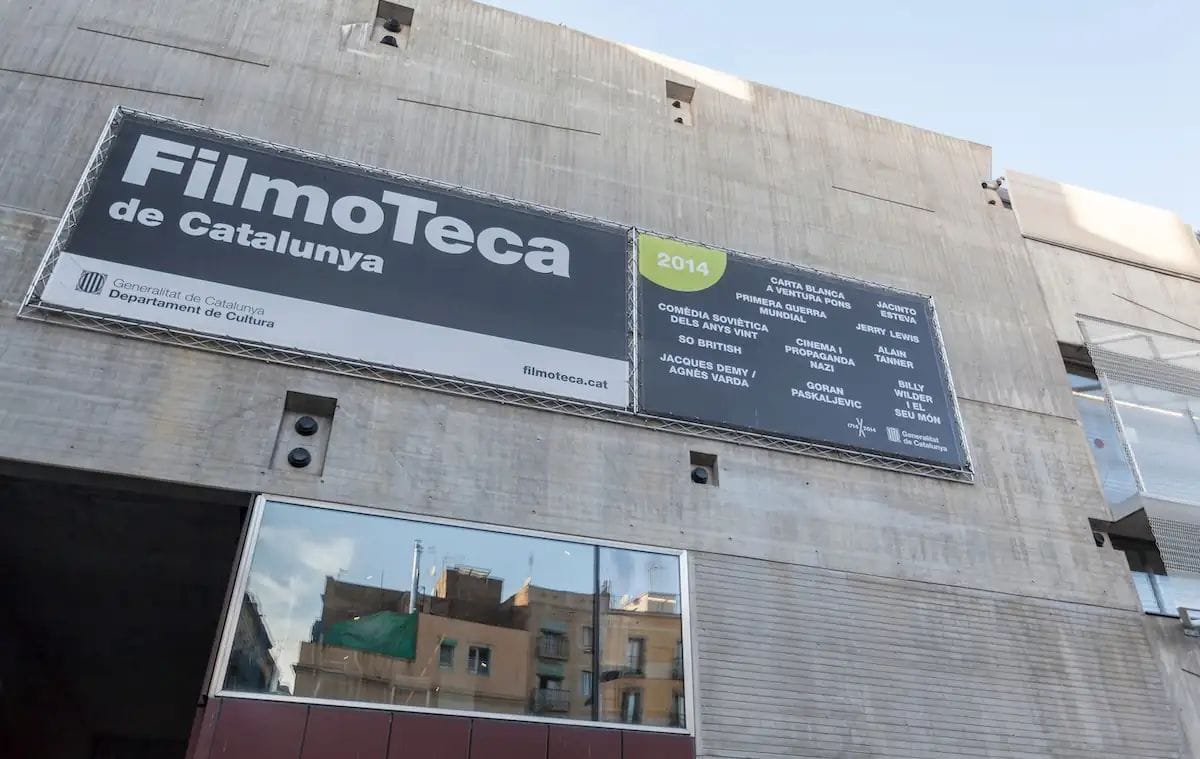
The first part of the festival will run until 1 July and will be spread across several venues in the city. Filmoteca de Catalunya will host three central sections—Persistències fílmiques, the Barbara Hammer retrospective and family screenings—while Santa Mònica, Zumzeig Cinecooperativa, Biblioteca del Cinema, Universitat Pompeu Fabra and several squares in Barcelona complete the map.
The underlying thread is clear: what remains of the political, social and cinematic traditions born in the heat of 1970s feminisms. The edition looks especially at the Primeres Jornades Catalanes de la Dona of 1976, not as a closed anniversary, but as a starting point for reading current conflicts: the body, intimacy, domestic work, institutional violence or identities that dominant cinema left out.
One of the main focuses will be Barbara Hammer. The Mostra and the Filmoteca devote a retrospective to the American filmmaker, a key figure in experimental, feminist and queer cinema. Her work explored lesbian desire, memory, illness, ageing and the need to build one’s own archives when official history left no room for certain bodies.
The Persistències fílmiques cycle, from 21 to 31 May, will combine contemporary works with recovered pieces to create dialogues between periods. The idea works well in a festival like this: it is not only about discovering premieres, but about understanding which films converse with others, which images return and which questions remain unresolved.
Among the proposals, Crías by Xiana do Teixeiro stands out; it will open the edition and enter the world of girls’ and adolescents’ intimate diaries. There are also films that cross documentary and fiction, science fiction, personal memory and experimental forms, a fairly natural mix in a festival that has spent years avoiding overly rigid categories.
The Mostra will also leave the traditional screening room. There will be family cinema, outdoor screenings as part of Cinema fora de lloc, special sessions and programming on Filmin. In autumn, the second volume of the festival will arrive, with sections such as Documentalistes llatinoamericanes, Conegudes i reconegudes and Manifestos Fílmics Feministes.
After more than three decades, the Mostra retains something that is not always easy for a festival: a recognisable identity without standing still. Its strength lies not only in showing cinema made by women, but in insisting that images also organise memory, desire and power. And that, in a city saturated with screens and rapid discourse, still makes considerable sense.